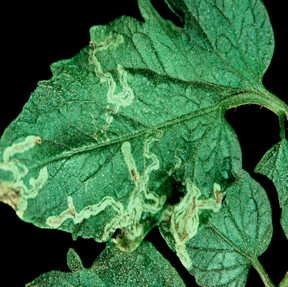
Karen Delahaut, UW-Madison, Fresh Market Vegetable Program Revised: 1/5/2005 Item number: XHT1044 Leafminers are insects that feed on the tissue between the upper and lower epidermal layers of leaves. Leafminers can be serious problem on vegetables that are harvested for their foliage (e.g., spinach or chard). Leafminers can be the larval stages of flies, moths, […]
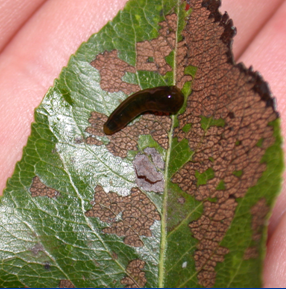
Pear slugs are not true slugs, but are larva of the pear sawfly. They damge many kinds of ornamental and fruit trees. This factsheet describes appearance, damage and control.
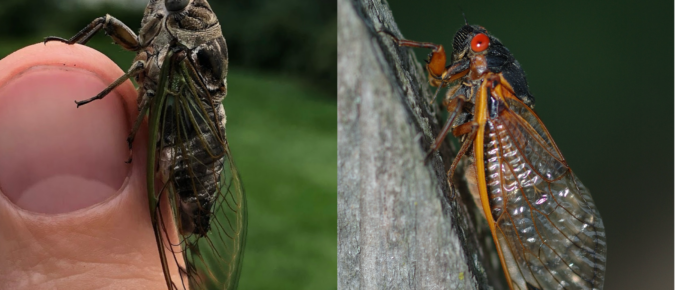
Every 17 years, Wisconsin experiences a massive emergence of periodical cicadas. These insects are generally harmless, but can be quite loud. Adult females can cause some damage to young plants through their egg-laying activities. Learn about the life cycle of cicadas and their management in this factsheet.
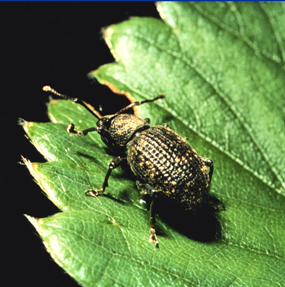
Both the adult and larva of the black vine weevil feed on over 100 species of woody and herbaceous plant roots. Learn to identify and manage black vine weevil in this factsheet.
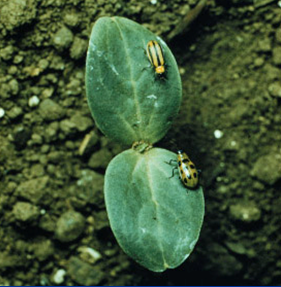
Striped and spotted cucumber beetles are common pests of vine crops that can cause damage to roots, leaves, flowers and fruits, leading to reduced yield. Learn more in this factsheet.
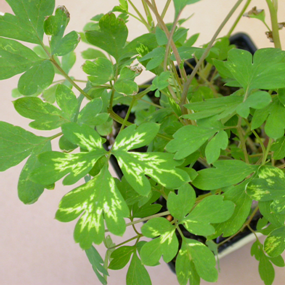
Tobacco rattle is a common and potentially serious viral disease that affects a variety of herbaceous ornamentals as well as vegetables. Learn about symptoms and management in this factsheet.
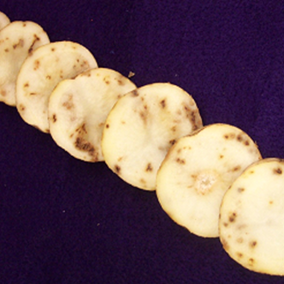
Corky ringspot (aka spraing) is a viral disease of potato that can cause severe loss due to a reduction in tuber quality. It can also affect other vegetables, herbaceous ornamentals, and weeds. Learn more in this factsheet.
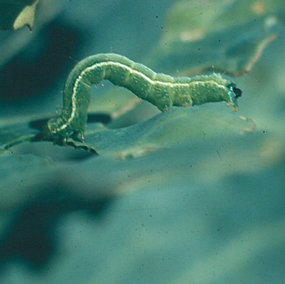
Karen Delahaut, UW-Madison Fresh Market Vegetable Program Revised: 8/19/2010 Item number: XHT1029 The cabbage looper (Trichoplusia ni) is a lepidopteran insect and an important pest of cole crops in Wisconsin. All cole crops, including cabbage, broccoli, Brussels sprouts, cauliflower, and rutabaga, are susceptible to attack by this insect. In addition, cabbage loopers will also attack […]
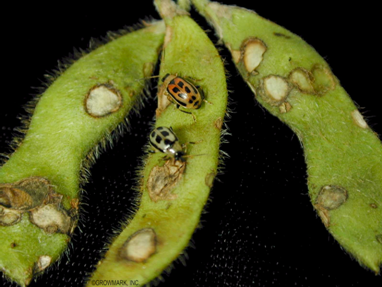
Karen Delahaut, UW-Madison Fresh Market Vegetable Program Revised: 4/26/2004 Item number: XHT1131 Bean leaf beetles (Cerotoma trifurcate) are becoming more of a problem in Wisconsin than they have been in the past. Warmer winters may allow overwintering adults to survive in record numbers. Host plants include snap and lima beans, peas, and soybeans, as well […]
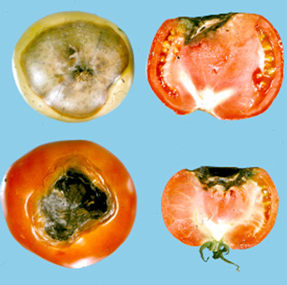
Blossom end rot is a physiological disorder of tomato where the blossom end of the fruit breaks down and rots. It can also affect peppers, eggplants and squash. Learn about control in this factsheet.
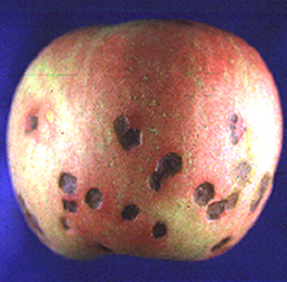
Bitter pit and cork spot are common disorders of Wisconsin apples, when weather conditions are just right. This factsheet describes what can be done to reduce the severity.
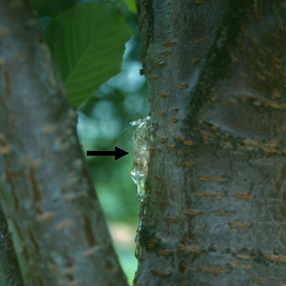
Bacterial canker is a common and sometimes lethal disease of trees in the genus Prunus including cherry, plum and peach. This factsheet describes symptoms and management of bacterial canker.