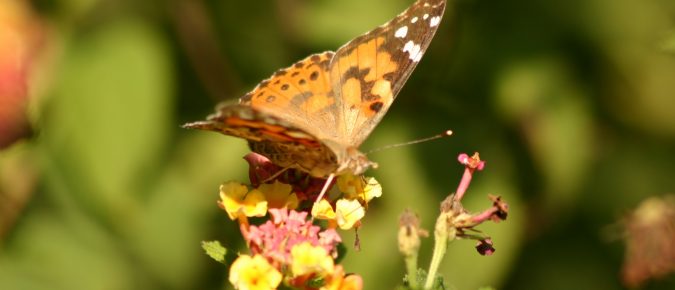
The painted lady butterfly is a common visitor in Wisconsin, especially in the fall. These colorful insects prefer open areas, including prairies, old fields, vacant lots, and gardens where they feed preferentially on the nectar from relatively tall herbaceous perennials. The spiny caterpillars feed on a large number of different plants. To learn more about this butterfly, read this article…
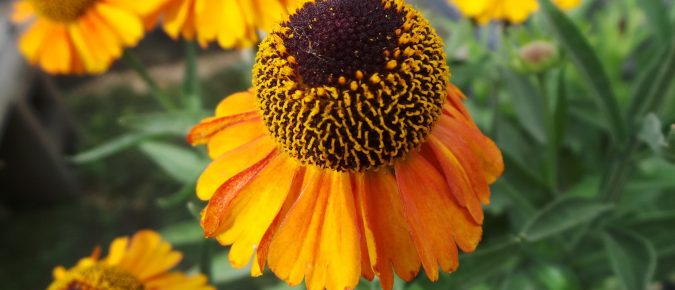
Heleniums offer a burst of late-season color, featuring daisy-type flowers with short petals in warm, fall colors and a high, architectural center. Learn more about the garden hybrids developed from these North American natives in this article.
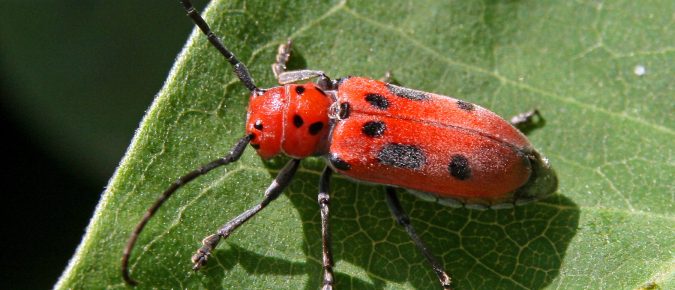
Almost everyone knows that monarch butterfly caterpillars live only on milkweeds, but did you know there are many other insects that feed exclusively on these plants? From other caterpillars to bugs and beetles, there are several types of insects that have developed ways to avoid being affected by the toxins in milkweeds and have become specialized feeders on these plants. Lean more about some of the most common insects found on milkweed in this article…
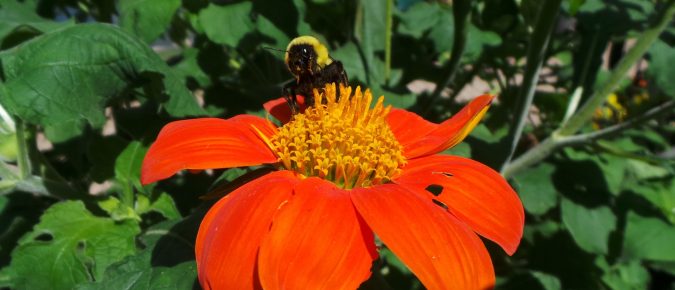
With showy red flowers popular with pollinators, tithonia or Mexican sunflower is a warm season annual that thrives in the heat of summer. The species, which grows over 6 feet tall, makes a great backdrop or seasonal screen, but there are shorter cultivars better suited to small gardens. Learn more about this low maintenance Mexican native in this article.
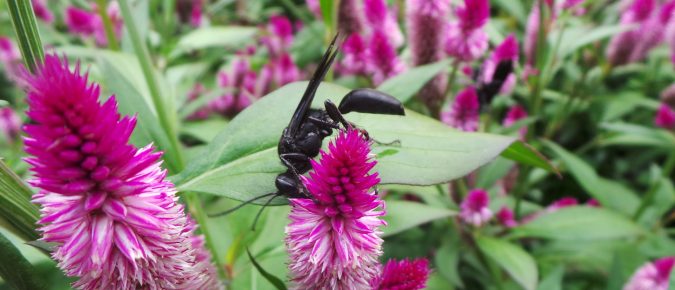
With soft, dense feathery spikes of bright pink, red or purple produced in profusion, wheat celosia adds eye-catching upright flower architecture in the ornamental garden. Learn more about this long-flowering annual plant in this article.
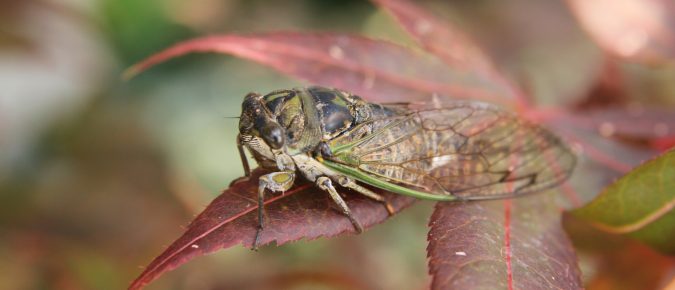
The buzzing of cicadas means it’s the height of summer. Learn more about these insects in Wisconsin, including their biology and lifecycle, in this article…
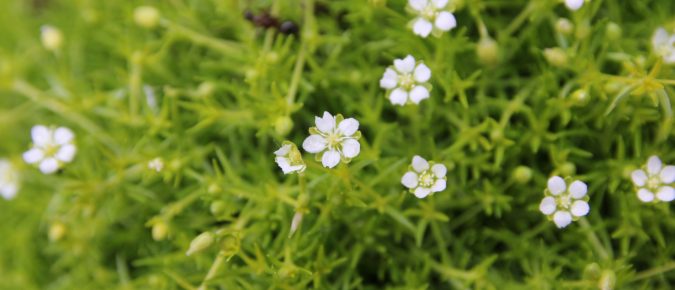
Irish or Scotch moss forms a luxurious carpet of green or gold, respectively, and make a great filler between flagstones or spilling over rocks. Not a true moss but a flowering plant, learn more about these plants in this article.
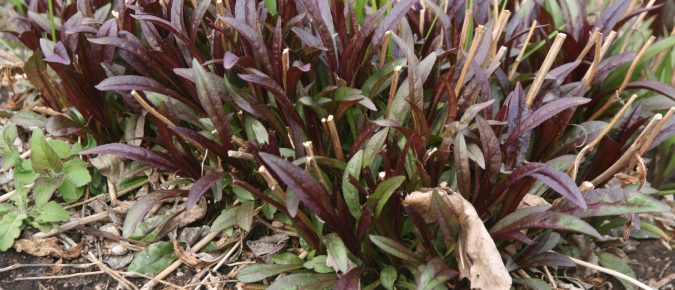
‘Husker Red’ foxglove beardtongue features showy panicles of tubular white flowers and deep maroon foliage. One of few Penstemon species to thrive in humid climates, P. digitalis is a nice addition to landscapes. Learn more about this selection of this eastern North American native in this article
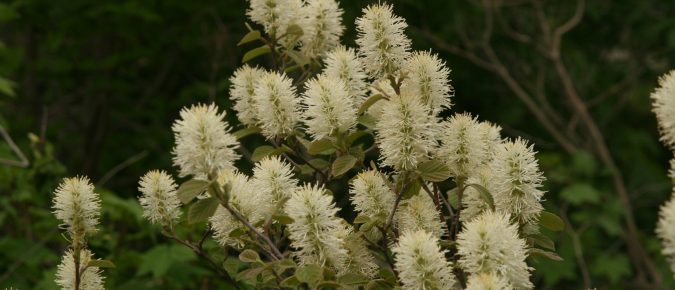
Fothergillas are multi-season beauties grown as ornamentals well outside their original range. Learn more about these easily grown members of the witch-hazel family…
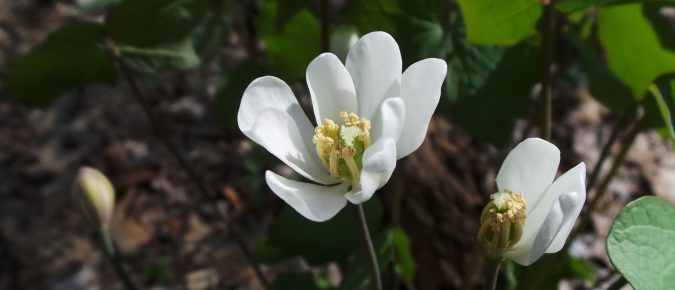
With short-lived pure white flowers and curious-looking seedpods, this early spring bloomer named after a US President makes a great addition to native plantings or as a shady groundcover. Its common name of twinleaf comes from the interesting butterfly-shaped leaves. Learn more about Jeffersonia diphylla in this article.
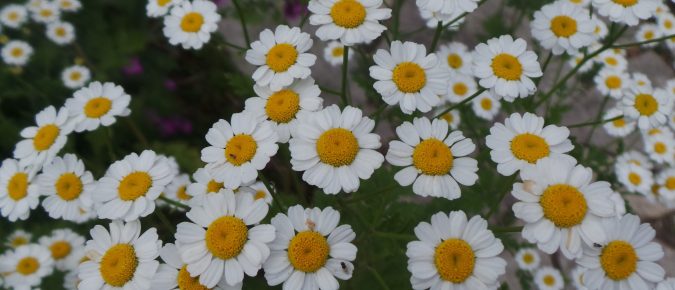
With attractive ferny foliage and eye-catching blooms, chamomile can be a nice addition to the ornamental garden or herb garden. This Eurasian annual is easily grown from seed for its yellow and white daisy flowers that are harvested to make chamomile tea. Learn more about Matricaria chamomilla in this article…
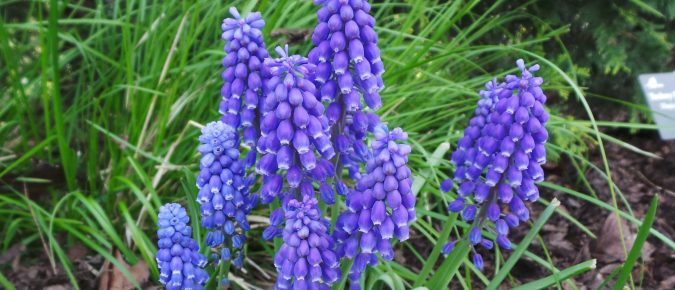
For a hit of intense blue in the garden in mid-spring, Muscari armeniacum can’t be beat. This small perennial bulb produces clusters of bell-shaped flowers that resemble bunches of grapes, giving rise to the common name grape hyacinth. Learn more about this European species in this article…