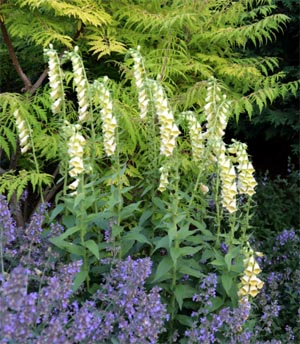
Overview of Yellow Foxglove
Yellow foxglove, Digitalis grandiflora (= D. ambigua and D. orientalis), is a short-lived, clump-forming perennial native to woodlands and stream banks from central Europe to Turkey and Siberia, hardy in zones 3a-8b. Foxgloves are in a genus of about 20 species in the family Plantaginaceae.
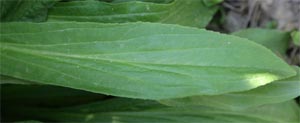
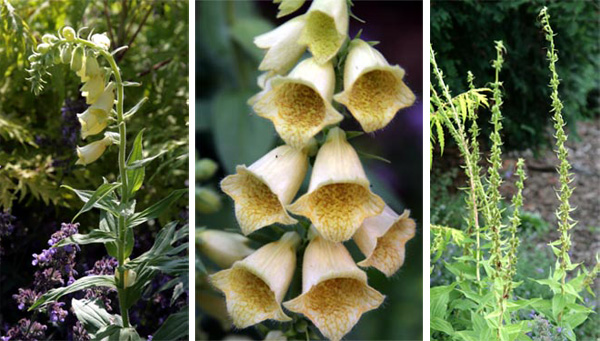
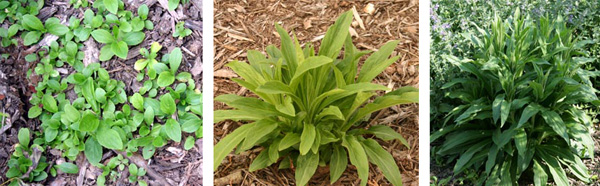
The soft, lush foliage grows 12-18 inches tall, and the flower spikes will reach 2-3 feet tall. The 5-10 inch long, deep green, lance-shaped leaves have fine teeth on the edges and prominent veins. Leaves are produced in basal rosettes. Smaller leaves are produced alternately up the flower stems.
The 1-2 inch tubular flowers are pale yellow, with brown spotting or netting inside. Each flower somewhat resembles the snipped off-finger of a glove. The pendulous flowers are born in upright terminal racemes (spikes) up to a foot long in mid- to late-summer. Flowers are produced only on one side of the leafy, 2-3 foot tall stems. It makes a good cut flower if picked when the blooms are half open.
Landscape Use of Yellow Foxglove
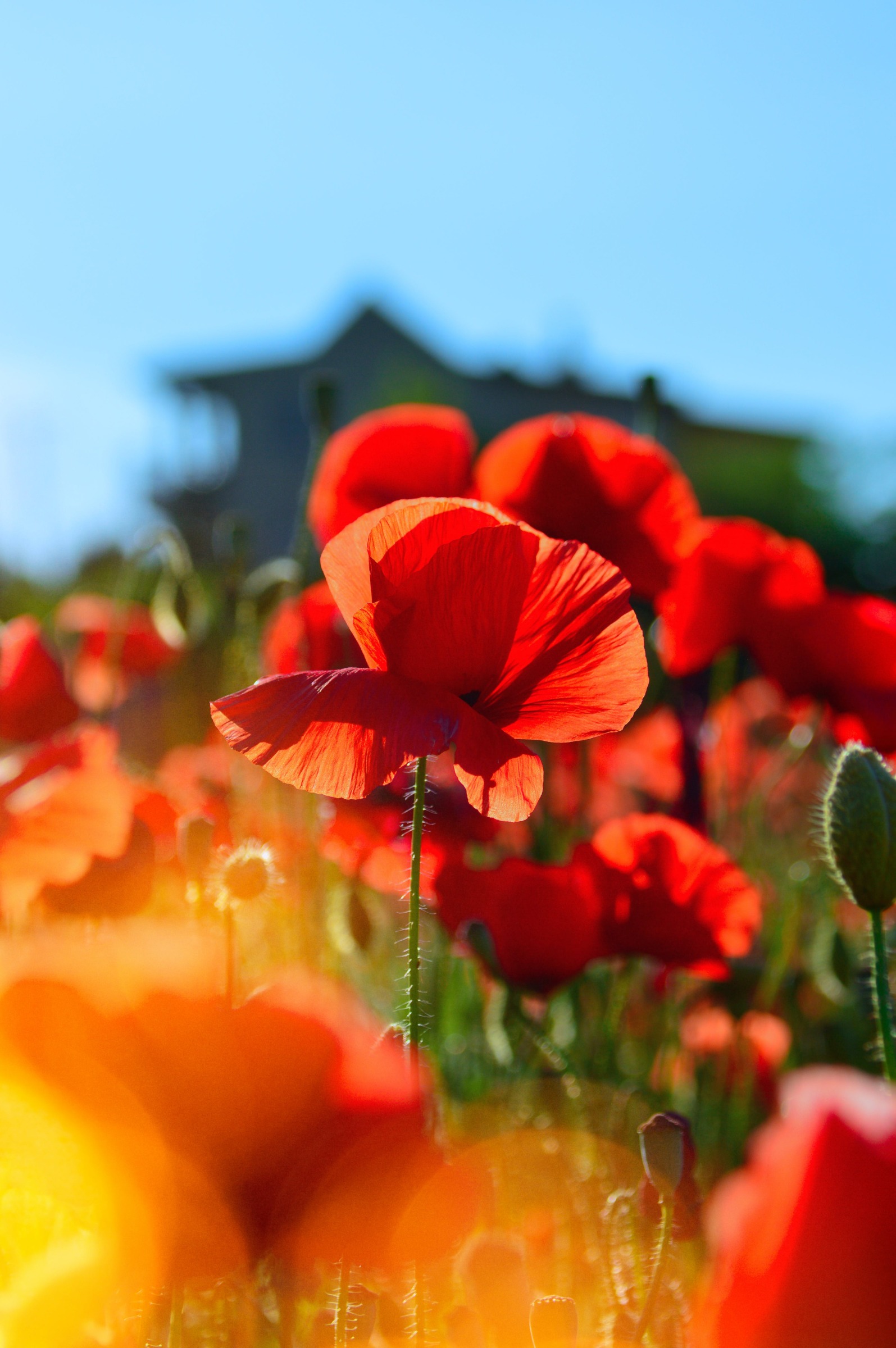
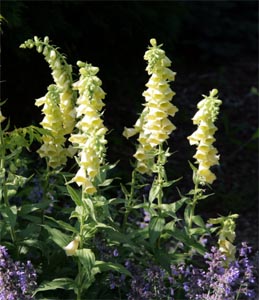
Yellow foxglove is a suitable addition to lightly shaded woodland gardens, informal borders, and cottage gardens. D. grandiflora looks right at home naturalized along the edge of a wooded area. The plants provide a dramatic vertical accent when in flower, especially when viewed against a dark background provided by shrubs or structures. The soft yellow flowers blend well with both hot and cool colors, so they fit with most color schemes. Yellow foxglove combines well with bright oriental poppies, purple- or blue-flowered perennials like catmint (Nepeta), or the chartreuse of lady’s mantle (Alchemilla mollis). In shadier spots, combine it with astilbe, hosta, or coral bells (Heuchera).
Yellow foxglove prefers moist, well-drained, fertile soil, but adapts to almost any type of soil except for very wet or very dry. Once established it is relatively drought tolerant. Plant it in full sun or partial shade. Enrich the soil with compost or other organic matter before planting. Remove the flower stalks after the flowers fade to promote reblooming and improve the appearance of the plant (but leave some if you wish them to self-sow). The foliage tends to be evergreen, so do not cut plants back in fall, other than cutting any remaining flower stems down to the base. Prune off winter-damaged leaves in spring. Foxgloves have few pests and are not favored by deer or rabbits but may develop mildew or leaf spots.
Individual plants generally only live for 4 or 5 years.
Propagating Yellow Foxglove
Yellow foxglove is easy to propagate from seed and it often self-seeds under favorable conditions (but not overly aggressively). To start seed indoors, sow at 65-70 ºF in early spring. Do not cover seeds, as light aids germination. Seeds typically begin germinating in 2-4 weeks. Transplant the seedlings into larger pots when they are large enough to handle. As with any transplants, harden off before planting. Space plants about 12 inches apart when planting in gardens or landscapes. Alternately, sow seeds in pots or flats outdoors in fall to germinate in early spring.
Yellow foxglove does not transplant easily when mature, so it’s best to move the plants while they are still small. Plants can also be divided in spring or fall, separating new sections from the crown.
Yellow Foxglove Cultivars
There are a few varieties of yellow foxglove, including hybrids with other species:
- ‘Carillon’ is a seed propagated, dwarf selection that grows only 12 to 14 inches tall and has smaller yellow flowers. It often blooms the first year after sowing. This selection is sometimes listed as ‘Temple Bells’ or ‘Carillion Temple Bells’.
- Digitalis x grandiflora ‘John Innes Tetra’ is a hybrid between D. lanata and D. grandiflora that grows 2 feet tall with rose colored flowers.
- Digitalis x grandiflora ‘Spice Island’ is a vegetative hybrid developed in the UK by crossing ‘John Innes Tetra’ and D. laevigata. It has tall, sturdy flower stems and yellow-orange flowers. Grows 3 to 4 feet tall.
All species and hybrids of digitalis are highly toxic and should never be eaten.
– Susan Mahr, University of Wisconsin – Madison
Last Update: Allen R. Pyle, UW-Madison Extension, 2026