Overview
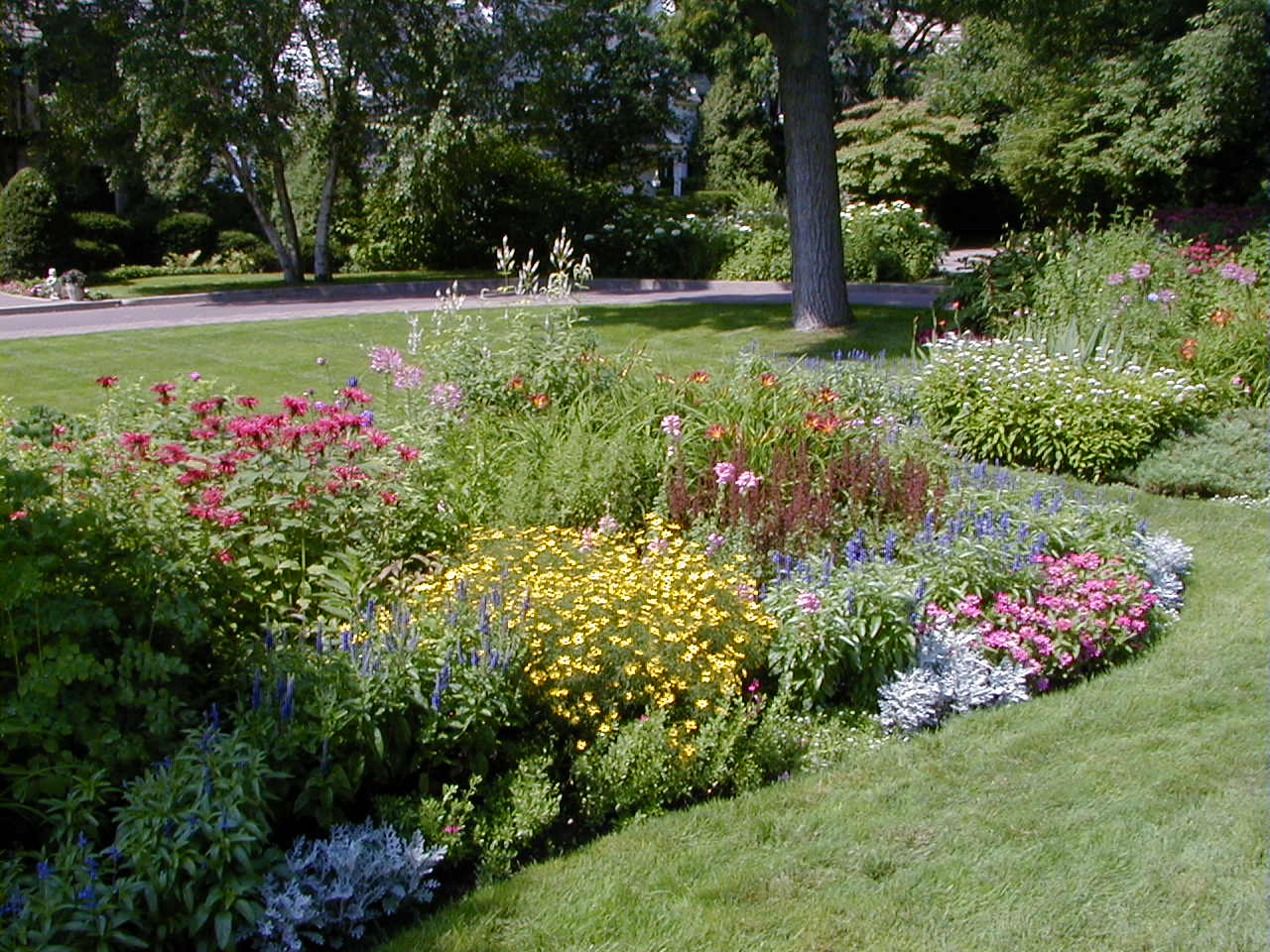
The area around your home is an important part of your living environment. An attractive and functional landscape should be an extension of your home and can add to the enjoyment of your time outdoors. Landscaping can also increase property value, invite wildlife into your yard, and conserve energy.
Successful landscaping does not just happen. It requires careful planning and some knowledge of landscape design. Consider your home’s architectural features, your neighborhood landscape’s character, the effects you want to create, and how you want to use your outdoor living space. It may take several years of planting and construction to achieve your goals, but the first step is planning and designing your end result.
Today, more people want their home landscape to meet functional and social needs. Partly as a result of the environmental movement, which fostered a greater appreciation for nature, we tend to be more interested in using a sustainable approach when designing landscapes.
This article series will guide you step-by-step through planning and designing a landscape appropriate for you and your home. It was written with only slightly landscaped homes or those with no landscaping in mind. We emphasize “conventional” landscape design, which usually includes flowers, shrubs, trees, lawn areas, and structures arranged in various patterns.
Authors: Dan Wilson, Professors Emeritus, University of Wisconsin-Extension, Thomas Wilson, Professors Emeritus, University of Wisconsin-Extension, and Wayne Tlusty, Professor Emeritus, University of Wisconsin-Madison. Illustrations by Renee Graef.
Reviewed by: Christine Wen, UW-Extension Walworth County Horticulture Educator
Last revised: 5/10/2010
Item number: G1923
References and Additional Resources
Plant Selection
- A Guide to Selecting Landscape Plants for Wisconsin (A2865)
- Choosing the Right Landscape Plants: Factors to Consider (A3864)
- Container Gardening (A3382)
- Landscape Plants That Attract Birds (G1609)
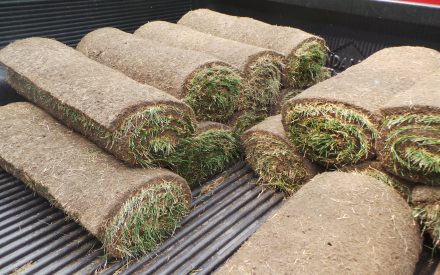
- Lawn Establishment and Renovation (A3434)
- Lilacs for Cold Climates (A3825)
- Prairie Primer (G2736)
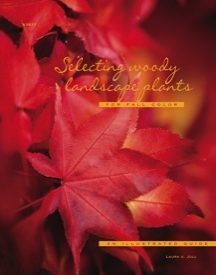
- Selecting Woody Landscape Plants for Fall Color: An Illustrated Guide (A3837)
Plant Care
- Caring for Deciduous Shrubs (A1771)
- Caring for Your Established Shade Trees (A1817)
- Do-It-Yourself Alternative Lawn Care (A3964)
- Growing Grass in Shade (A3700)
- Lawn Weed Prevention and Control (A1990)
- Mulches for Home Gardens and Plantings (A3383)
- Organic and Reduced-Risk Lawn Care (A3958)
- Organic Soil Conditioners (A2305)
- Sampling Garden Soils and Turf Areas for Testing (A2166)
- Selecting, Planting, and Caring for Your Shade Trees (A3067)
- Tree and Shrub Fertilization (A2308)
- Watering Your Lawn (A3950)
Yard Care and the Environment series
- Lawn and Garden Fertilizers (GWQ002)
- Lawn and Garden Pesticides (GWQ011)
- Lawn Watering (GWQ012)
- Lawn Weed Control (GWQ013)
- Managing Leaves and Yard Trimmings (GWQ022)
- Rethinking Yard Care (GWQ009)
- Shoreline Plants and Landscaping (GWQ014)
Other Publications
- Landscaping for Wildlife, available from the Minnesota Department of Natural Resources.
- Livable Landscape Design (141IB-211), available from Cornell University.