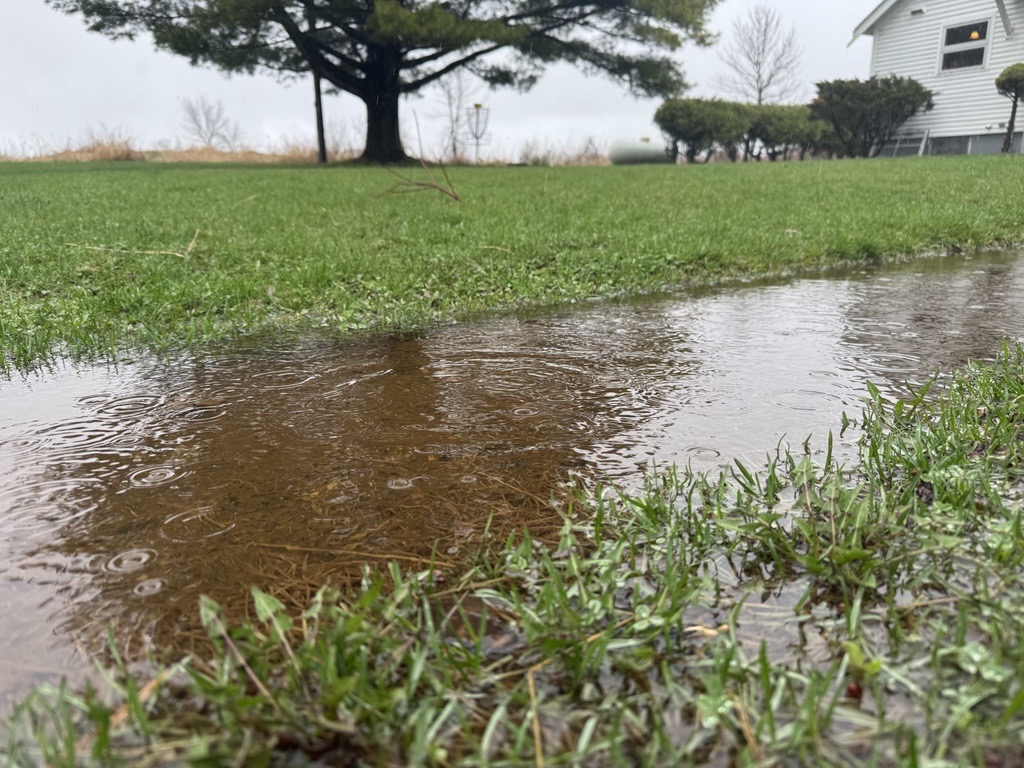
The question often asked following a flood is, “How long will my plants survive with their roots under water?” The answer depends on a variety of factors including time of year, how long the roots remain submerged, soil type, plant species, and age and health of the plant.
Some plants can recover from flooding injury in as little as one growing season; others may never recover. Plants that survive a flood should be given special care to help them recover.
Will my plants survive?
The likelihood of woody landscape plants surviving a flood depends on a variety of factors:
Time of year. Dormant plants are more tolerant of flooding than are actively growing plants.
How long roots remainsubmerged. Most plants can tolerate a few days of flooding during the growing season. Some can survive a week or more of standing water (some species can survive months of standing water).
Sensitivity of the species toexcess water. For sensitive tree and shrub species (listed in table 1), anything more than a few days can start to cause severe injury and death.
Soil type. Sandy soils drain much faster than predominantly clay-based soils, which hold water and remain wet for longer periods.
Age and health of plant. Established, healthy trees and shrubs will be more tolerant of flooding than very old, stressed, or young plants of the same species.
Symptoms of flood stress
Besides the obvious damage to submerged branches and foliage, few plants can tolerate having their roots submerged for long periods of time. (Refer to tables 1 and 2 for plants likely to be injured by flooding and those that can tolerate wet soils.)
Symptoms of plants experiencing flooding stress include yellowing or browning of leaves, leaves curling and pointing downward, leaf wilt and drop, reduced size of new leaves, early fall color, branch dieback, formation of sprouts along stems or trunk, and, in extreme cases, gradual plant decline and death.
Roots need oxygen for growth and respiration, so the longer they’re submerged, the more difficult it is for the roots—and plant—to survive. Trees that have suffered a substantial amount of root injury are prone to “windthrow” (being uprooted in heavy wind) and should be monitored closely or removed. Trees that begin to lean severely should be removed as soon as possible.
Stressed trees are more susceptible to secondary organisms such as canker fungi and insects that bore into phloem and wood.
Why do plants die in water-soaked soils?
Roots need oxygen for growth and respiration. Flooding reduces the amount of oxygen in the soil, impeding root respiration. As a result, carbon dioxide, methane, hydrogen and nitrogen gas levels around the roots increase sharply. The roots then suffocate and die. Toxic compounds, such as ethanol and hydrogen sulfide, can build up in saturated soils. As root function becomes impaired, photosynthesis in the leaves is inhibited and growth slows or even stops.
Excessively wet soils also favor soil-borne root and crown rot organisms including Fusarium spp., Phytophthora spp., Pythium spp., and Rhizoctonia solani. These organisms affect many species and prefer wet soil conditions.
Even when standing water is not present, poorly drained soils can reduce plant growth and long-term survival in the landscape due to low oxygen levels in the soil.
Caring for flood-stressed plants
Immediate plant care needs
Once floodwaters have receded, inspect the soil around your plants. Flooding may have deposited significant amounts of new soil and rocks over plant roots—or it may have eroded soil, leaving roots exposed. If more than 3 inches of debris has been deposited, remove it to allow oxygen movement from the atmosphere to tree and shrub roots. Conversely, carefully cover any exposed roots with soil back to the original depth to prevent drying or damage.
Long-term plant care strategy
Plant health care is an important component to improve plant vigor and further reduce plant decline.
Remove any dead, damaged, or diseased branches.
Water plants thoroughly (1 inch per week) during extended droughts.
Aerate the soil around the tree’s roots using vertical or radial mulching (should be performed by a professional arborist to protect roots).
Properly mulch trees. Spread 2–4 inches of shredded bark (not wood chips) in a donut shape around the base of your plants, keeping mulch away from the trunk and off any low-growing branches.
Do not fertilize trees and shrubs for at least a year following a flood due to root injury. Nutrient uptake is an energy-requiring process that will further stress the plant, especially during times of flooding (and drought).
Modifying the landscape
If water routinely stands in an area following heavy rains, you may wish to consider improving drainage and aeration, and replanting the area with plants that are able to tolerate wet conditions.
Before making any changes, evaluate the drainage situation. Is your area permanently wet, somewhat wet, or wet for only a few days at a time? For areas that are permanently wet, you may be best off planting species that are tolerant of wet soils.
Bottomland plants that naturally grow in lowland areas along riverbanks subject to fluctuating water tables are able to tolerate wet soils better than upland species that grow at higher elevations. Also, different plants tolerate different degrees of wetness. Woody species that can tolerate wet soils are listed in table 2.
In areas prone to staying wet for only a few days at a time, you can improve soil porosity before planting by adding loose organic material, such as composted leaves, pine bark, and peat moss.
Other options for improving drainage include planting on raised beds or berms, and installing swales, waterways, and drain tiles to divert excess water away from trees and shrubs.
Plants likely to be injured by flooding
Table 1
Common name(s)
Botanical name
Norway maple
Acer platanoides
Sugar maple
Acer saccharum
Buckeyes, horsechestnuts
Aesculus spp.
Paper birch, canoe birch
Betula papyrifera
Whitespire Senior gray birch
Betula populifolia ‘Whitespire Senior’
Hickories
Carya spp.
Eastern redbud
Cercis canadensis
American yellowwood
Cladrastis kentukea
Cotoneasters
Cotoneaster spp.
Washington hawthorn
Crataegus phaenopyrum
Daphnes
Daphne spp.
Euonymus
Euonymus spp.
Beeches
Fagus spp.
Black walnut
Juglans nigra
Junipers
Juniperus spp.
Tuliptree, tulip-poplar
Liriodendron tulipifera
Magnolias
Magnolia spp.
Crabapple
Malus spp.
Siberian cypress, Russian-arborvitae
Microbiota decussata
White mulberry
Morus alba
American hophornbeam, ironwood
Ostrya virginiana
Norway spruce
Picea abies
Serbian spruce
Picea omorika
Colorado spruce
Picea pungens
Pines
Pinus spp.
Cherries, plums, peaches, apricots
Prunus spp.
White oak
Quercus alba
Chinkapin oak
Quercus muehlenbergii
English oak
Quercus robur
Northern red oak
Quercus rubra
Rhododendrons
Rhododendron spp.
Black locust
Robinia pseudoacacia
Mountain ashes
Sorbus spp.
Japanese spirea
Spiraea japonica
Lilacs
Syringa spp.
Yews
Taxus spp.
Lindens
Tilia spp.
Canadian hemlock, Eastern hemlock
Tsuga canadensis
Weigelas
Weigela spp.
Yuccas
Yucca spp.
Woody landscape plants able to tolerate wet conditions
Table 2
* = Able to tolerate extended periods(longer than a week) with roots submerged.
Trees – Deciduous
Common Name(s)
Botanical Name
Hardiness Zone
Notes
* Freeman Maple
* Acer x freemanii
3b
Native hybrid
Boxelder
Acer negundo
2b
Native, reseeds and sprouts readily
* Red Maple
* Acer rubrum
3b/4a
Native, acid soils only
* Silver Maple
* Acer saccharinum
3a
Native, reseeds and sprouts readily
* European Black Alder
* Alnus glutinosa
4a
This species is restricted in Wisconsin. Only named cultivars are acceptable to plant.
Native, pest prone, plant only Dutch elm disease–resistant cultivars
Trees – Evergreen
Common Name(s)
Botanical Name
Hardiness Zone
Notes
Balsam Fir
Abies balsamea
3a
Native, acid soils only
* Atlantic White-Cedar
* Chamaecyparis thyoides
4b
Shrub forms available
* Black Spruce
* Picea mariana
3a
Native in bogs, hard to grow, shrub forms available, acid soils
Arborvitae, Eastern Or Northern White-Cedar
Thuja occidentalis
3a
Native, periodic flooding only
Common Name(s)
Botanical Name
Hardiness Zone
Notes
Balsam Fir
Abies balsamea
Zone: 3a
Native, acid soils only
* Atlantic White-Cedar
* Chamaecyparis thyoides
Zone: 4b
Shrub forms available
* Black Spruce
* Picea mariana
Zone: 3a
Native in bogs, hard to grow, shrub forms available, acid soils
Arborvitae, Eastern Or Northern White-Cedar
Thuja occidentalis
Zone: 3a
Native, periodic flooding only
Shrubs – Deciduous
Common Name(s)
Botanical Name
Hardiness Zone
Notes
* Speckled Alder, Swamp Alder
* Alnus incana subsp. rugosa
3b
Native
Red Chokeberry
Aronia arbutifolia
4b
Acid soils only
Black Chokeberry
Aronia melanocarpa
4b
Native
Purple Chokeberry
Aronia x prunifolia
4a
* Bog Birch, Swamp Birch
* Betula pumila
3
Native
* Buttonbush
* Cephalanthus occidentalis
4b
Native
Summersweet Clethra
Clethra alnifolia
4b
Acid soils only
* Tatarian Dogwood
* Cornus alba
3a
* Silky Dogwood
* Cornus amomum
4
Native
Gray Dogwood
Cornus racemosa
3b
Native
* Bloodtwig Dogwood
* Cornus sanguinea
4a
* Red-Twig Dogwood, Red-Osier Dogwood
* Cornus stolonifera
3a
Native
Leatherwood
Dirca palustris
4a
Native
Vernal Witchhazel
Hamamelis vernalis
4b
Acid soils only
* Winterberry, Michigan Holly
* Ilex verticillata
3b
Native, acid soils only
Virginia Sweetspire
Itea virginica
5b
Acid soils only
Spicebush
Lindera benzoin
5b
Acid soils only
* Swamp Fly Honeysuckle
* Lonicera oblongifolia
4
Native
Northern Bayberry
Morella (formerly Myrica) pensylvanica
4a
Periodic flooding only, acid soils only
Sweet Azalea, Smooth Azalea
Rhododendron arborescens
5b
Acid soils only, periodic flooding only
Pinkshell Azalea
Rhododendron vaseyi
5b
Acid soils only, periodic flooding only
Swamp Azalea
Rhododendron viscosum
5a
Acid soils only
Meadow Rose
Rosa blanda
3b
Native, periodic flooding only
Carolina Rose, Pasture Rose
Rosa carolina
3b
Native, periodic flooding only
Swamp Rose
* Rosa palustris
4a
Native
Coral Bark Willow
* Salix alba ‘Britzensis’
2b
Prune to keep it a shrub
Goat Willow
* Salix caprea
4a
Japanese Pussy Willow
* Salix chaenomeloides
5b
Common Pussy Willow
* Salix discolor
3a
Native
Rosemary Or Hoary Willow
* Salix elaeagnos
4
Black Pussy Willow
* Salix gracilistyla var. melanostachys
4b
Japanese Dappled Willow
* Salix integra ‘Hakuro Nishiki’
4b
Blue Arctic Willow
* Salix purpurea ‘Gracilis’
3b
Japanese Fantail Willow
* Salix udensis ‘Sekka’
4
American Elderberry
Sambucus canadensis
3b
Native
European Elderberry
Sambucus nigra
4b
Meadowsweet
Spiraea alba
4
Native
Hardhack, Steeplebush
Spiraea tomentosa
4
Native
American Bladdernut
Staphylea trifolia
4a
Native
Highbush Blueberry
Vaccinium corymbosum
3b
Native, acid soils only, periodic flooding only
Witherod Viburnum
Viburnum cassinoides
4a
Native
Nannyberry Viburnum
Viburnum lentago
3a
Native, pest prone, periodic flooding only
American Cranberrybush Viburnum
Viburnum trilobum
3a
Native, pest prone
Common Name(s)
Botanical Name
Hardiness Zone
Notes
Speckled Alder, Swamp Alder
* Alnus incana subsp. rugosa
Zone: 3b
Native
Red Chokeberry
Aronia arbutifolia
Zone: 4b
Acid soils only
Black Chokeberry
Aronia melanocarpa
Zone: 4b
Native
Purple Chokeberry
Aronia x prunifolia
Zone: 4a
Bog Birch, Swamp Birch
* Betula pumila
Zone: 3
Native
Buttonbush
* Cephalanthus occidentalis
Zone: 4b
Native
Summersweet Clethra
Clethra alnifolia
Zone: 4b
Acid soils only
Tatarian Dogwood
* Cornus alba
Zone: 3a
Silky Dogwood
* Cornus amomum
Zone: 4
Native
Gray Dogwood
Cornus racemosa
Zone: 3b
Native
Bloodtwig Dogwood
* Cornus sanguinea
Zone: 4a
Red-Twig Dogwood, Red-Osier Dogwood
* Cornus stolonifera
Zone: 3a
Native
Leatherwood
Dirca palustris
Zone: 4a
Native
Vernal Witchhazel
Hamamelis vernalis
Zone: 4b
Acid soils only
Winterberry, Michigan Holly
* Ilex verticillata
Zone: 3b
Native, acid soils only
Virginia Sweetspire
Itea virginica
Zone: 5b
Acid soils only
Spicebush
Lindera benzoin
Zone: 5b
Acid soils only
Swamp Fly Honeysuckle
* Lonicera oblongifolia
Zone: 4
Native
Northern Bayberry
Morella (formerly Myrica) pensylvanica
Zone: 4a
Periodic flooding only, acid soils only
Sweet Azalea, Smooth Azalea
Rhododendron arborescens
Zone: 5b
Acid soils only, periodic flooding only
Pinkshell Azalea
Rhododendron vaseyi
Zone: 5b
Acid soils only, periodic flooding only
Swamp Azalea
Rhododendron viscosum
Zone: 5a
Acid soils only
Meadow Rose
Rosa blanda
Zone: 3b
Native, periodic flooding only
Carolina Rose, Pasture Rose
Rosa carolina
Zone: 3b
Native, periodic flooding only
Swamp Rose
* Rosa palustris
Zone: 4a
Native
Coral Bark Willow
* Salix alba ‘Britzensis’
Zone: 2b
Prune to keep it a shrub
Goat Willow
* Salix caprea
Zone: 4a
Japanese Pussy Willow
* Salix chaenomeloides
Zone: 5b
Common Pussy Willow
* Salix discolor
Zone: 3a
Native
Rosemary Or Hoary Willow
* Salix elaeagnos
Zone: 4
Black Pussy Willow
* Salix gracilistyla var. melanostachys
Zone: 4b
Japanese Dappled Willow
* Salix integra ‘Hakuro Nishiki’
Zone: 4b
Blue Arctic Willow
* Salix purpurea ‘Gracilis’
Zone: 3b
Japanese Fantail Willow
* Salix udensis ‘Sekka’
Zone: 4
American Elderberry
Sambucus canadensis
Zone: 3b
Native
European Elderberry
Sambucus nigra
Zone: 4b
Meadowsweet
Spiraea alba
Zone: 4
Native
Hardhack, Steeplebush
Spiraea tomentosa
Zone: 4
Native
American Bladdernut
Staphylea trifolia
Zone: 4a
Native
Highbush Blueberry
Vaccinium corymbosum
Zone: 3b
Native, acid soils only, periodic flooding only
Witherod Viburnum
Viburnum cassinoides
Zone: 4a
Native
Nannyberry Viburnum
Viburnum lentago
Zone: 3a
Native, pest prone, periodic flooding only
American Cranberrybush Viburnum
Viburnum trilobum
Zone: 3a
Native, pest prone
Shrubs – Evergreen
Common Name(s)
Botanical Name
Hardiness Zone
Notes
Bog Rosemary
Andromeda polifolia
3
Native in bogs, hard to grow, acid soils
Leatherleaf
Chamaedaphne calyculata
3
Native in bogs, hard to grow, acid soils
Bog Kalmia
Kalmia polifolia
2b
Native in bogs, hard to grow, acid soils
Labrador Tea
Ledum groenlandicum
2b
Native in bogs, hard to grow, acid soils
American Cranberry
* Vaccinium macrocarpon
2b
Native in bogs, hard to grow, acid soils
Common Name(s)
Botanical Name
Hardiness Zone
Notes
Bog Rosemary
Andromeda polifolia
Zone: 3
Native in bogs, hard to grow, acid soils
Leatherleaf
Chamaedaphne calyculata
Zone: 3
Native in bogs, hard to grow, acid soils
Bog Kalmia
Kalmia polifolia
Zone: 2b
Native in bogs, hard to grow, acid soils
Labrador Tea
Ledum groenlandicum
Zone: 2b
Native in bogs, hard to grow, acid soils
American Cranberry
* Vaccinium macrocarpon
Zone: 2b
Native in bogs, hard to grow, acid soils
Vines and Groundcovers
Common Name(s)
Botanical Name
Hardiness Zone
Notes
Virgin’s bower
Clematis virginiana
3b
Native vine
Riverbank grape, frost grape
Vitis riparia
4
Native vine
Yellowroot
Xanthorhiza simplicissima
3b
Groundcover
Common Name(s)
Botanical Name
Hardiness Zone
Notes
Virgin’s bower
Clematis virginiana
Zone: 3b
Native vine
Riverbank grape, frost grape
Vitis riparia
Zone: 4
Native vine
Yellowroot
Xanthorhiza simplicissima
Zone: 3b
Groundcover
Author: Laura Jull, Woody Ornamental Horticulture Extension Specialist, Associate Professor, UW-Madison Department of Plant and Agroecosystem Sciences Revised: 8/13/2012 Item number: A3871
References
Ball, J. and D.F. Graper. 1996. What to do about flood-damaged trees? South Dakota State University Extension Extra publication, Brookings, SD.
Coder, K.D. 1994. Flood damage to trees. University of Georgia Extension Publication FOR 94-61, Athens, GA.
Dirr, M.A. 1997. Dirr’s Hardy Trees and Shrubs: An Illustrated Encyclopedia. Timber Press, Portland, OR.
Iles, J. and M. Gleason. 2008. Sustainable urban landscapes: Understanding the effects of flooding on trees. Iowa State University Extension Publication SUL-1, Ames, IA.
Hudelson, B. and L.G. Jull. 2004. Root and crown rots. University of Wisconsin–Extension Garden Fact Sheet XHT 1070, Madison, WI.
Kozlowski, T.T. 1997. Responses of woody plants to flooding and salinity. Tree Physiology Monograph No. 1. Heron Publishing, Victoria, Canada.
Ranney, T.G., R.E. Bir, M.A. Powell, and T. Bilderback. 1994. Qualifiers for quagmires: Landscape plants for wet sites. N.C. State University Extension Publication HIL-8646, Raleigh, NC.