Overview
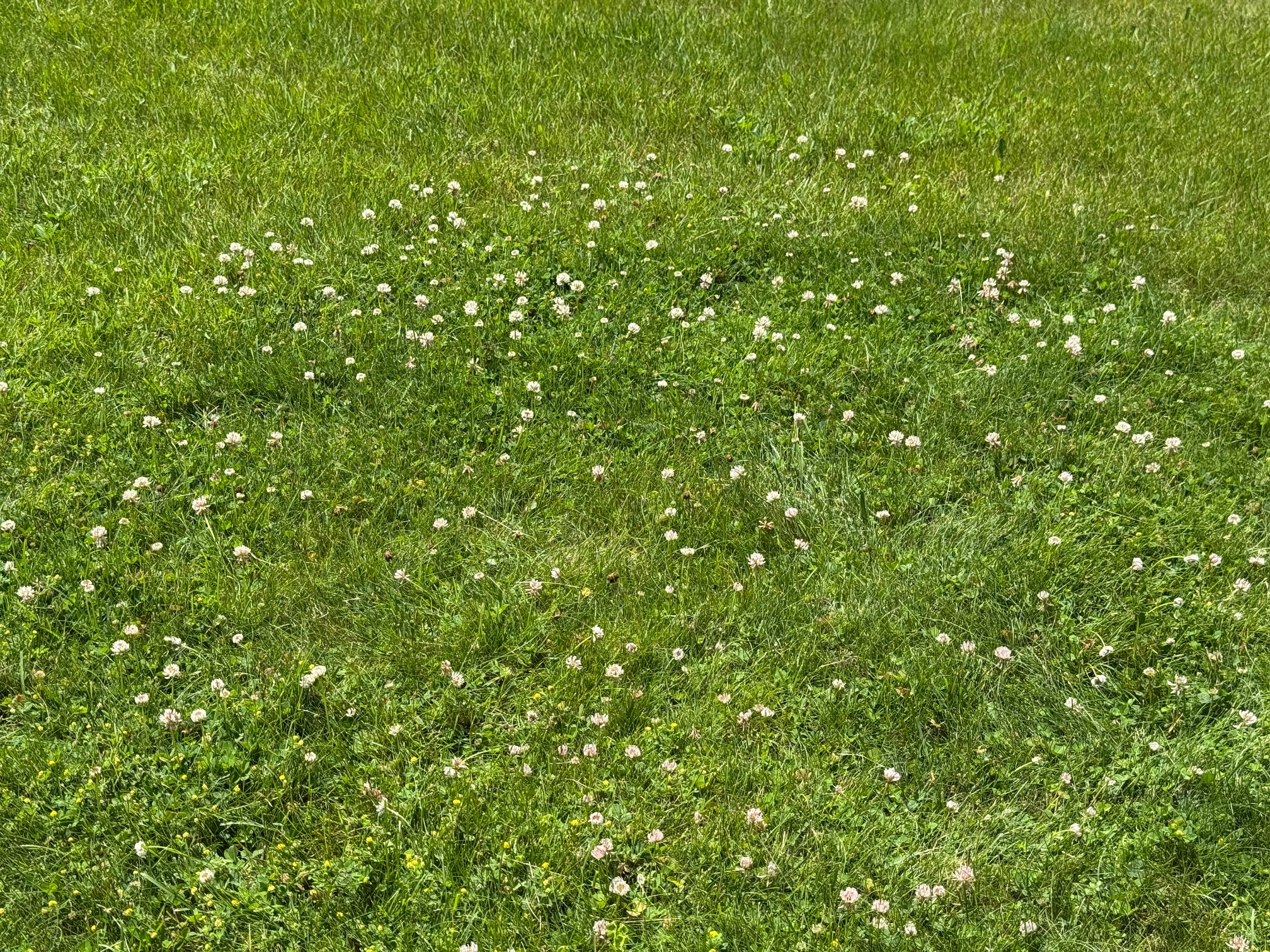
Broadleaf weeds appear as visible lawn problems because they typically have much larger (wider) leaves than surrounding lawn grasses and often have conspicuous flowers. In addition, many species will grow faster and taller than lawn grasses under stress conditions, including drought, compacted soil, or excess shade. Weeds may have annual (one season), biennial (two seasons), or perennial (more than two seasons) life cycles. Most broadleaf weeds in Wisconsin lawns have perennial life cycles, so can become chronic issues if steps are not taken to manage them.
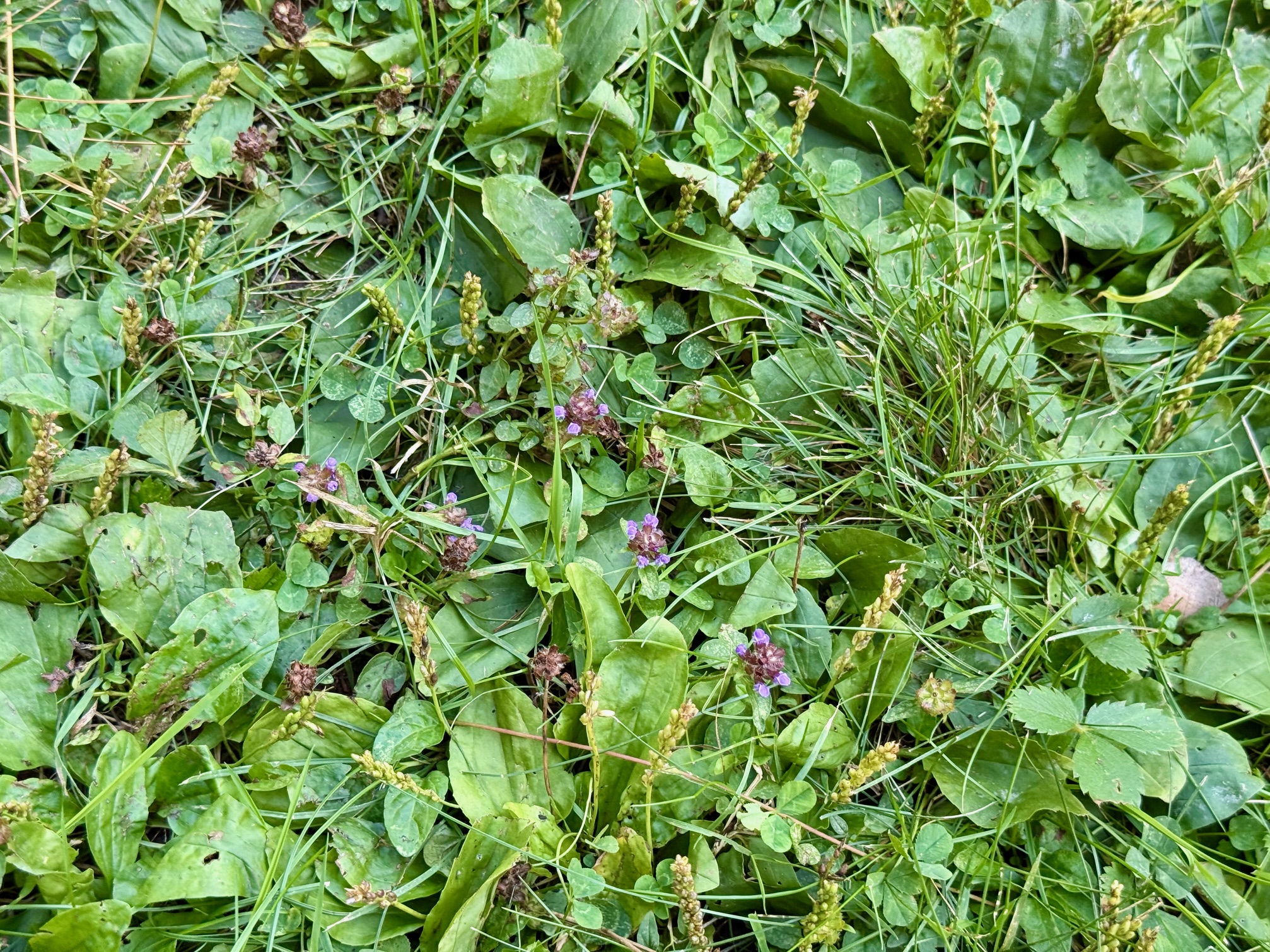
Totally eradicating weeds from lawns, especially difficult to control species, is not considered a realistic approach. Instead, establish an acceptable weed population level, sometimes referred to as the threshold, for each specific lawn area. Thresholds are set on individual preferences, thus the number of weeds considered acceptable can range from one lawn to another. In addition, oftentimes within one lawn the acceptable amount of weeds is lower in the front yard as compared to the backyard.
Management of broadleaf weeds in lawns is a multi-step process. As with all weeds, positive identification is the first step. Identify both the weed and its life cycle (annual, perennial, or biennial). Weeds are often indicators of underlying problems, so understanding specific site conditions a particular weed prefers is a valuable tool in overall management strategies. For example, ground ivy invades lawns struggling with shade and poor soil drainage, clover thrives in under-fertilized lawns, while knotweed indicates soil compaction. Assorted weeds present may indicate overall poor conditions for lawn grasses and/or lack of adequate lawn care practices to maintain a competitive turfgrass stand.
After identifying existing weeds, step two in managing broadleaf weeds should be to review lawn care practices and adjust as needed to ensure a good stand of grass. Making site conditions less favorable for weeds is a key management strategy. Sound lawn care practices should promote healthy, vigorous turf, which is better able to prevent weed invasions than unhealthy, thin turf. These practices include proper grass selection and establishment, fertilization, watering, mowing, and thatch management. Alter the environment that may be favoring weeds, such as reducing shade or improving poor soil conditions, as a long-term management plan.
The third management step is removal of existing broadleaf weeds. Mechanical removal may be viable in some scenarios but not realistic in others. Just a few scattered weeds can easily be removed by hand. There are also several broadleaf weed herbicides (weed killers) available for use on lawns. Choose the correct herbicide for the specific weed(s) present and read, understand, and follow all product label directions and precautions. Most often herbicides applied directly to existing weeds growing in lawns, called postemergence broadleaf herbicides, are used. However, there are some cases where preemergence herbicides can be effective in preventing broadleaf weed species from germinating. Preemergence herbicides are applied before weed seeds actually germinate, so are intended to control germinating weed seeds but have no effect on existing established weeds.
Finally, recognize that lawns within individual neighborhoods not only may vary in levels of acceptable populations of broadleaf weeds present. Maintaining lawns consisting of grasses intermixed with broadleaf plants can be an intended and desired practice. Broadleaf species such as white clover can fix nitrogen, thus are well-suited for minimal maintenance lawns. In addition, practices such as No Mow May and planting bee lawns allow broadleaf plants to flower among lawn grasses for the benefit of providing energy sources for pollinators. If the goal is maintaining lawns consisting of uniform stands of just grasses, consider the approach of establishing separate flower plantings for pollinators, rather than mixed in lawn areas. Lawns can then be managed with the objective of having minimal broadleaf weeds present as discussed in this article.
Common Broadleaf Weeds in Wisconsin Lawns
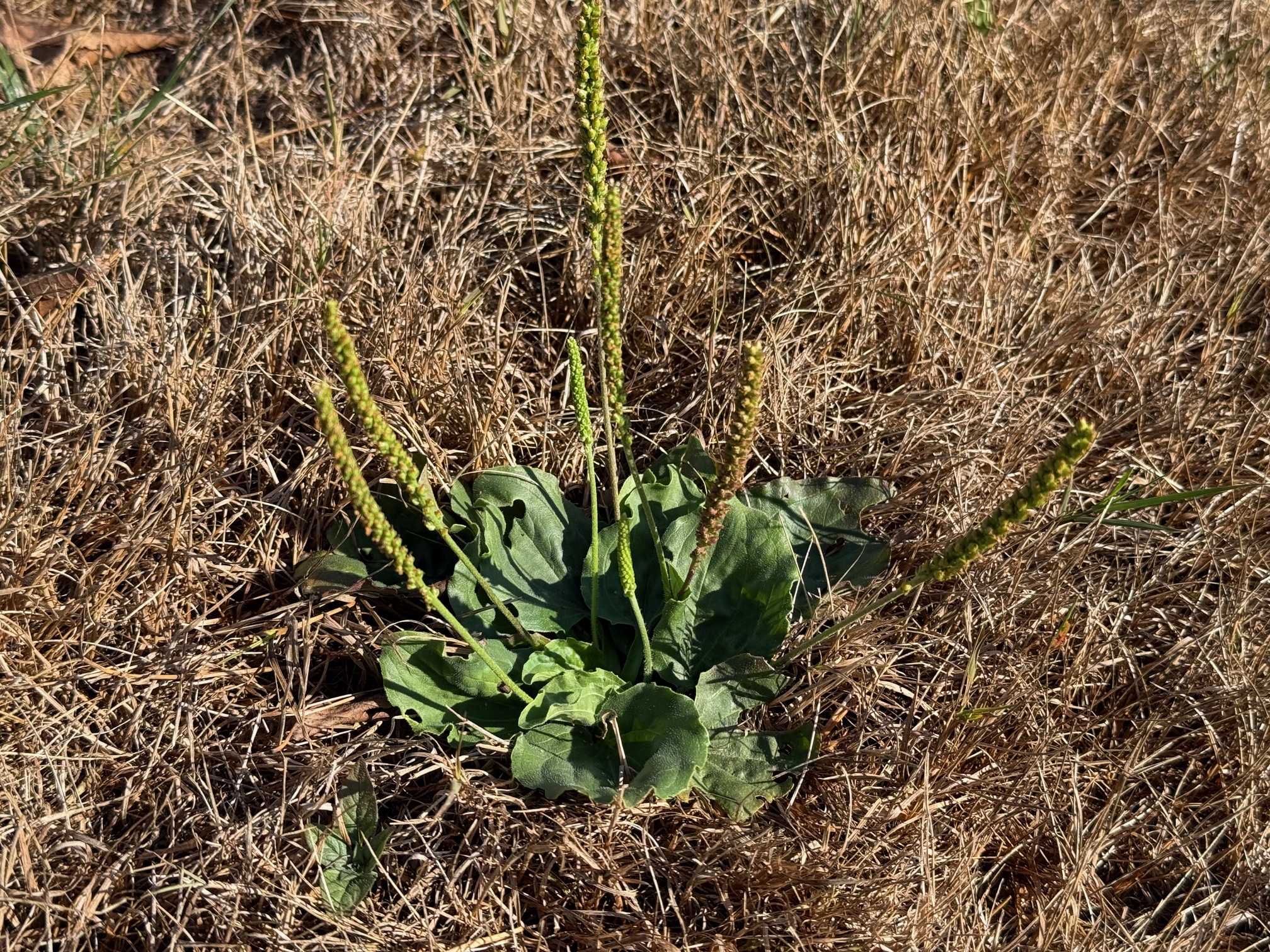
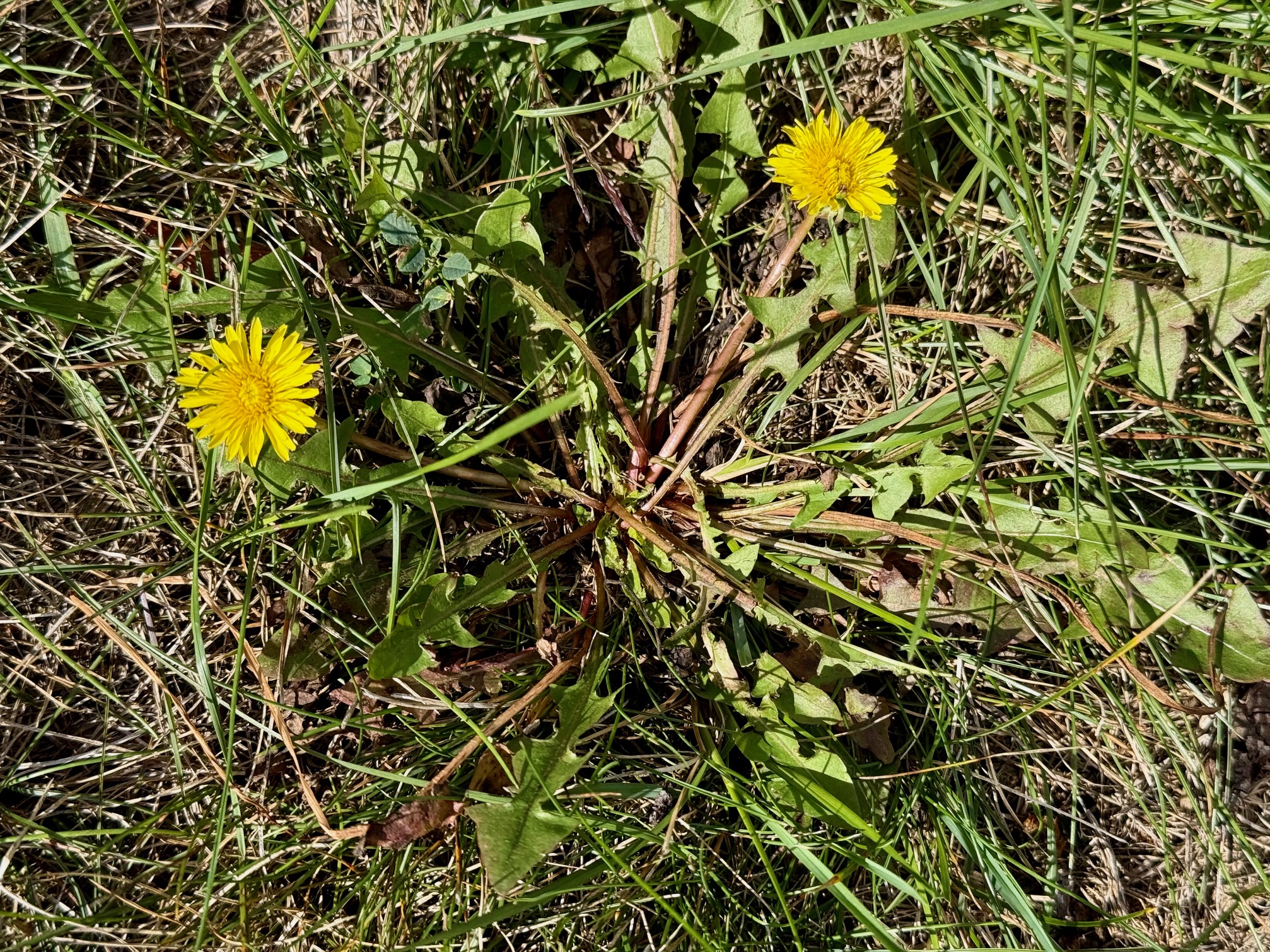
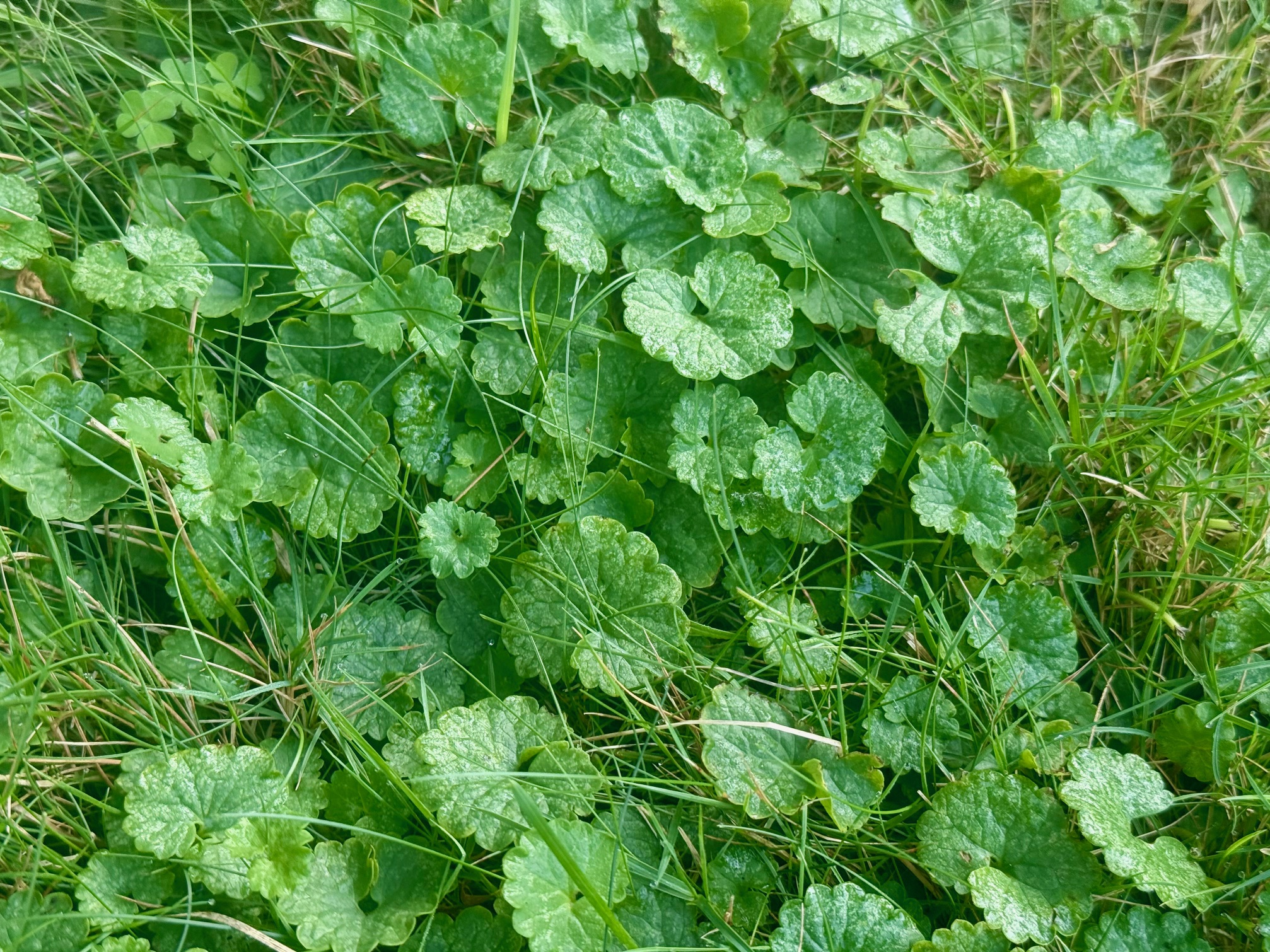
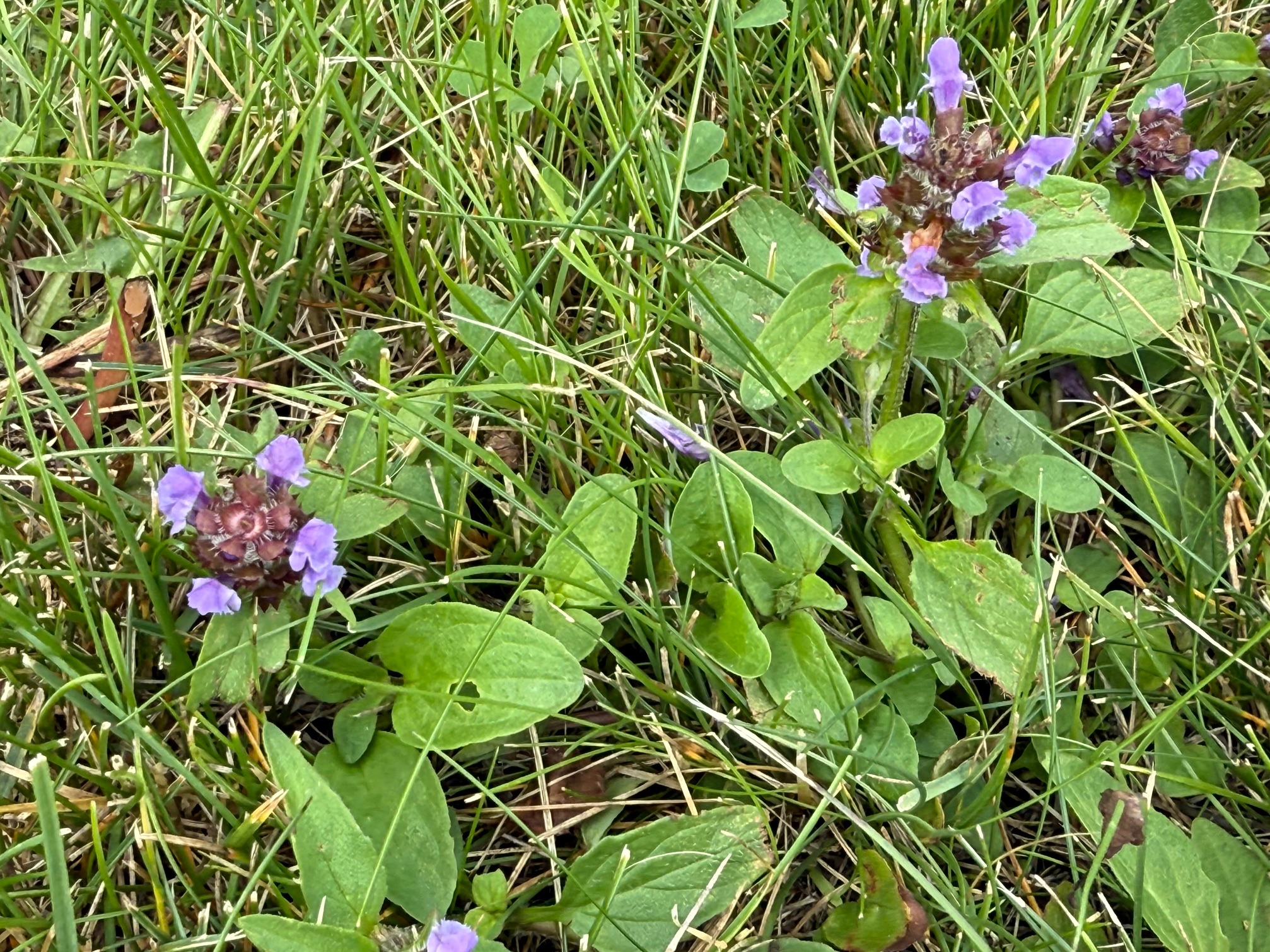
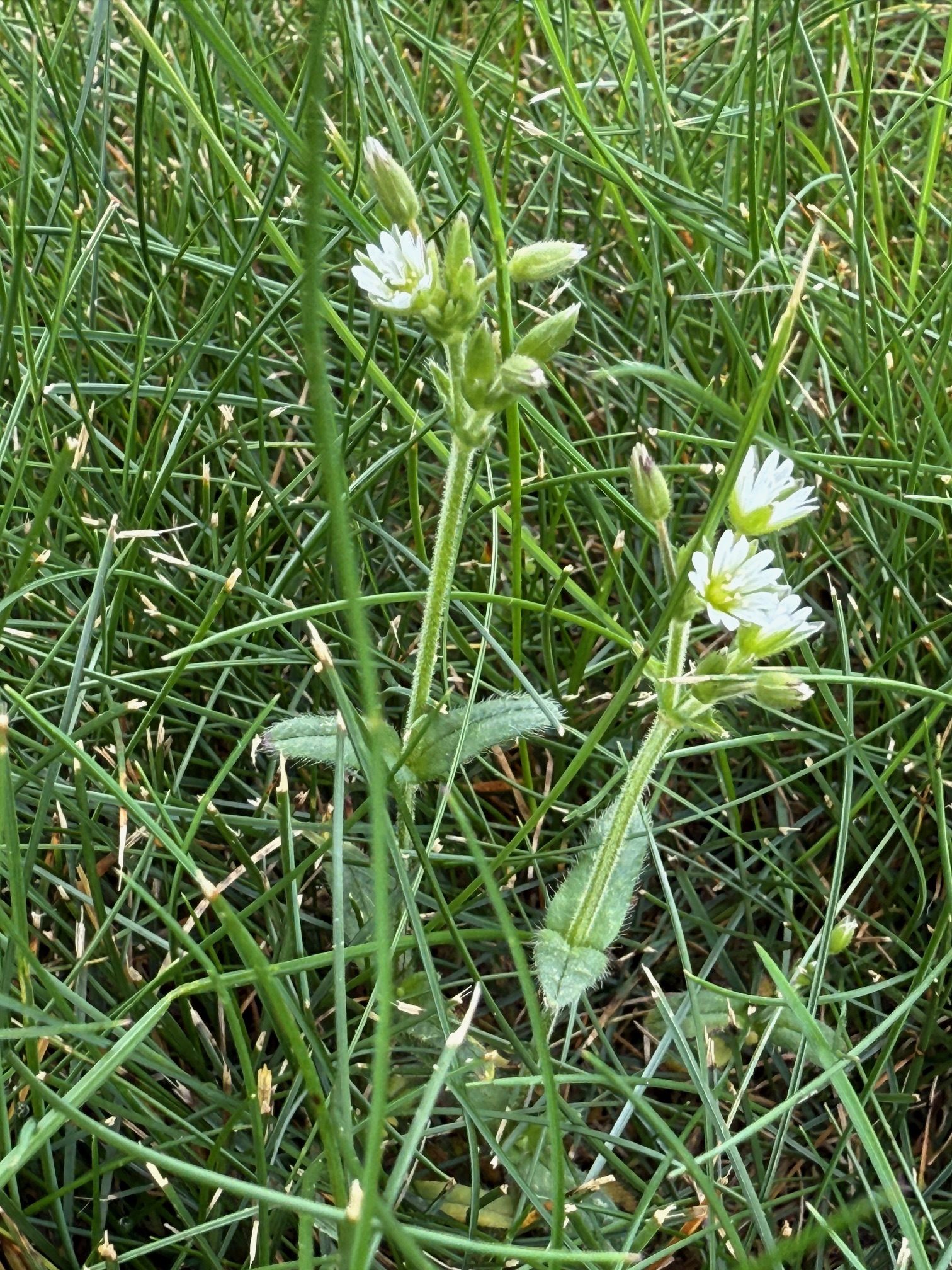
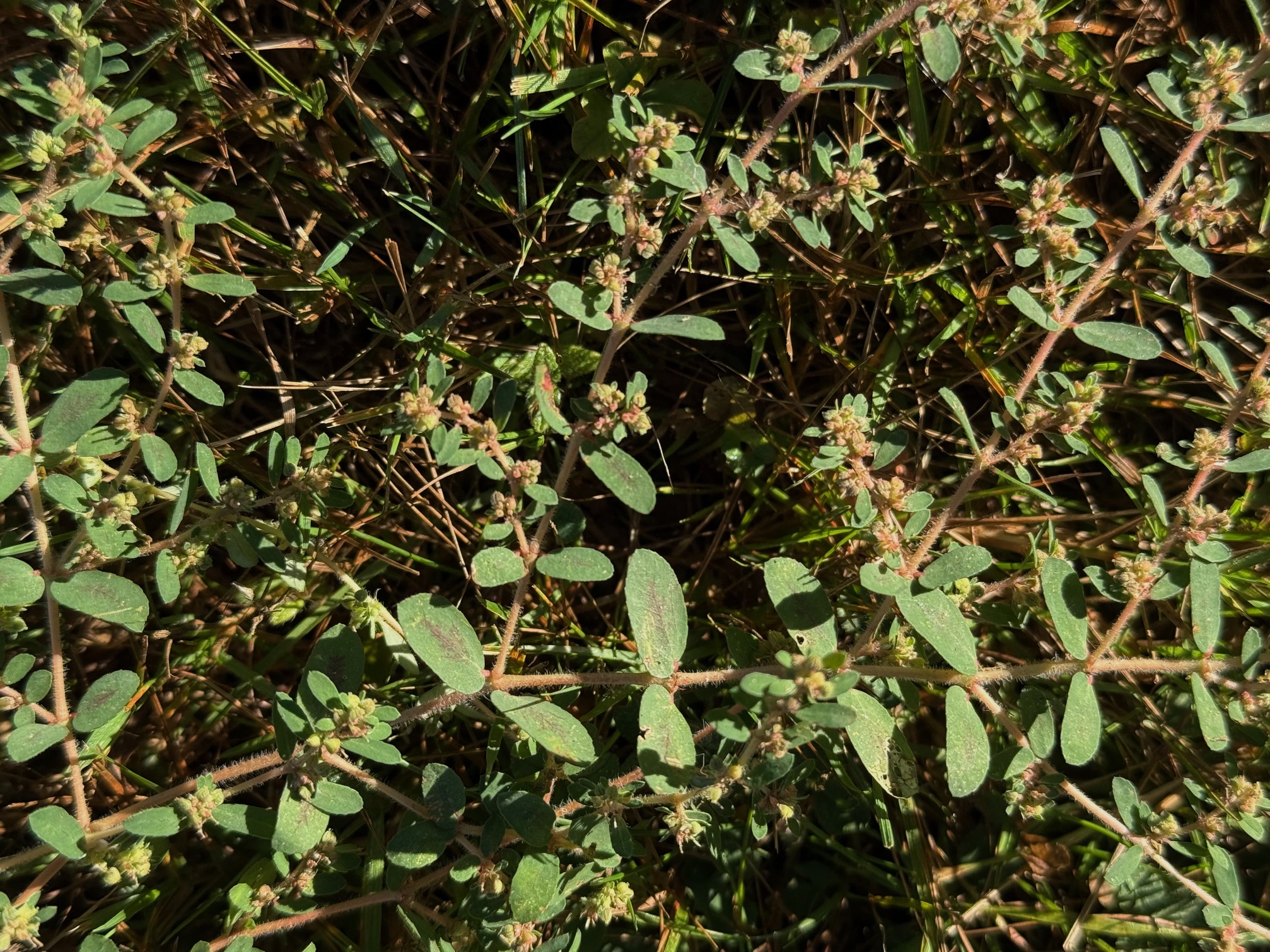
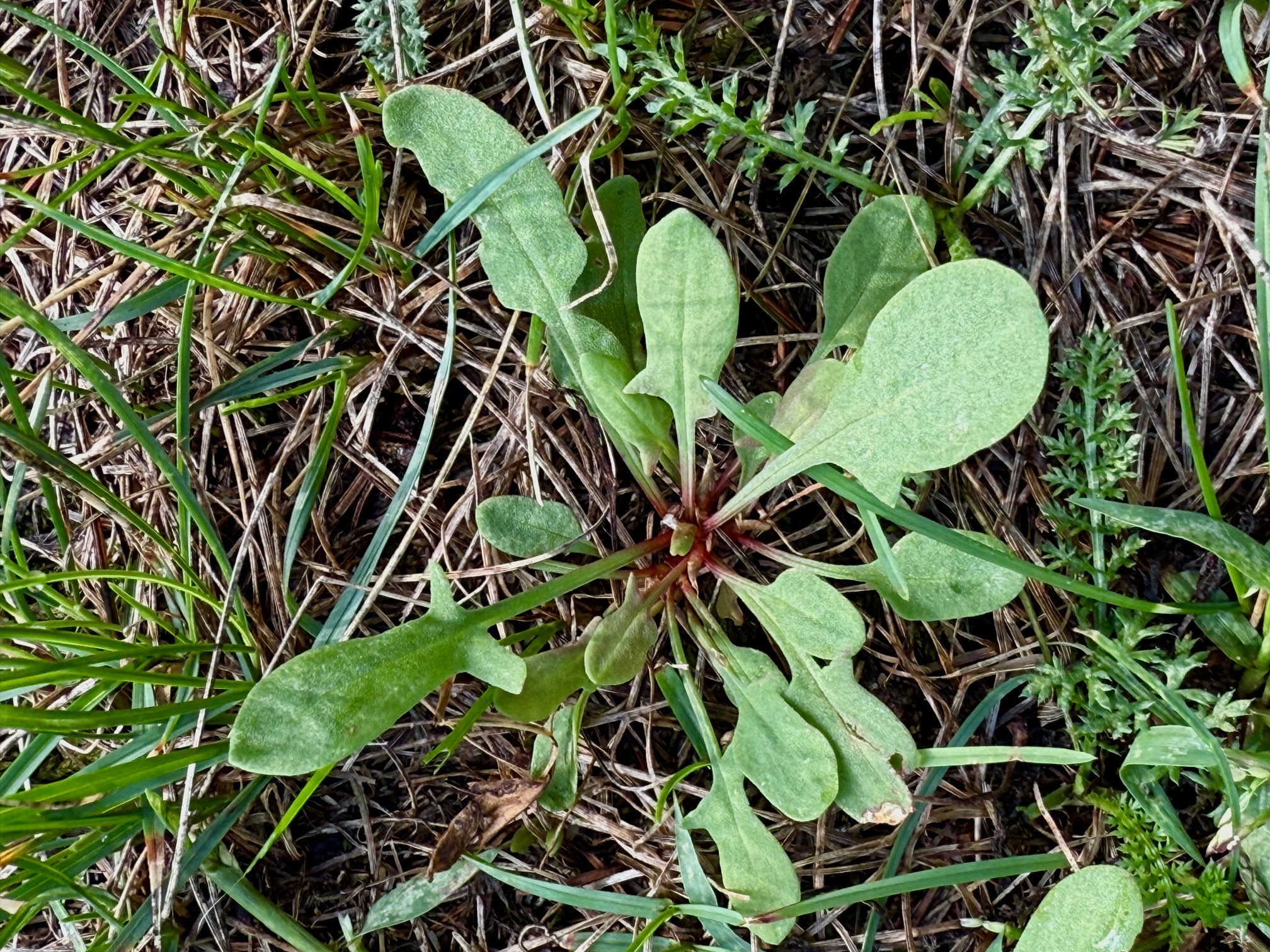
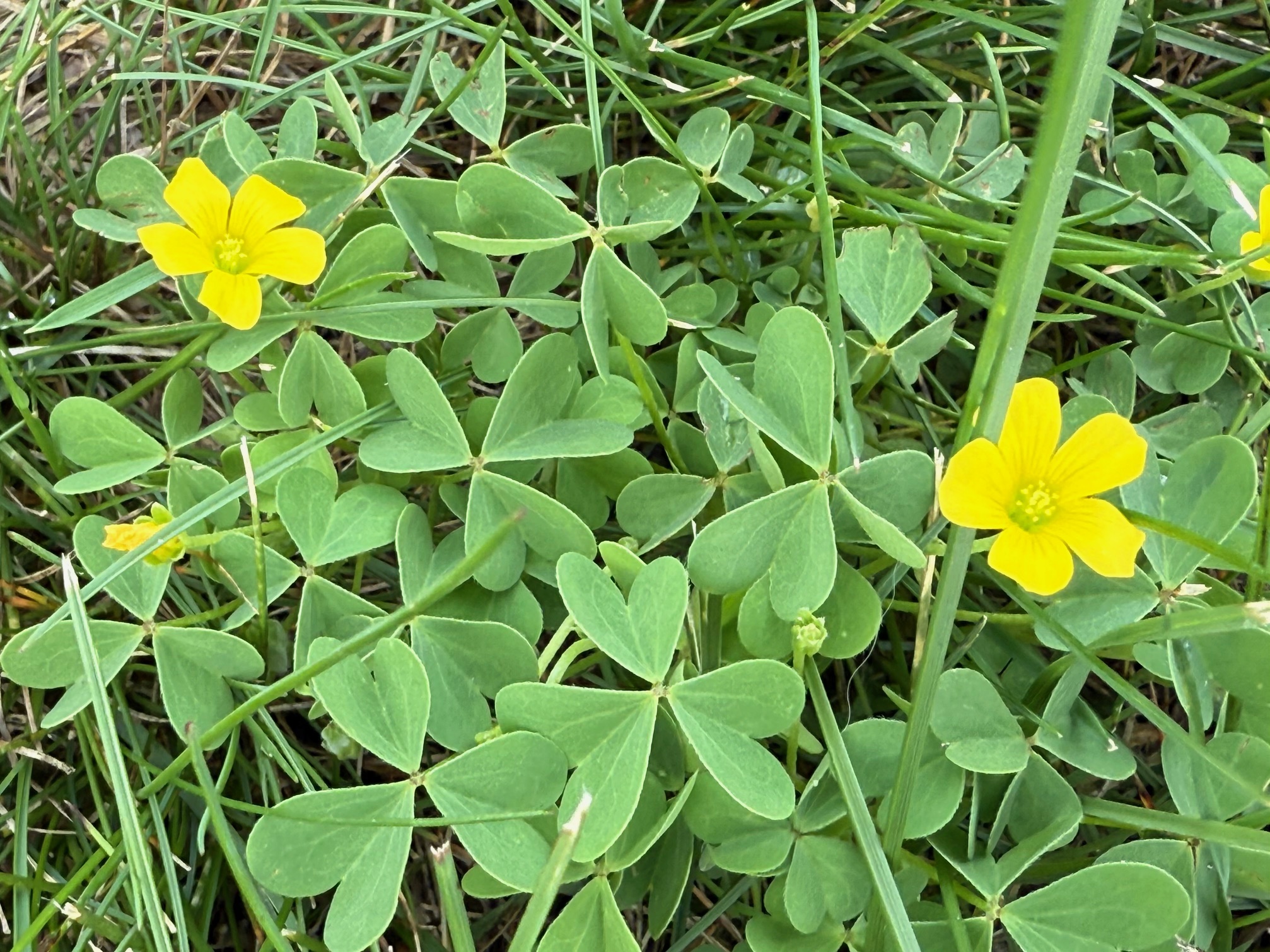
Lawn Care Practices to Prevent Broadleaf Weeds
Many weeds, including broadleaf species, often become problems in thinner lawns with grasses low in both overall vigor and competitiveness. Maintaining thick stands of grass by following sound lawn care practices is a long-term management plan to prevent broadleaf weeds from becoming chronic issues. Many of these lawn care practices are described in detail, with proper timing, in the Wisconsin Lawn Care Calendar on our website. Several specific practices are outlined below.
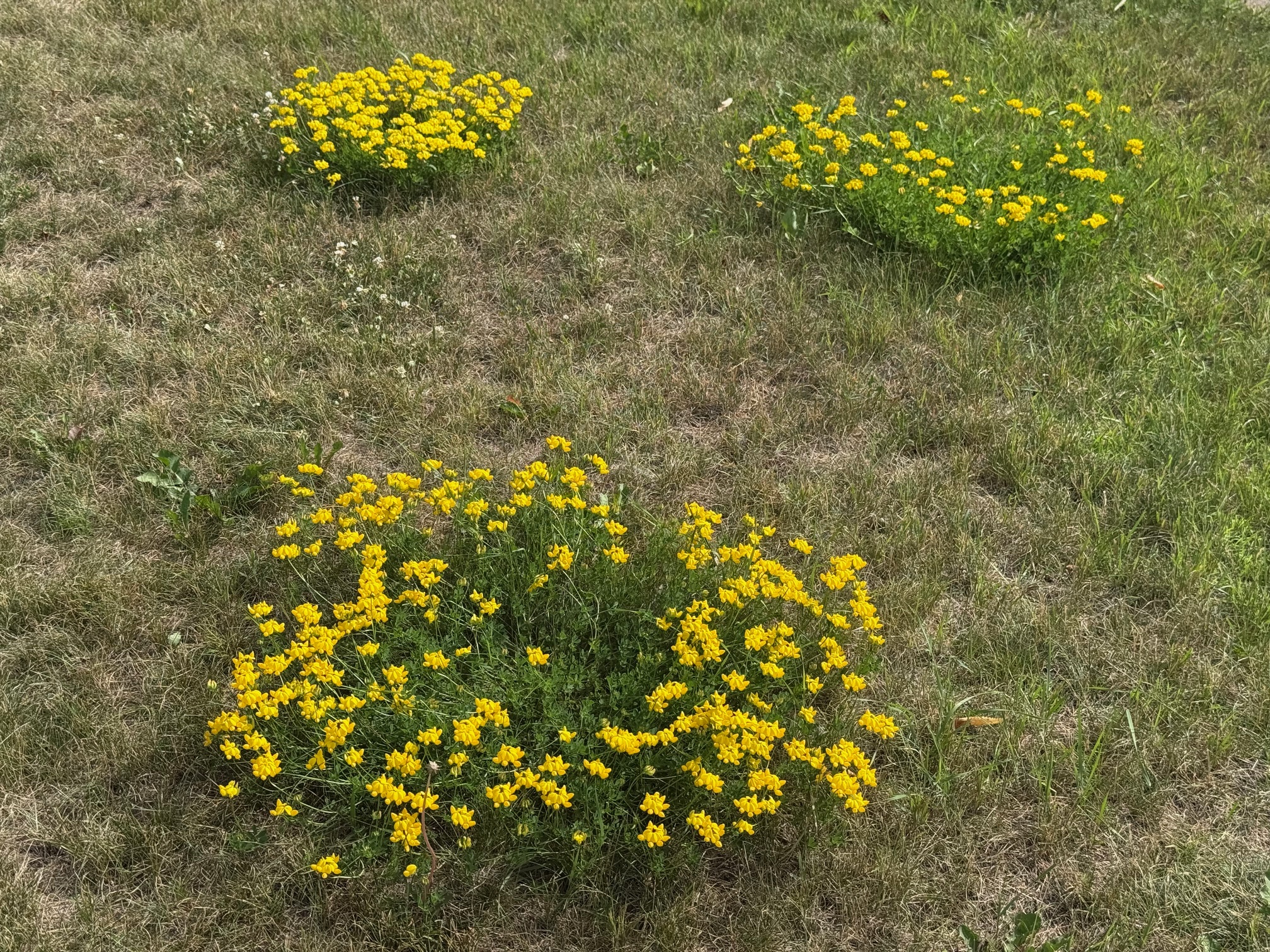
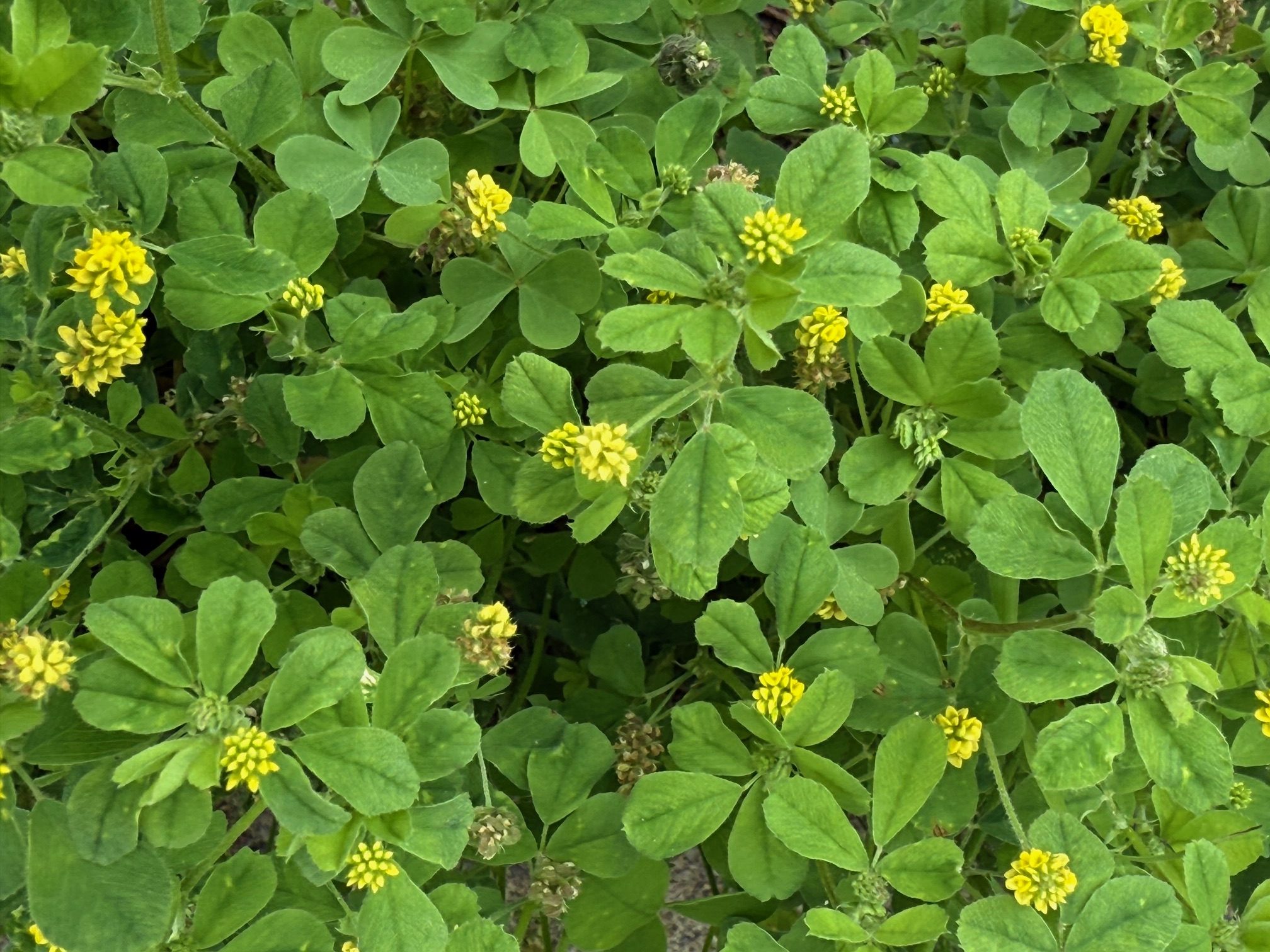
Persistent broadleaf weed infestations develop in lawns when underlying conditions favor development of the weed species. Examples are noted in the gallery of common broadleaf weeds above. Corrections of both underlying site conditions and lawn management practices will make lawns less favorable for broadleaf weeds and will, in turn, lead to healthier, competitive stands of lawn grasses.
Suggested cultural management practices to reduce potential broadleaf weed invasions in lawns include:
- Apply adequate nitrogen fertilizer on an annual basis to promote healthy, thicker lawns that can better compete or outcompete many broadleaf weeds. One of the more common reasons for broadleaf weed problems is lack of nitrogen for proper lawn growth, as many broadleaf weeds can thrive under low soil fertility. Fertilize as recommended for the lawn species and site conditions, with full-sun areas needing more nitrogen than shade areas. Early fall is the key time to apply nitrogen for all lawns, whether sun or shade or level of overall maintenance. Controlled-release nitrogen fertilizers are preferred over fast-release sources. Return clippings to the lawn when mowing to recycle nitrogen.
- Raising mowing height is a simple yet highly effective tool to reduce many weed problems. Mowing too short is a common lawn care mistake that often leads to weed issues, most notably crabgrass, but also many broadleaf weeds. Mow as high as site factors allow, with a three inch height of cut ideal for most lawns.
- Mowing frequency should be based on rate of grass growth. Follow the rule of one-third, which says not to remove more than one-third of the leaf blade each individual mowing. Irregular mowing stresses lawns and benefits weed species.
- Core aerate to address soil compaction issues that can lead to broadleaf weed infestations in lawns. Core aerating lawns will help alleviate compacted soils, improve surface drainage, and reduce thatch, which in turn help lawns resist weed encroachment. Core aerating is effective in fall or spring, with adequate soil moisture necessary for optimum results.
- Obtain topsoil from reputable sources. Choose reputable vendors for soil material to avoid obtaining soil from sites with high populations of established perennial broadleaf weeds. Weed seeds and vegetative structures can be brought onto lawn sites via contaminated soil.
- Time establishment and renovation practices for favorable grass growth conditions. Ideally, time establishment or renovation work for late August into early September for best results. Avoid extended periods of bare soil prior to establishment to prevent weeds from germinating and developing.
- Match grass species to site conditions when establishing or overseeding lawns. Grasses well-adapted to the site conditions they are growing under are more competitive against weeds. Consider full-sun versus shade areas and low versus moderate maintenance as parameters when choosing lawn grasses. Purchase blends of named cultivars for best results.
- Promptly remove visible broadleaf weeds in lawns. Mechanically removing (hand pull or dig out) broadleaf weeds as they appear prevents further spread, either by seed or vegetatively. Removal prior to flowering prevents seed formation. Many species may have rhizomes (below ground runners), stolons (runners on soil surface), or deep taproots that need to be completely removed to avoid regrowth.
Chemical Management of Broadleaf Weeds
Established populations of broadleaf weeds may require application of herbicides (weed killers) to control them. Herbicide use should not be routine practice, however, but considered a tool to help get weed populations under control.
Broadleaf weeds continuing to be problematic even after repeated herbicide use might be an indication of either improper herbicide selection and/or application methods to control specific weeds on the site. Also consider underlying causes (outlined above) may not have been addressed via adjusting lawn care practices and site modifications. Herbicide use should not be considered the long-term solution to broadleaf weed problems in lawns.
Broadleaf herbicides applied to existing weeds (postemergence) is the most common control method. When used properly, these herbicides can selectively control the broadleaf weed growing among the lawn grasses without damaging the lawn. Preemergence herbicides, typically used for managing annual grasses like crabgrass, can inhibit the emergence of broadleaf weeds, but not as well as the case with annual grasses. For this reason, in most home lawn situations they are not used with the intent of targeting specific broadleaf weeds. Instead, focus on managing existing broadleaf weeds present (see text that follows) and then modifying lawn care practices and site factors to prevent future broadleaf weed outbreaks (see above).
Common broadleaf herbicides labelled for use on home lawns include 2,4-D, 2,4-DP (dichlorprop), dicamba, fluroxypyr, mecoprop (MCPP), and triclopyr. All are synthetic auxins that can selectively control broadleaf plants growing among grasses. Auxins are one of the growth-promoting hormones naturally produced in plants. When synthetic auxins are applied to broadleaf weeds, they disrupt the natural growth processes to the extent the plant dies.
Weeds vary in susceptibility to a particular herbicide. Commercially available products in garden center outlets often contain a combination of two or even three of these herbicides to control either a wider range of weed species and/or improve control of a specific weed. Look under the active ingredients section of the product label to determine which herbicide(s) are inside. The table below lists common broadleaf weeds found in Wisconsin lawns and the suggested broadleaf herbicide(s) to manage them.
Suggested Postemergence Herbicides for Common Broadleaf Weeds in Lawns
| Weed Species | Suggested Herbicide |
|---|---|
| Birdsfoot trefoil (Lotus corniculatus) | triclopyr, several others |
| Black Medic (Medicago lupulina) | most broadleaf herbicides |
| Broadleaf Plantain (Plantago major) | 2,4-D |
| Common Chickweed (Stellaria media) | most broadleaf herbicides |
| Dandelion (Taxaxacum officinale) | 2,4-D, Fe-HEDTA (see last section below), several others |
| Ground Ivy (Glechoma hederacea) | triclopyr, Fe-HEDTA (see last section below) |
| Healall (Prunella vulgaris) | fluroxypyr, quinclorac, triclopyr |
| Henbit (Lamium amplexicaule) | most broadleaf herbicides |
| Mouse-ear Chickweed (Cerastium fontanum) | most broadleaf herbicides |
| Prostrate Knotweed (Polygonum aviculare) | dicamba, triclopyr |
| Prostrate Spurge (Euphorbia maculata) | most broadleaf herbicides |
| Red Sorrel (Rumex acetosella) | most broadleaf herbicides |
| Thistles (Canada, Musk, Bull) | 2,4-D, dicamba, triclopyr |
| White Clover (Trifolium repens) | dicamba, fluroxypyr, quinclorac |
| Wild Violet (Viola sororia) | triclopyr |
| Yellow Woodsorrel (Oxalis stricta) | fluroxypyr, triclopyr |
Postemergence Herbicide Usage Guidelines for Broadleaf Weed Control
There are general guidelines for using broadleaf herbicides on lawns presented below. However, always refer to the label of the specific product you are using. Thoroughly read, understand, and follow all information on herbicide labels.
- Apply at proper rates as indicated on the label. Never intentionally exceed label rates by either making too concentrated of a spray mix or repeatedly applying herbicides over the same lawn area in a single application. In addition to damaging lawn grasses, there are numerous potential consequences of violating herbicide label directions.
- Avoid damaging off-target areas. Broadleaf herbicides can damage or even kill many landscape and garden plants if they drift off target (spray droplets land off the lawn). Avoid spraying on windy days, also avoid application on hot days (temperatures over 85°F – refer to product label).
- Weeds need to be actively growing with significant leaf area present for herbicides to work properly. Do not apply to drought stressed lawns. It is best to have adequate soil moisture and actively growing weeds and lawn grasses. Do not mow for a few days before and after application to allow maximum leaf area for herbicide coverage and allow time for the herbicide product to be absorbed into the weed.
- Fall is the optimum time to control many perennial broadleaf weeds. As perennial weeds prepare for winter dormancy, they readily take in herbicides and are effectively controlled. In addition, in the cooler weather of fall, lawns can more readily fill in bare areas left by dead weeds. Spring and early summer applications may not provide as good of control as fall. Plus, application under warmer temperatures increases the chance of lawn injury.
- Do not apply if rainfall is eminent. In general, for best weed control results, rainfall should not occur on lawns for at least six hours after application (double check labels for exact time interval).
- Consider spot treating weeds rather than spraying weed killer over the entire lawn area. Since these herbicides are taken in through leaves of the target broadleaf weed, there is no need to spray lawn areas not containing existing weeds. This will reduce the amount of herbicide applied to lawns, in addition to saving money.
- Consider liquid-applied (spray) products over granular. Granular products containing fertilizer combined with broadleaf herbicides (weed & feed) typically provide inferior broadleaf weed control compared to liquid-applied herbicides. If using granular products, apply when lawns are wet from dew as granules must stick to weeds. In addition, granular herbicide/fertilizer products do not allow spot treating (see above) as the product needs to be spread over the entire lawn, whether weeds are present or not, to supply the fertilizer component.
- Keep off treated area at least until product is dry. Refer to label directions to confirm the time interval to keep children and pets off lawn areas treated with herbicides.
- Broadleaf herbicide use has some limitations in conjunction with newly seeded areas. In general, wait until newly seeded lawn areas have been mowed at least two to three times (or more) before treating broadleaf weeds. In addition, wait three weeks (or more) before seeding a lawn area after it was treated with broadleaf herbicides. Check product labels to confirm exact time intervals and restrictions for specific products being used.
- Refer to the label regarding maximum number of applications per year and any potential hazards when used on lawns over the root zone of trees. Multiple applications of certain herbicides (consult specific label) within a season may be limited to a maximum number. Dicamba is an example of a herbicide that presents risk of potential product uptake by trees when applied over their rootzones. Follow label directions and precautions carefully.
Alternative Postemergence Broadleaf Weed Control Products
There are some organic herbicides or alternatives to conventional postemergence herbicides on the market, but most are nonselective, meaning they will injure both actively growing grasses and the target weed in the lawn. In addition, avoid using products like Borax (boron), other household products, or “home remedies” as alternatives to conventional herbicides that may appear online or elsewhere. These materials are not labelled for use as weed killers and have not been evaluated as such. Boron becomes toxic as it accumulates to elevated levels in the soil. Turfgrasses can easily be damaged when using these types of products as herbicides, as can other nontarget plants and the soil environment.
An alternative to conventional synthetic herbicides that has labelled use for broadleaf weed control in lawns, in particular targeting ground ivy (creeping charlie), contains the active ingredient iron HEDTA (FeHEDTA). Iron toxicity kills the broadleaf weeds, but lawn grasses have tolerance to iron. See the video on Ground Ivy/Creeping Charlie found within the article on our website for more information.
Author: Bruce Spangenberg, Horticulture Outreach Specialist, UW-Madison Extension Horticulture Program
Reviewers: Doug Soldat, Turfgrass and Urban Soils Outreach Specialist, and Margaret Murphy, Horticulture Educator for Extension Dunn and Chippewa Counties
Published: Oct. 1, 2026