

Successfully growing plants in Wisconsin landscapes and gardens involves numerous factors. Key factors for success include providing favorable growing conditions to meet plant needs and keeping any problems that arise to a minimum. When plantings fail, careful analysis of the situation helps in making an accurate diagnosis.
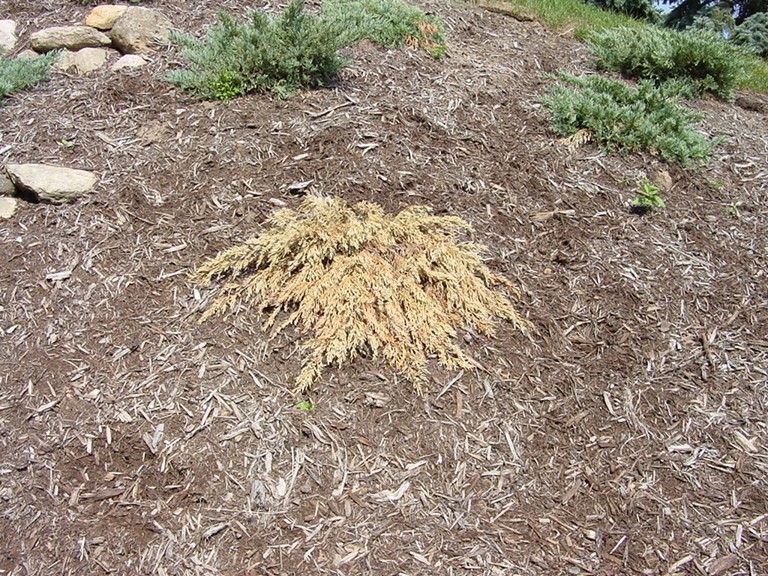
When problems develop on only one kind of plant, then there is something wrong specific to that species (or cultivar) rather than the entire planting site. Disease or insect problems are commonly the issue, as most insect pests and disease pathogens attack specific plants, rather than several different plant species growing together in one location. Another possibility is that the ailing plant is in an improper location, or simply not adapted to our climate, thus it struggles and eventually fails.
Choosing the right plant for your specific garden or landscape growing conditions is critical.
Plants requiring full sun will suffer in shade, and vice versa. Always do some background research on both specific growing requirements and notable pests that plants are prone to before deciding to purchase them. Consider replacing existing plants that have chronic problems due to a site or climate mismatch or are extremely susceptible to insects or diseases.
Problems affecting many different plants in one location, however, are usually caused by issues related to the general environment or growing conditions of that area. These may include soil characteristics, amount of available light or water, abundant weeds, misuse of chemicals, or even the weather. It is not unusual for more than one factor to be contributing to plant decline.
Soils play a critical role in the success or failure of the garden. Crucial factors include soil pH (measures how acidic or alkaline), fertility, and drainage. Soil fertility dictates available nutrients for plant growth, and is highly impacted by factors such as pH, organic matter amounts, planting history, and fertilizer application. If all plants are doing poorly, possibilities include low soil fertility, compaction, or poor drainage. Soil test results provide accurate soil pH and major nutrient level values, and adjustments can be made based on that information. Finally, weather conditions also play a significant role in success or failure of all types of plantings. Drought has been a huge concern over much of Wisconsin this season, and stress effects on plants can linger in future years. Stress can increase certain insect and diseases, or lead to reduced plant growth and development. Likewise, winters with extreme cold and/or lack of snow can damage or kill sensitive species the following growing season. Always factor in recent weather trends as potential contributing factors when diagnosing ailing plants.

About the Author
Bruce Spangenberg is a Horticulture Outreach Specialist with UW-Madison Division of Extension. Get answers to your lawn, landscape and garden questions anytime at “Ask Your Gardening Question.”