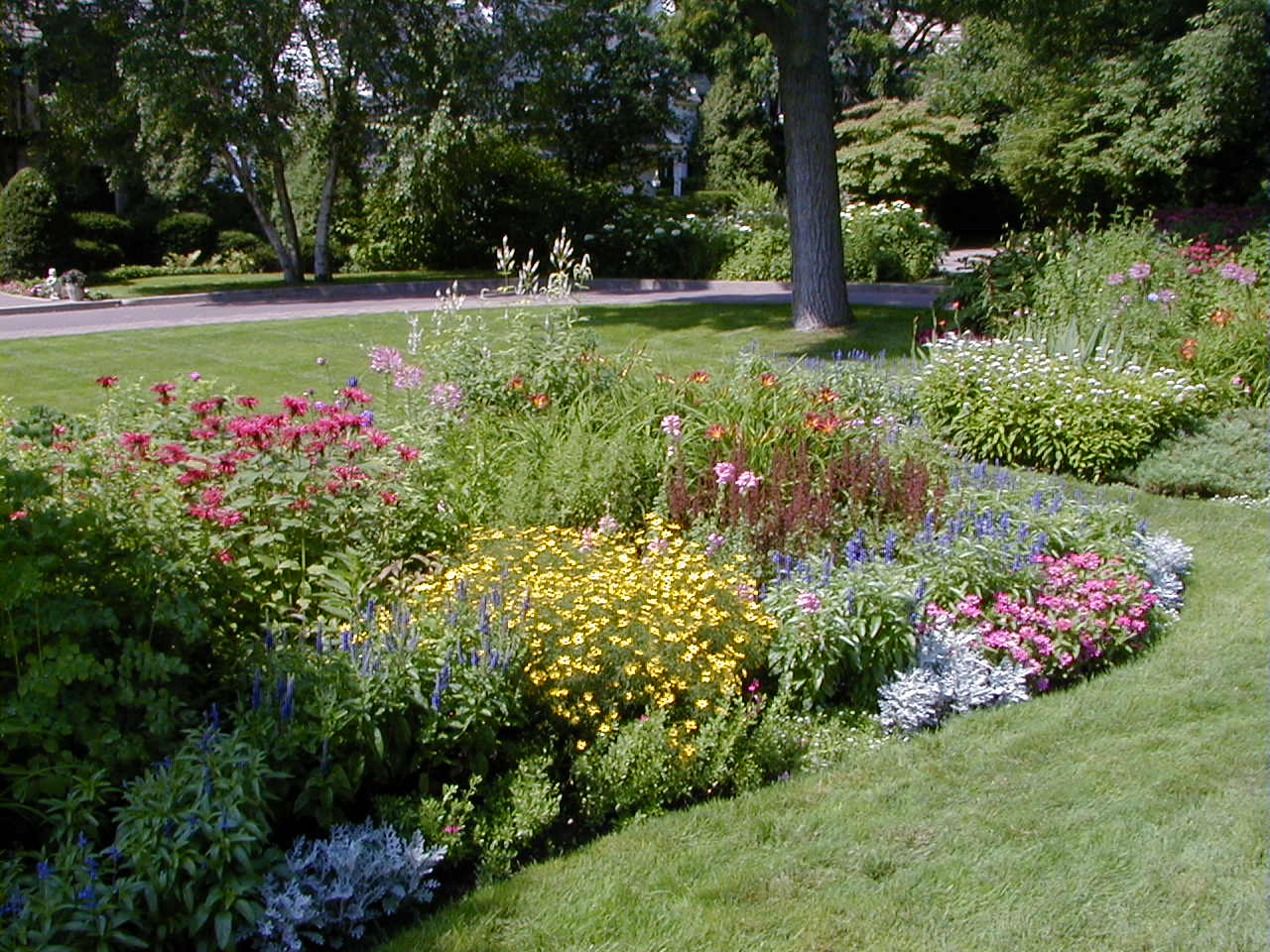
Low-Maintenance Landscapes
All plants and structures require some maintenance, but you can choose the level of maintenance your landscape will require. Many homeowners enjoy lawn and garden work and knowingly choose plants and structures that require a lot of maintenance. Others want an attractive and functional landscape, but would rather not spend evenings and weekends weeding, mowing, watering, edging, and pruning. If you are in the latter category, work toward a low-maintenance landscape.
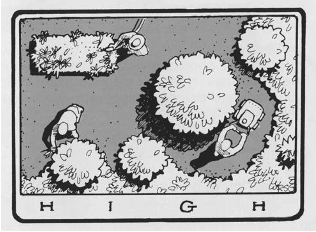
Turf often requires the highest maintenance in a landscape. Low-maintenance landscapes usually have small lawns. If you have a lawn, mow regularly using a mulching mower to avoid raking leaf clippings. A mulching mower reduces fertilizer needs by returning plant nutrients to the soil.
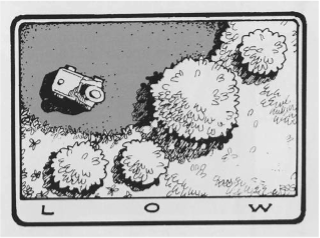
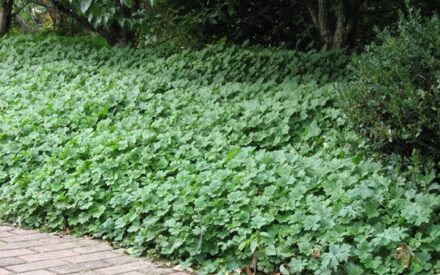
A perennial ground cover under trees and shrubs can also reduce maintenance. Most ground covers grow well in organic mulch and, if planted at the right density, can even be used in place of mulch.
Edging around planting beds reduces maintenance time by separating the beds from the lawn. An edge can be created with a straight-edged shovel (repeated about every other year) or by selecting edging material that blends into the landscape (i.e., has texture and color that complements the house and other landscape structures). Stone, wood, brick, steel, and plastic are all available.
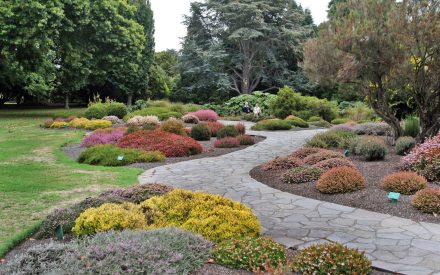
Use well-adapted plants in their natural form that require minimal maintenance. Though attractive, it takes a lot of time to maintain unnatural plant forms like topiaries, espaliers, and pollards. A natural landscape usually requires less maintenance than most conventional ones.
Space plants properly during the initial planting. For the first few years, a landscape with plants properly placed will look a little bare; however, once the plants begin to mature, they will be much healthier. Patience is key! Overplanted landscapes mean extra time spent pruning, trimming, and thinning. Plants planted too close also compete for nutrients and sunlight and limited air flow, which may lead to unwanted pest problems. If you underplant, your landscape will lack the aesthetic value, and more plants may need to be added. A proper amount of plants will create a full canopy that will shade out weeds.
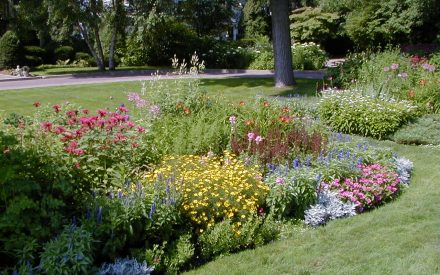
Tip: Planting annual flowers in containers and small planting beds makes planting and removal easier.
Tip: Don’t forget about snow removal in winter. For example, allow for areas to pile snow, especially if a plow is used, and avoid tall shrubs along walks that are shoveled by hand.
Mulched planting beds usually require less maintenance than the same area of properly maintained lawn. Two to four inches of shredded bark, wood chips, pine needles, or similar organic materials control weeds, retain soil moisture, and moderate soil temperatures, while blending into the landscape. To prevent most weeds, add a fresh layer of mulch every year or two to maintain a 2–4” layer and freshen up the landscape.
Avoid placing plastic sheeting or landscape fabric around plants and under organic mulches. It is best to allow the organic mulches to decompose and become part of the soil. As organic mulches decompose on top of plastic or landscape fabric, it creates rich compost that is the perfect environment for weed seeds to germinate. As plants mature the plastic can also become too tight around the plant, stressing or killing the plant. Plastic also disrupts the exchange of moisture and oxygen between soil and air.
If using some type of rock as decorative mulch, landscape fabric can be used to prevent weeds. However, rock mulch is not recommended for most ornamental plantings or around trees. It can reduce aeration of heavy or poorly drained soils (while providing only limited moisture retention), and it can absorb and reflect heat, which may damage plants. Some crushed stone, marble chips, and brightly colored wood mulch can introduce colors that violate basic design principles and detract from plants and other design elements.
← Previous: Selecting Landscape Plants
Next: Landscape Structures →
Authors: Dan Wilson, Professors Emeritus, University of Wisconsin-Extension, Thomas Wilson, Professors Emeritus, University of Wisconsin-Extension, and Wayne Tlusty, Professor Emeritus, University of Wisconsin-Madison. Illustrations by Renee Graef.
Reviewed by: Christine Wen, UW-Extension Walworth County Horticulture Educator
Last revised: 5/10/2010
Item number: G1923
References and Additional Resources
Plant Selection
- A Guide to Selecting Landscape Plants for Wisconsin (A2865)
- Choosing the Right Landscape Plants: Factors to Consider (A3864)
- Container Gardening (A3382)
- Landscape Plants That Attract Birds (G1609)
- Lawn Establishment and Renovation (A3434)
- Lilacs for Cold Climates (A3825)
- Prairie Primer (G2736)
- Selecting Woody Landscape Plants for Fall Color: An Illustrated Guide (A3837)
Plant Care
- Caring for Deciduous Shrubs (A1771)
- Caring for Your Established Shade Trees (A1817)
- Do-It-Yourself Alternative Lawn Care (A3964)
- Growing Grass in Shade (A3700)
- Lawn Weed Prevention and Control (A1990)
- Mulches for Home Gardens and Plantings (A3383)
- Organic and Reduced-Risk Lawn Care (A3958)
- Organic Soil Conditioners (A2305)
- Sampling Garden Soils and Turf Areas for Testing (A2166)
- Selecting, Planting, and Caring for Your Shade Trees (A3067)
- Tree and Shrub Fertilization (A2308)
- Watering Your Lawn (A3950)
Yard Care and the Environment series
- Lawn and Garden Fertilizers (GWQ002)
- Lawn and Garden Pesticides (GWQ011)
- Lawn Watering (GWQ012)
- Lawn Weed Control (GWQ013)
- Managing Leaves and Yard Trimmings (GWQ022)
- Rethinking Yard Care (GWQ009)
- Shoreline Plants and Landscaping (GWQ014)
Other Publications
- Landscaping for Wildlife, available from the Minnesota Department of Natural Resources.
- Livable Landscape Design (141IB-211), available from Cornell University.