Overview of Hibiscus acetosella
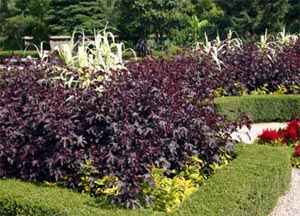
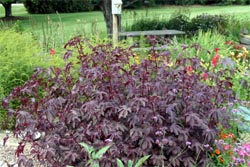
Most Hibiscus plants are grown for their showy flowers, but one species is more noted for its ornamental foliage than the flowers. Hibiscus acetosella is a bold addition to the garden, with deep red-purple foliage that makes a great contrast with green and silver-leaved plants. This tender perennial subshrub is native to tropical East Africa, and though hardy only to zone 8a or 9a, it grows rapidly and is commonly grown as an annual in cold climates. Its common names include African rosemallow, false roselle, maroon mallow, cranberry hibiscus, and red-leaved hibiscus.
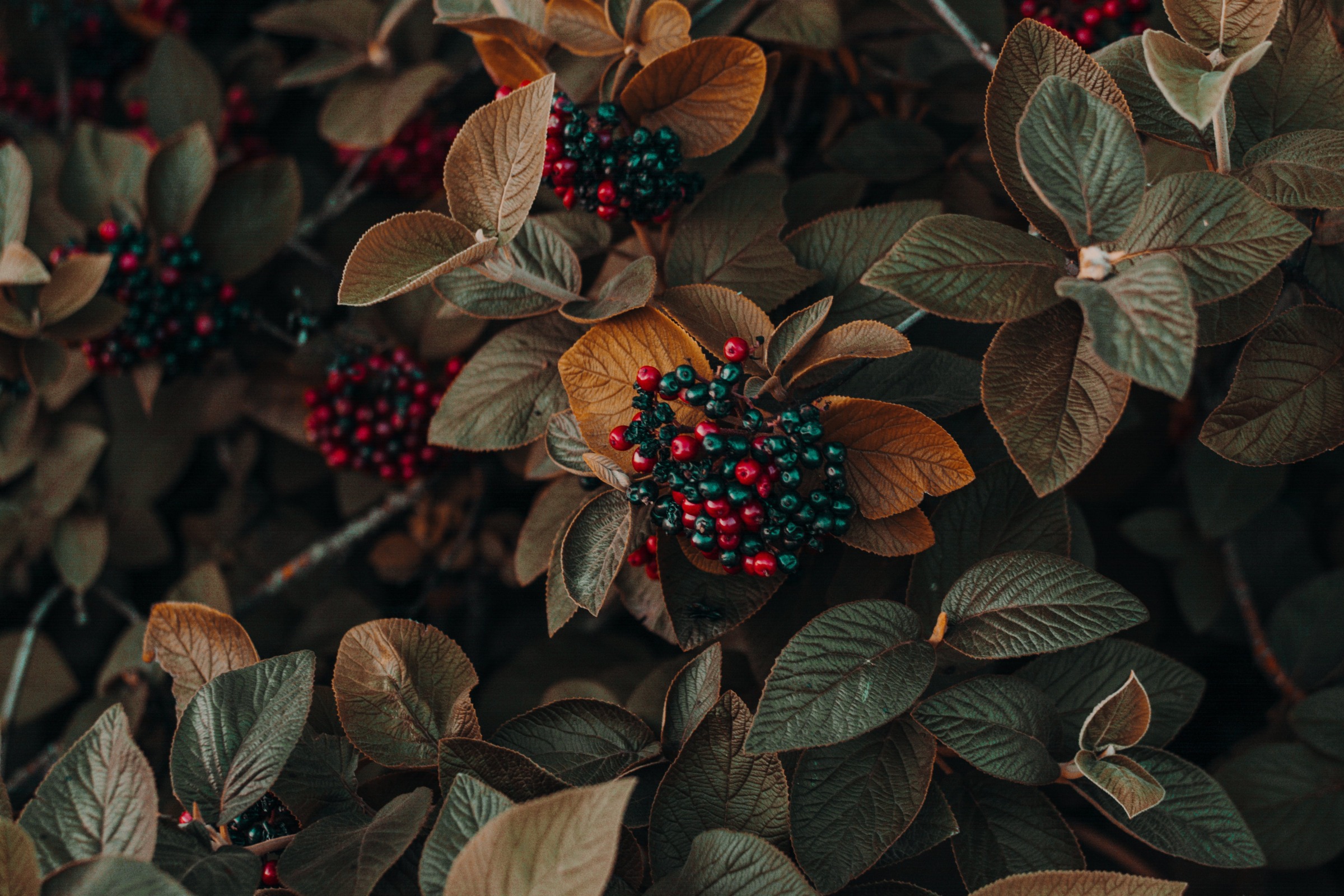
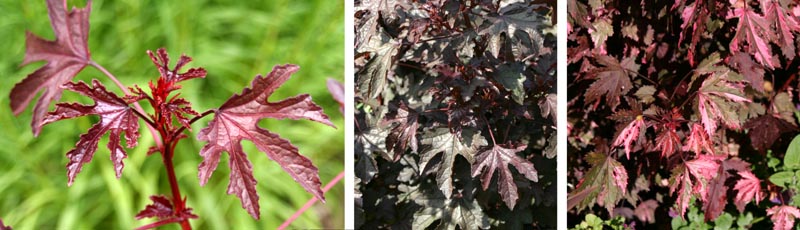
The palmate leaves are dissected to varying degrees, depending on the cultivar, and in general are reminiscent of Japanese maple. The leaves of the species are variable, lobed or unlobed, green and red or all red, but those selections offered as ornamentals have dark maroon, bronze colored, or variegated leaves and stems. The foliage is particularly attractive when backlit and the sun shines through the leaves. The plants grow 3 to 5 feet tall and up to 1 to 2½ feet wide in one season.
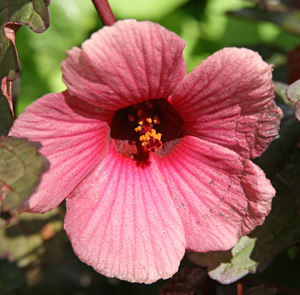
The small (2 inch), deep crimson to purple flowers are rather similar in color to the foliage. They are borne singly in the leaf axils and are not very conspicuous and can be overlooked. Plants bloom in response to short day length, so they flower very late in the growing season. In the Midwest, plants are typically killed by frost before flowers appear.
Landscape Use of Hibiscus acetosella
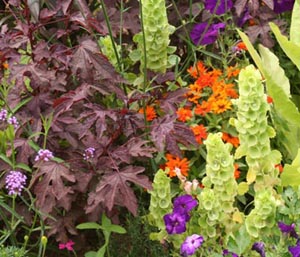
The shrubby habit of this plant makes it a good choice for a seasonal hedge, an attractive annual specimen plant, or for contrast in the mixed border or cottage garden. It looks particularly nice with the silver foliage of cardoon. Combine darker purple-red types with pink flowers, such as pentas, zinnias or Verbena bonariensis, for a sophisticated look or with lime-green foliage or green, yellow, or bright orange zinnias or other flowers for a bolder composition. Plant it in combination with large-leaves plants, like bananas or cannas, for a tropical look. They look wonderful in contrast with ornamental grasses and can be grown in large containers (but may require pinching or cutting back to maintain an appropriate size).
Propagating Hibiscus acetosella
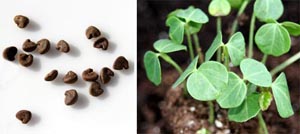
H. acetosella is easy to grow from seed and quickly attains a large size. The seeds have small prickly hairs that may be irritating to some people. Seeds germinate easily and the seedlings grow fast. Sow seed indoors 6 to 8 weeks before last frost and plant outside after the danger of frost has passed.
Vegetative varieties are often available as plants in various pot sizes at nurseries and garden centers. Plant in full sun in well-drained, moist soil for best growth and color. Since the plants are often not particularly full, plant several closely together to create a bushier appearance, or pinch the plants to encourage branching. If plants grow too much, they can be cut back at any time to shape the plants.
Cuttings can be taken in the fall to save plants for the next growing season. Cuttings will root in soil or water. It does well as an indoor potted plant during the winter.
This species is occasionally listed under H. eetveldeanus. A few varieties are available:
- ‘Haight Ashbury’ (US PP 19,228) has variegated leaves in shades of cream, pink, red, copper and burgundy, with deep burgundy flowers. It is vegetatively propagated and not true from seed.
- ‘Jungle Red’ has deeply dissected, burgundy purple, palmate leaves which resemble a Japanese maple.
- ‘Mahogany Splendor’ is a seed propagated variety with dark burgundy foliage and deeply serrated, maple shaped leaves. It grows 3 to 5 feet tall and 2 to 2½ feet wide. Leaves tend to be green with rusty brown highlights when grown in greenhouses, and will develop its purple color when planted outdoors.
- ‘Maple Sugar’ (US PP 16,286) has slightly larger burgundy-black, maple leaf shaped foliage and burgundy blooms. It is vegetatively propagated and not available as seed.
- ‘Panama Bronze’ (US PP 20,811) had deeply cut purple-bronze leaves and bright red flowers. This is a hybrid of H. radiatus and H. acetosella ‘Panama Red’ developed at the University of Georgia.
- ‘Panama Red’ (US PP 20,121) has deeply cut red leaves and bright red flowers. It is one of the parents of ‘Panama Bronze’ and was developed at the University of Georgia.
- ‘Red Shield’ is a commonly available variety with deep purple-burgundy leaves and red-pink flowers.
– Susan Mahr, University of Wisconsin – Madison
Last Update: Allen R. Pyle, UW-Madison Extension, 2026