

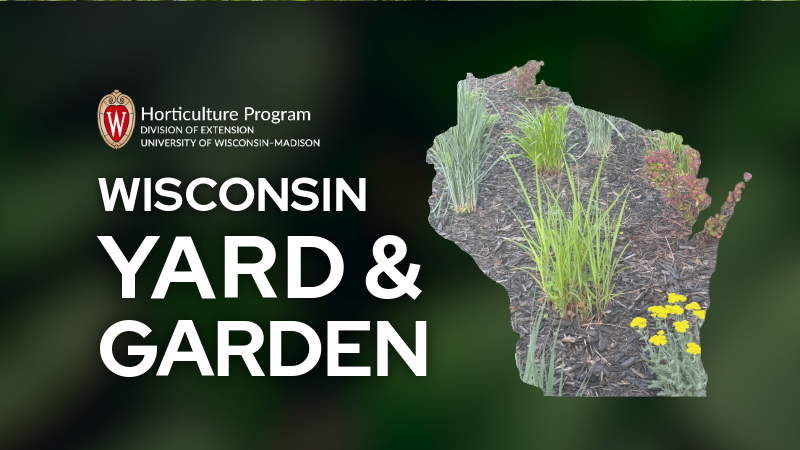
Another open-water fishing season is set to open across Wisconsin. With it comes the dilemma how to maintain yards and gardens yet have time to get out to pursue walleyes, or for non-anglers, get in regular rounds of golf or hit the beach? Plants are not maintenance free; but there are numerous ways to reduce yard and garden maintenance to free up time for other things.
Start with wise plant material selection. Plants that need frequent watering, fertilizing, and pruning require lots of attention, so research all the characteristics of plants before adding them to your landscape. Always match plant growth requirements to the specific site conditions where they will be growing to keep issues and maintenance needs to a minimum. Plants growing in the wrong place, such as those needing full sun planted in shade (or vice versa) will decline.
Look for limited maintenance perennials and shrubs. Ornamental grasses, including several native species, make excellent choices for sun areas as they require exceptionally minimal maintenance and are attractive at the same time. They rarely encounter any insect or disease problems, deer do not eat them, and hardy species come back every year. For difficult shade areas, consider shade tolerant groundcovers such as ajuga, pachysandra, and others as alternatives to lawns. Once established, groundcovers require minimum care and will resist weed invasions, in addition to looking nice.
Mulching is one practice that reduces problems and thus saves yard work time throughout the yard. Mulching gardens and landscape plantings helps keep down weeds, conserve soil moisture, maintain uniform soil temperatures, and even make landscape beds look better. Pull up any existing weeds, roughen the soil surface, and allow soil to warm a bit before applying mulch.
Several types of shredded or chunk bark products are available for mulching landscape plants. Spread mulches two to four inches deep. Do not make “volcano” mulch piles at the base of tree trunks and shrub stems. Avoid using plastic around landscape plants but in vegetable gardens it can be an excellent choice for warm-loving crops like tomatoes, melons, and peppers. Straw is most often used around vegetable crops.
For lawns, mowing higher is the best advice to keep time-consuming problems to a minimum. Setting mowers at about three inches for the season promotes deeper roots and helps keep problem weeds like crabgrass at bay. As a result, lawns will be healthier and look better than when mowed too short. Always return grass clippings when mowing to recycle nitrogen as well.
After adopting limited maintenance yard and garden practices, time to focus on what bait to use or work on that putting game!

About the Author
Bruce Spangenberg is a Horticulture Outreach Specialist with UW-Madison Division of Extension. Get answers to your lawn, landscape and garden questions anytime at “Ask Your Gardening Question.”