Overview
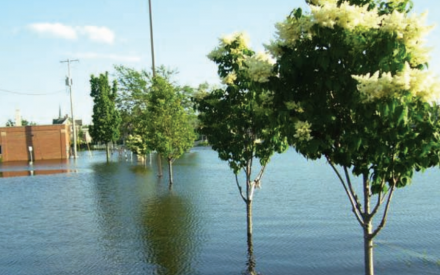
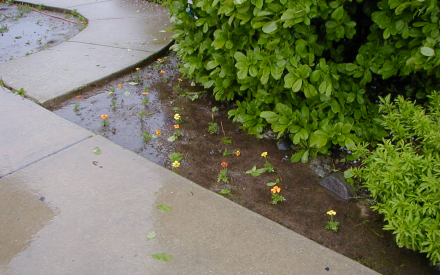
Water is essential for plant growth and development, but too much for too long can be harmful. Excess soil moisture and flooding can damage roots, reduce oxygen availability in the soil, and lead to poor plant health. In Wisconsin, heavy rains are becoming more common. Learn what to do when Wisconsin experiences extreme precipitation to help you make better decisions when extreme weather strike to mitigate damage to your gardens and landscapes.
Practices to use before extreme precipitation and flooding
- Know your planting site. Identify areas that are likely to flood or become waterlogged, such as low lying areas or slow-draining clay soils.
- Plant species able to tolerate wet conditions, especially in areas prone to water logged soils. Choose annual and vegetable varieties that can be planted later to avoid wet spring soils. Proper tree and shrub selection is especially important because these are long-lived landscape elements. See Effects of Flooding on Woody Landscape Plants for tree and shrub recommendations.
- Install a rain garden or vegetative buffer strip to help with stormwater management.
- Consider raised bed gardening for vegetable or annual gardens to replace inground areas that get too wet, especially in spring.
- Continue proper soil management practices, including the addition of organic matter, to improve soil properties over time.
- Correct drainage and runoff problems if possible (i.e. increase the amount permeable of surfaces that allow water to pass through, reduce hardscapes, etc.)
Practices to use after extreme precipitation and flooding
It can be difficult when our gardens and landscapes experience extended periods of waterlogged soil or flooding. Here is what you can do for your plants:
- Wait for the waters to recede and/or the soil to dry out. Unfortunately, there isn’t much to be done once a soil becomes waterlogged. Plants may gradually recover if the duration of the flooding wasn’t too long and root damage wasn’t severe. How long this takes will vary depending on location and severity of the flooding.
- Wait to see what flowers, vegetables, herbs, annuals, and perennials recover over time as the soil dries out. Herbaceous plants completely submerged in water for more than 1-3 days will likely die, depending on species and size. Seeds, seedlings and shorter plants will probably not survive. Taller plants may hold out a little longer. Replant as desired once soil has dried out appropriately.
- Turf that has been submerged, exposed to low oxygen conditions for over four days, or covered in soil due to floodwaters may need to be totally renovated due to crown death. Wait to see if the turf survives after the soil dries out, potentially two to three weeks, before deciding to renovate. Learn more about turf renovation in our Lawn Establishment & Renovation article.
- Trees and shrubs exposed to flood conditions for an extended period of time may show stress symptoms or death, even in future years. If you have concerns about the health of your tree or shrub due to flooding, consult a certified arborist to discuss if it can be saved. If silt or soil deposits are three or more inches deep, carefully remove while taking care not to damage roots or crown. If roots have been exposed due to soil erosion, cover with soil to original depth.
- Be on the lookout for future pest and disease issues that wet conditions favor, such as root rot diseases.
Avoid these practices when water logged or flooded:
- Don’t till, work, walk on, or operate heavy machinery on the soil until it has dried out sufficiently.
- Don’t consume produce that has been submerged in floodwaters.
- Don’t fertilize until after wet conditions have abated and plants have recovered.
What is extreme precipitation?
There’s no exact amount of precipitation that defines “extreme precipitation”. Instead, several factors can make rainfall events more damaging:
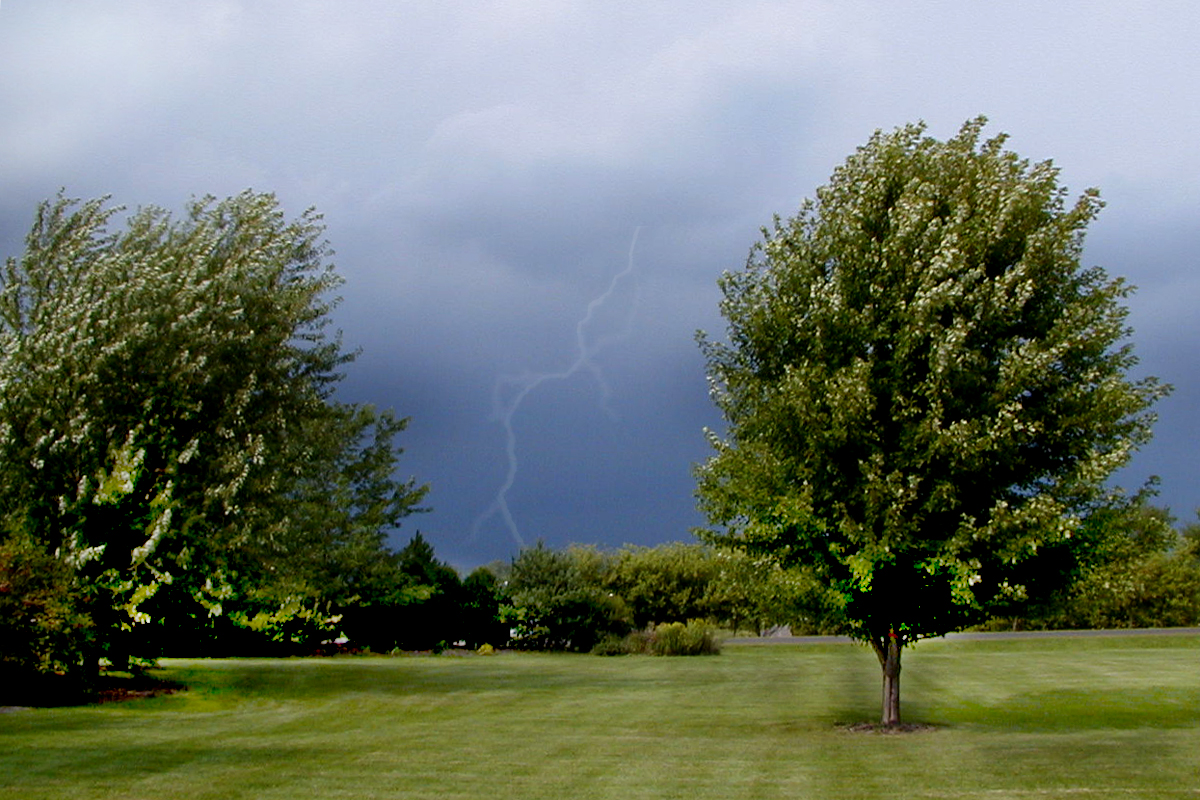
- A heavy downpour in a short time can overwhelm soils and drainage systems, leading to increased runoff or flooding. Wisconsin has recorded different precipitation records and has seen more than 11 inches of rain in a single day, far more than most gardens can handle.
- Multiple storms close together can keep soils waterlogged, causing ponding or standing water.
- Soil type affects how quickly soils become waterlogged and how long they stay that way. Clay soils hold water and saturate quickly, while sandy soils drain faster.
- In spring, frozen soil can block water from soaking in, causing runoff and erosion.
Climate trends in Wisconsin
Wisconsin’s wettest months are June through August, during the prime growing season. Climate research from the Wisconsin Initiative on Climate Change Impacts (WICCI) shows that rainfall has increased across all seasons, including summer, for most of Wisconsin since 1950.
In recent decades, Wisconsin has seen more days with 2 inches or more of rain, and the heaviest storms are delivering even greater totals. By mid-century (2041–2060), those very wet days are expected to become more common as temperatures rise.
Plant problems due to extreme precipitation or flooding
Plant roots need oxygen to do normal cellular processes like respiration (making energy). Oxygen is found in pore spaces in soil. When water fills up those pore spaces instead of air, oxygen availability is greatly reduced. With reduced oxygen availability, the plant relies on anaerobic respiration to produce energy, which often results in the accumulation of byproducts harmful to the plant. Higher temperatures during flooding can increase a plant’s metabolism, resulting in more energy usage and an increase in harmful byproducts.
Deposits of silt or other material as a result of flooding may increase soil depth around or on top of trees, other plants, and turf, potentially worsening the low oxygen situation for roots.
These are examples of consequences of water logged soils you may see:
- Tissue damage: Low soil oxygen can result in tissue damage for underground roots, including vegetable crops, like carrots and potatoes.
- Tissue death: If subjected to low oxygen for long periods of time, plant roots die, which in turn leads to the death of the above ground plant tissue. Examples of this include branch dieback in trees and shrubs.
- Plant stress symptoms: General plant stress symptoms may be observed for years to come including leaf yellowing, leaf drop, sudden fall coloring, branch dieback, flower drop, fruit drop, fruit or vegetable cracking and other stress symptoms.
- Disease and disorder risk: Root rots and similar diseases may increase due to good conditions for pathogen growth. Nutrient disorders like blossom end rot may increase due to lack of water movement in the plant due to injured roots.
- Nutrient issues: Soil microbial communities change in soil without oxygen, favoring different nutrient cycling processes that can result in soil nutrient loss. Because of that, the soil nutrient profile may change, ultimately having negative effects for plants. Leaching of nutrients due to flooding is also a potential.
- Contamination issues: Flood waters can contain contaminants picked up elsewhere, such as pesticides, sewage, petroleum products, etc. This can cause plant damage and be a human health risk.
Flooding or washout events can also damage plants due to the flow of water and other debris.
- Physical damage to roots: Plant roots may be exposed and damaged if soil is washed away due to flooding.
Excess moisture and flooding can cause direct damage to roots and plants, reduce oxygen availability in the soil, lead to poor plant health, and have other impacts to our landscapes. By understanding the climate trends in Wisconsin and the impacts of extreme precipitation and flooding, you can take steps to protect your plants and mitigate damage to your gardens and landscapes.
Plant lists adapted to wet soils and flooding
Author: A. Freidig, A. Pyle, et al. with contributions from the Wisconsin State Climatology Office
Reviewers and contributors: Josh Bendorf and Bridgette Mason, Wisconsin State Climatology Office; Julie Hill, Bruce Spangenberg, Jacob Kluza, Josie Dillon, UW-Madison Extension Horticulture Program; Dr Paul Koch, Department of Plant Pathology ; Dr. Yi Wang, UW Department of Plant and Agroecosystem Sciences
Published: January 2025
References
- Wisconsin State Climatology Office – https://climatology.nelson.wisc.edu/
- WICCI – https://wicci.wisc.edu/wisconsin-climate-trends-and-projections/
- NOAA State Climate Summaries – https://statesummaries.ncics.org/chapter/wi/
- County Climate Profiles, Wisconsin State Climatology Office – https://climatology.nelson.wisc.edu/county-climate-profiles/