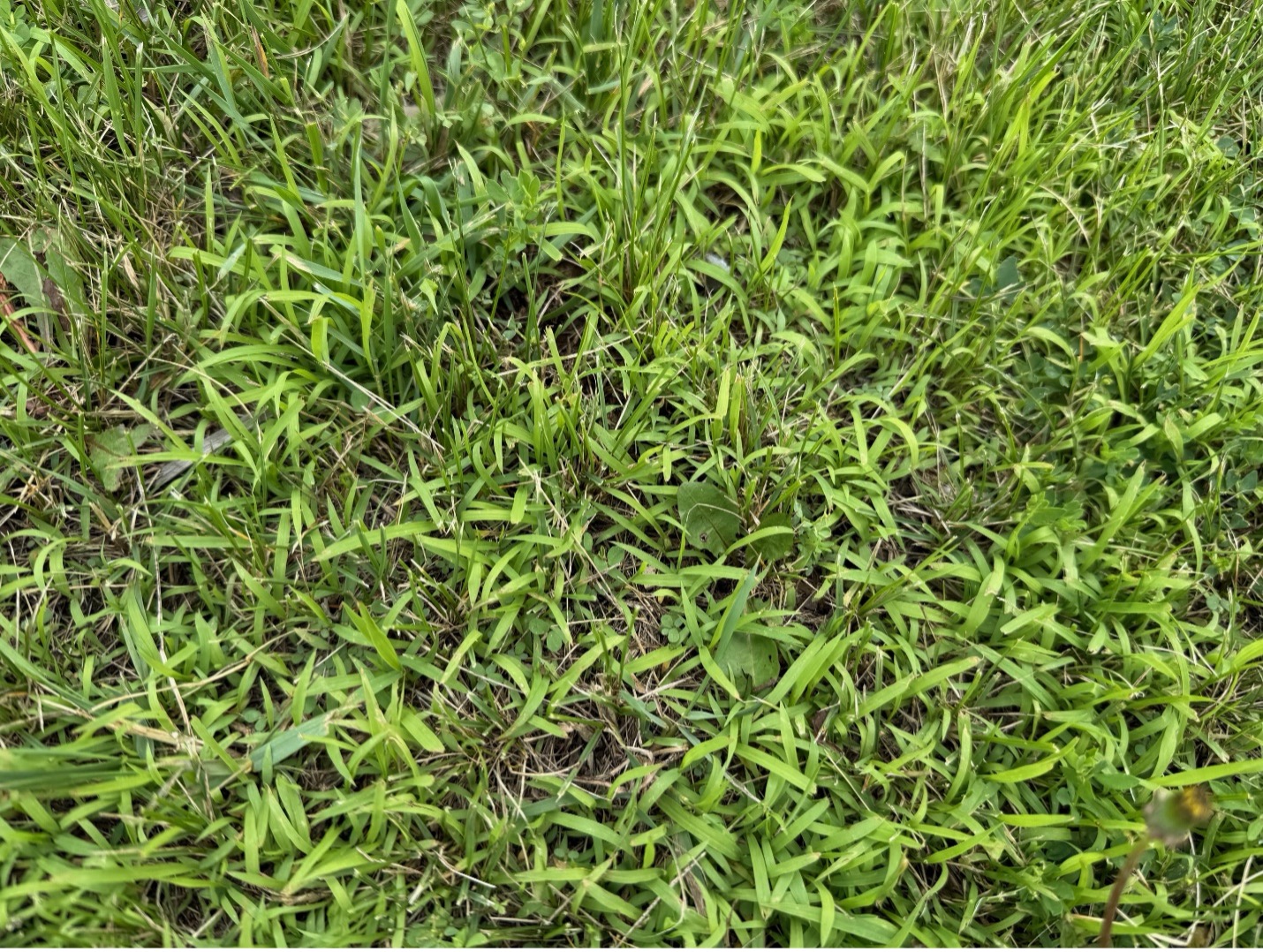
Overview of Crabgrass
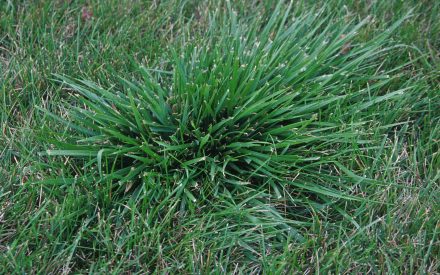
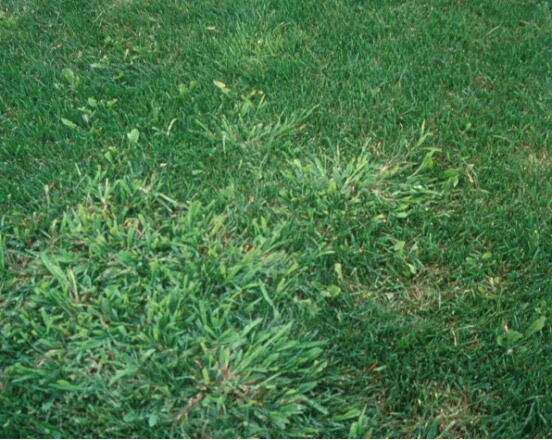
Large crabgrass (Digitaria sanguinalis) and smooth crabgrass (Digitaria ischaemum) are warm-season annual grasses commonly appearing as weeds in Wisconsin lawns. Large crabgrass features hairy leaf blades and sheaths whereas leaf blades of smooth crabgrass are mostly smooth. Both are collectively called crabgrass, having remarkably similar biology and identical management in lawns. Crabgrass appears as lighter green, coarse patches of weedy grass among desired lawn grass species, flourishing in warm summer weather and dying off as cooler weather of fall arrives. Since they have annual life cycles, all crabgrass plants die by season end and can only reappear in lawns the following season via germinating seeds.
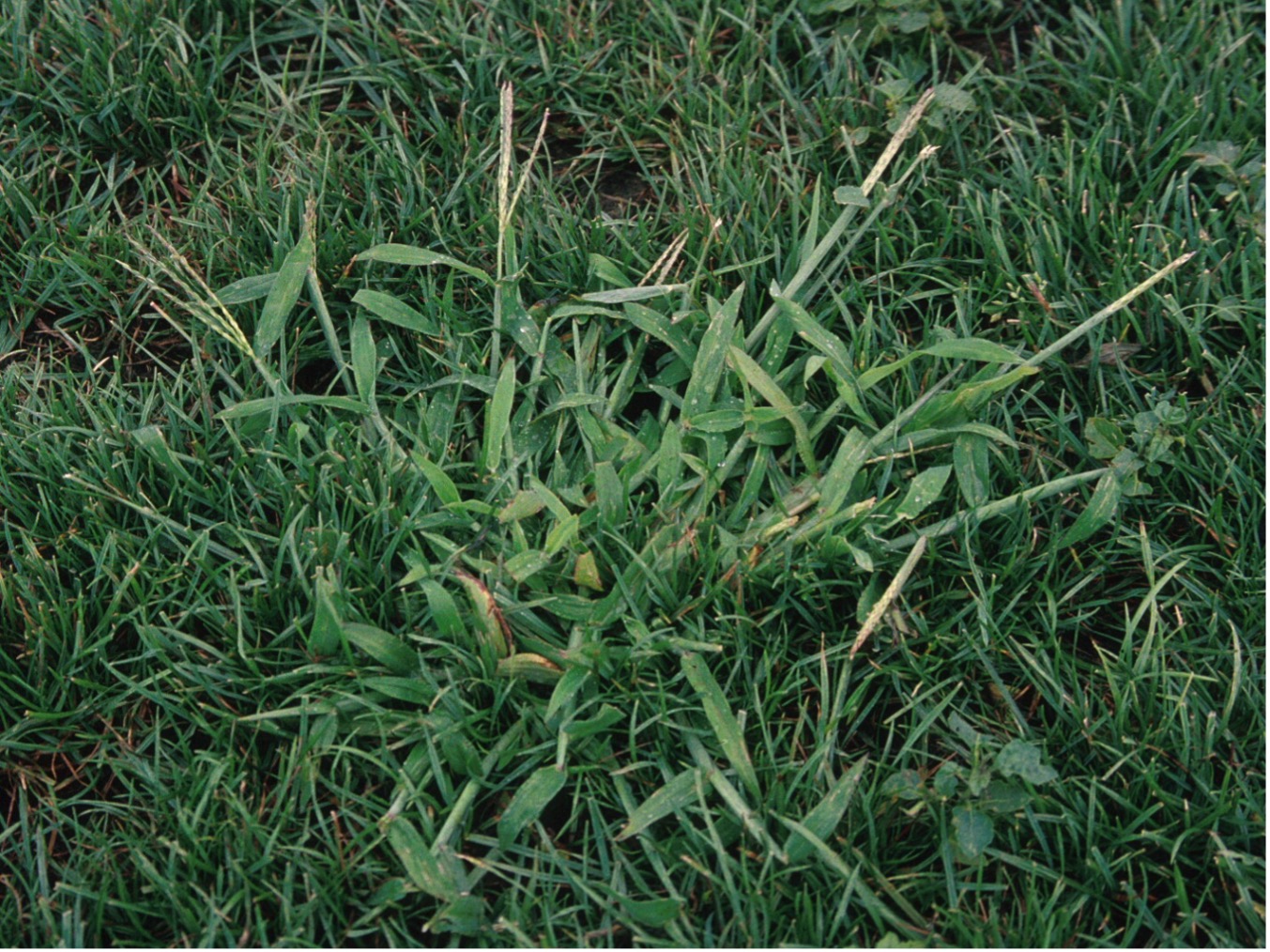
Crabgrass thrives in locations featuring full-sun, bare soil, thin stands of grass plants, and having moisture available. Typically, the most significant outbreaks occur in thin lawns in full sun rather than in the shade. Crabgrass also readily develops in areas where lawns are more prone to summer heat and drought stress, such as south or west facing slopes and locations adjacent to sidewalks, driveways, and parking lots.
Crabgrass Development
Soil temperatures need to warm into the upper 50 to low 60 degrees Fahrenheit range for several consecutive days to initiate crabgrass seed germination. Typically, this will not occur in Wisconsin lawns until May or June, depending on weather patterns and specific location across the state. Forsythia shrubs bloom often precedes crabgrass germination and can serve as an indicator for preemergence herbicide application timing. Crabgrass seeds will continue to germinate throughout early to mid-summer, but will cease by late summer (August).
In addition to warm soils, crabgrass seed needs high light intensity to germinate.
During warm, moist summer weather, crabgrass plants grow and develop quickly. Once established, crabgrass can tolerate dry and compacted soils, thus increasing in visibility among stands of cool season grasses in Wisconsin lawns. Crabgrass first appears as leaves emerging from a stem, called the leaf stage. As crabgrass plants develop, they advance into the tiller stage, which includes new stems arising from crowns of plants. Development within both leaf and tiller stages are noted by the number of each part visible (such as two leaf stage, four tiller stage, etc.). Abundant flowers and seedheads, often described as finger-like or fork-like in appearance, produce enormous amounts of seed that become sources of crabgrass invasions for years to come. In mowed lawns and other turfgrass stands, crabgrass plants readily adapt to being cut and produce seedheads below mowing height.
Crabgrass is sometimes confused with other weedy grasses appearing in lawns, including tall fescue and quackgrass. The major difference is both are perennial species, thus are managed differently than annual grasses like crabgrass. As perennials, tall fescue and quackgrass do not die in fall and will appear as established weedy grasses as lawns green up in spring, much earlier than crabgrass germinates and becomes visible in lawns. Refer to Perennial Grass Weeds in Lawns for more information on identification and management of perennial grass weed species in Wisconsin lawns.
Cultural Management of Crabgrass in Lawns
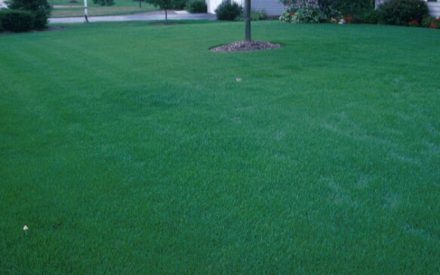
Since crabgrass plants readily invade thin turfgrass stands and bare soil in warm weather months, cultural practices focus on maintaining thick stands of grass that resist weed invasions and shade the soil. In addition, lawn maintenance scheduling needs to focus on avoiding creating any openings in the stand of grass or bare soil areas in peak crabgrass germination times of summer. Refer to Wisconsin Lawn Care Calendar for complete details and suggested optimum timing of various lawn care practices.
When crabgrass infestations become chronic lawn problems, underlying site conditions and cultural practices need to be assessed to determine why. Corrections made will in turn lead to healthier, thicker stands of lawn grasses which long-term are much less favorable for crabgrass development each season.
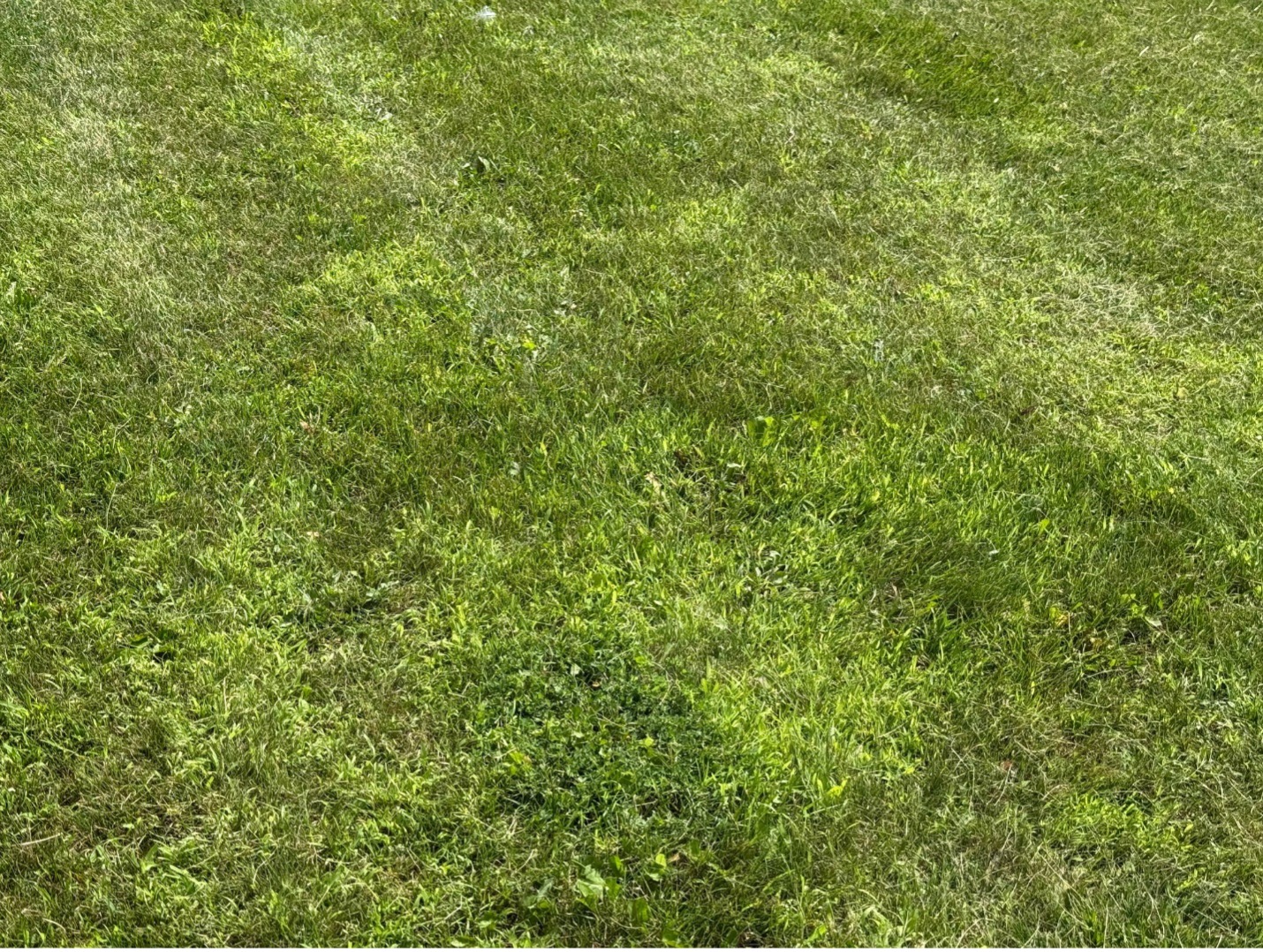
Management practices to reduce potential crabgrass infestation include:
- Raising mowing height is a simple yet highly effective tool to reduce crabgrass problems. Mowing too short is a common lawn care mistake that is a primary reason leading to crabgrass infestations. Mow as high as site factors allow. For most lawns, mow at about three inches height of cut.
- Mowing frequency should be based on grass growth. Follow the rule of one-third, which says not to remove more than one-third of the leaf blade each individual mowing. Return clippings to the lawn when mowing.
- Adequate nitrogen fertilizer on an annual basis ensures healthy, thicker lawns which resist invasions of not just crabgrass but about all weed species. Fertilize as recommended for the lawn species and the site conditions. Crabgrass prefers full sun lawns, which should at minimum receive nitrogen applications in late spring and early fall. Controlled-release nitrogen fertilizers are preferred over fast-release sources.
- Avoid frequent, light irrigation as it favors crabgrass. When watering lawns, water thoroughly to the depth of the root system. Watering should begin prior to lawns turning brown and going dormant under stress of summer heat and drought. Consider raising mowing height prior to onset of heat stress of summer weather, especially if the lawn will not be irrigated.
- Avoid establishment and overseeding practices prior to the onset of warm weather and peak crabgrass germination periods. Crabgrass readily invades bare soil associated with turfgrass stands disturbed in late spring or early summer. If possible, delay lawn establishment or renovation work until late summer, rather than spring, to avoid potential crabgrass problems. The same holds true for destructive practices such as dethatching.
- Soil compaction is a potential underlying cause of weed invasions in lawns. Core aerating lawns will help alleviate compacted soils and help reduce thatch. Core aerating is effective in fall or spring. Adequate soil moisture is necessary for optimum results when core aerating.
- Promptly remove emerging crabgrass plants as they become visible. Oftentimes only a few scattered crabgrass plants emerge in lawns, and these plants can be hand-pulled or dug out as they appear. Early removal prevents crabgrass from flowering and producing seeds.
Chemical Management of Crabgrass
Both preemergence and postemergence herbicides are available to manage crabgrass in lawns. Preemergence herbicides, sometimes referred to as crabgrass preventers, need to be applied to lawns prior to crabgrass seeds germinating and are the most widely used type of herbicide used for crabgrass management. However, there is no need to apply preemergence herbicides to your lawn if crabgrass has not been a problem previously. Home lawn products available in garden center outlets are usually preemergence herbicide combined with fertilizer, most often in granular form. Commercial lawn care services may apply preemergence herbicides as granular or spray formulations. Postemergence herbicides are applied to existing (already germinated and visible) crabgrass plants and are available as products to be sprayed on lawns.
Weather patterns of summer may significantly favor crabgrass development over cool-season lawn species. Under normal conditions, preemergence herbicides usually provide 90 to 95 percent control of crabgrass. It is critical to get uniform coverage over the lawn. Some crabgrass plants may still appear, however, especially in higher heat stress areas of lawns or areas that herbicide applications may have missed.
Excessive amounts of rainfall in early summer may favor a faster than normal breakdown of preemergence herbicide products, leading to crabgrass outbreaks in lawns as summer advances. An integrated approach of using sound cultural practices combined with preemergence herbicides provides optimum results when managing crabgrass.
Specific herbicide names are included below to help better understand products available in garden center outlets, or those used by lawn care services for hire. The common name, listed first in examples referenced below, are listed in the active ingredient section of pesticide product labels. The trade name, in parentheses after common names below, is found in large print on labels and usually the name used in selling the product.
Please note that other trade names may be available for herbicides listed other than examples mentioned in this article.
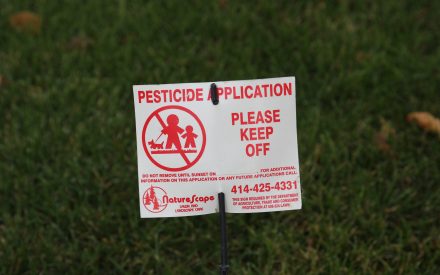
As with all pesticides, read and understand all information on product labels before purchasing, mixing, applying, and storing any herbicide intended for crabgrass management. The general guidelines provided here help ensure herbicide products perform as expected as crabgrass management tools in home lawns.
Preemergence Herbicides for Crabgrass in Lawns
Three herbicides that are the most widely used for optimum preemergence crabgrass control on lawns include dithiopyr (Dimension), pendimethalin (Pendulum), and prodiamine (Barricade). Dithiopyr also can provide early postemergence crabgrass control (discussed later). In addition, other preemergence herbicides can also be used for preemergence crabgrass control on lawns, including benefin (Balan), benefin + trifluralin (Team Pro), and bensulide (Bensumec).
Preemergence Herbicide Usage Guidelines for Crabgrass Control
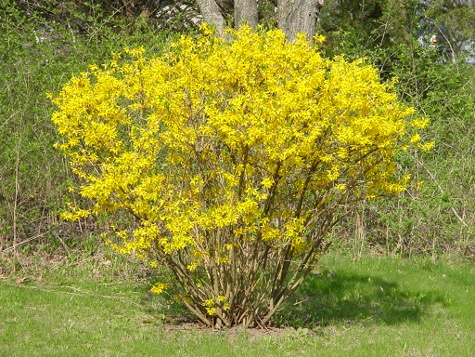
- Timing is critical, as these products kill germinating crabgrass seeds. As mentioned above, soil temperatures need to reach about 55 degrees F for several consecutive days, so these products do not need to be applied in early spring. Soil temperatures warm slower than air temperatures in spring. Forsythia shrubs dropping petals as they advance past full-bloom can be used as an indicator for planning proper application timing.
- Rainfall or irrigation after application is necessary to incorporate preemergence herbicides into the soil to work properly. During early season drought conditions, wait until adequate soil moisture exists prior to application. Lack of soil moisture is a common cause of poor crabgrass control when using preemergence herbicides.
- Avoid cultivation activities, such as dethatching, after application. Wait until late August or early September when crabgrass germination is no longer an issue.
- Unless stated otherwise on herbicide product labels, seeding cannot be done in conjunction with preemergence herbicide application, as germinating lawn grass seedings will be damaged. Wait until late August or early September to overseed lawn areas treated with most preemergence herbicides the previous spring. Preemergence herbicides that may provide short-term (up to 1 month) preemergence weed control when used in conjunction with seeding in spring include mesotrione (Tenacity) and topramezone (Pylex). See product labels for more details on proper use.
Another option for crabgrass control in lawns seeded in spring can be using postemergence herbicides (discussed below) targeting developing visible crabgrass plants that have germinated. - Apply at proper rates, as specified on product labels. Do not intentionally apply less or exceed application rates found on herbicide labels.
Alternative Non-Synthetic Preemergence Herbicide – Corn Gluten Meal
Corn gluten meal, a byproduct of corn processing, is considered an organic preemergence herbicide available and sold under various product names. Weed control results may not be considered satisfactory in the first season of use but tend to improve each subsequent year it is used on lawns. In addition to showing reduced crabgrass in lawns via preemergence activity, corn gluten meal contains significant amounts of controlled release nitrogen. Thus, it also acts as a lawn fertilizer. The recommended application rate for weed control (12 – 20 lbs product per 1000 square feet) results in between 1 and 2 lbs of nitrogen per 1000 square feet, which may provide between one-third or all of the nitrogen required for the season for a given lawn.
Postemergence Herbicides for Crabgrass in Lawns
There are several herbicides that can be used to manage existing crabgrass plants that germinate and develop in lawns during the growing season. These include dithiopyr (Dimension), fenoxaprop (Acclaim Extra), mesotrione (Tenacity), quinclorac (Drive), and topramezone (Pylex). Read product labels carefully regarding various stages of crabgrass plant growth each herbicide will provide control and ensure proper rates are used.
Postemergence Herbicide Usage Guidelines for Crabgrass Control
- In general, the smaller or less-developed the crabgrass plant, the better control will be. Newly emerging and exceedingly small crabgrass plants can be difficult to detect and identify in many lawn situations but are easiest to control with herbicides as compared to larger, more established weeds. Herbicide product labels provide guidance based on stages of crabgrass development (discussed earlier) and potential control to expect, using the number of leaves visible on the youngest plants and followed by the number of tillers present on larger crabgrass plants. Herbicides vary in effectiveness as crabgrass plants get older and not all postemergence products work once crabgrass has produced tillers.
- Good coverage of crabgrass plants is necessary for acceptable control. Direct spray application to target crabgrass plants and avoid herbicide drift onto non-lawn areas. Unlike preemergence herbicides that typically are applied over the entire lawn, postemergence herbicide applications can target just those areas with visible crabgrass plants.
- Postemergence crabgrass herbicides can be used on newly seeded lawn areas. Read product labels carefully to confirm and for proper rates and timing.
- Postemergence herbicides typically provide best results of crabgrass control with adequate soil moisture and moderate temperatures. Avoid applying when lawns are under drought stress.
- Do not apply when temperatures are expected to exceed 85 degrees Fahrenheit. See product labels for more information.
- Consider if using a postemergence herbicide is justifiable. Crabgrass plants that are small and early in their development are ideal targets for applying postemergence herbicides. Older, larger, well-established crabgrass plants that have developed seedheads are near the end of their life cycle, however, will be declining and dying shortly, making the practice of using herbicides debatable at that point. Herbicide effectiveness is also likely to be diminished on mature crabgrass plants.
Author: Bruce Spangenberg, Horticulture Outreach Specialist, UW-Madison Extension
Reviewed by: Doug Soldat, Turfgrass and Urban Soil Extension Specialist
Published: 04/2026