

Articles
Gardening Articles
Research-based horticulture information to help keep your plants and gardens thriving.
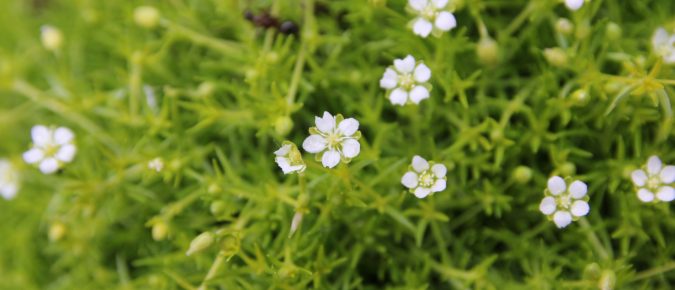
Irish and Scotch Moss, Sagina subulata and Sabulina verna
Irish or Scotch moss forms a luxurious carpet of green or gold, respectively, and make a great filler between flagstones or spilling over rocks. Not a true moss but a flowering plant, learn more about these plants in this article.
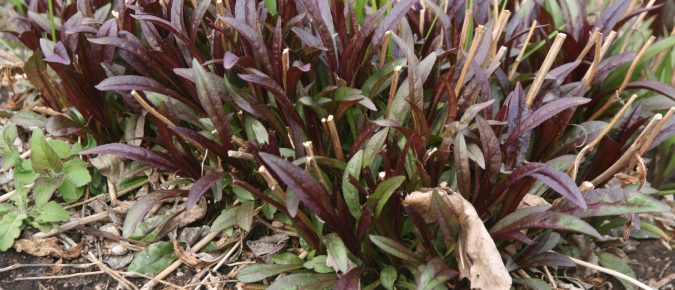
Foxglove Beardtongue, Penstemon digitalis ‘Husker Red’
‘Husker Red’ foxglove beardtongue features showy panicles of tubular white flowers and deep maroon foliage. One of few Penstemon species to thrive in humid climates, P. digitalis is a nice addition to landscapes. Learn more about this selection of this eastern North American native in this article
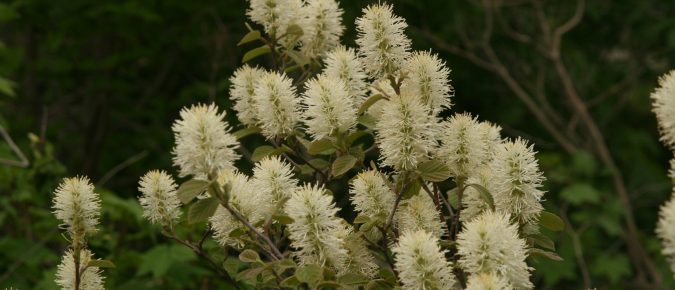
Fothergilla
Fothergillas are multi-season beauties grown as ornamentals well outside their original range. Learn more about these easily grown members of the witch-hazel family…
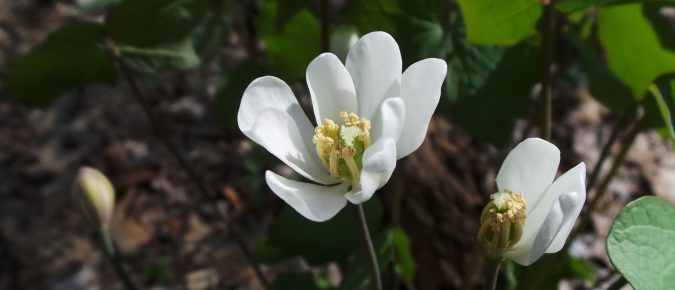
Twinleaf, Jeffersonia diphylla
With short-lived pure white flowers and curious-looking seedpods, this early spring bloomer named after a US President makes a great addition to native plantings or as a shady groundcover. Its common name of twinleaf comes from the interesting butterfly-shaped leaves. Learn more about Jeffersonia diphylla in this article…
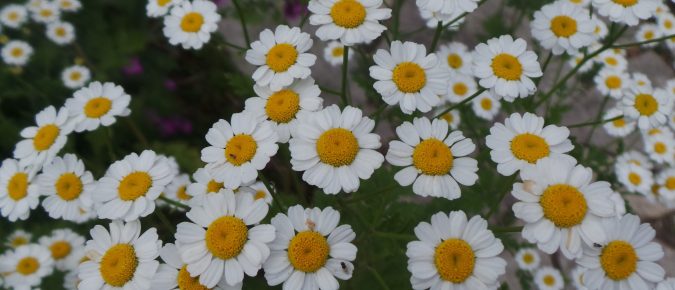
German Chamomile, Matricaria chamomilla
With attractive ferny foliage and eye-catching blooms, chamomile can be a nice addition to the ornamental garden or herb garden. This Eurasian annual is easily grown from seed for its yellow and white daisy flowers that are harvested to make chamomile tea. Learn more about Matricaria chamomilla in this article…
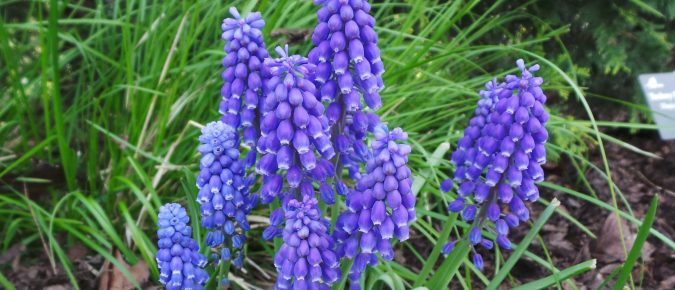
Grape Hyacinth, Muscari armeniacum
For a hit of intense blue in the garden in mid-spring, Muscari armeniacum can’t be beat. This small perennial bulb produces clusters of bell-shaped flowers that resemble bunches of grapes, giving rise to the common name grape hyacinth. Learn more about this European species in this article…
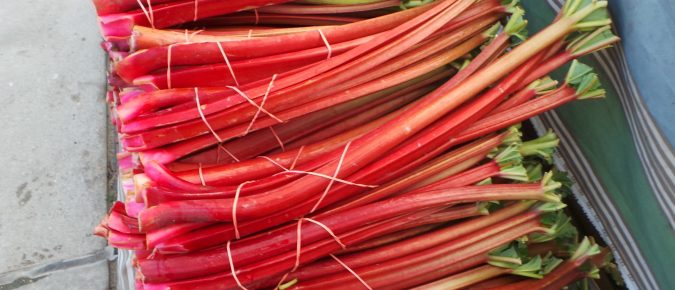
Rhubarb, Rheum rhabarbarum
Rhubarb is an old-fashioned perennial is very easy to grow and is an early season harvest from the garden. Rhubarb can also be used as an edible landscape plant. This article provides some history and how to grow rhubarb in gardens and landscapes.
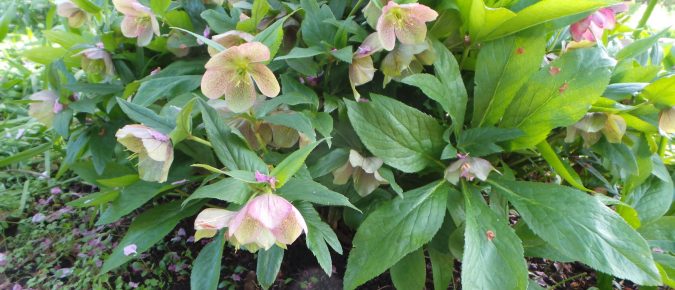
Lenten Rose, Helleborus × hybridus
Lenten Rose is pushing up its flower spikes and deeply divided, leathery, umbrella-like leaves in early spring with tulips and daffodils. The long-lasting sepals in an open, bell shape offer ornamental interest long after the seeds have developed. Learn more about this herbaceous perennial in this article.
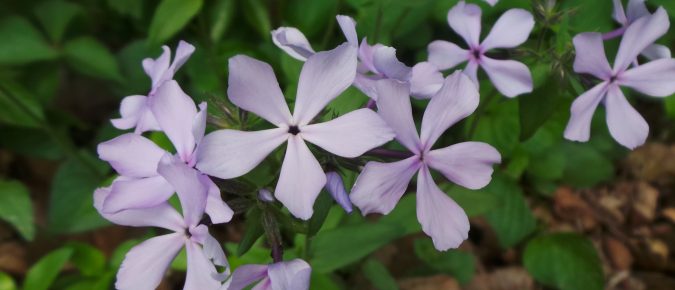
Woodland Phlox, Phlox divaricata
For soft blue flowers in partly shady spots in spring, nothing beats woodland phlox. This North American native thrives in dappled shade and moist, well-drained soils and it fits well in informal shady beds, rock gardens and wild or naturalized areas. Learn more about this pretty late spring to early summer bloomer in this article.
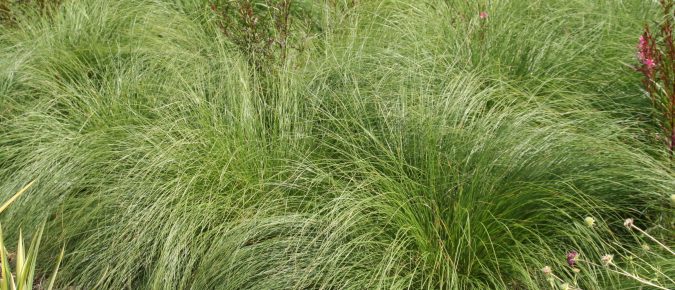
Prairie dropseed, Sporobolus heterolepis
One of the showiest prairie grasses, prairie dropseed (Sporobolus heterolepis) is frequently cultivated as an ornamental for its attractive fountain of fine textured, emerald-green leaves, delicate flower and seed heads, and colorful fall color. Learn more about this native ornamental grass that is a great addition to many landscapes in this article.
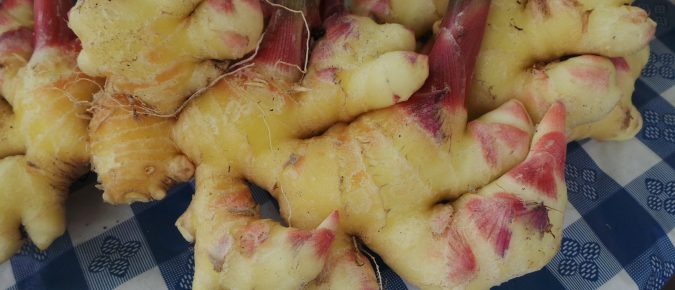
Ginger, Zingiber officinale
Many species of tropical gingers are grown for their flashy blooms, but the plants of culinary ginger aren’t particularly ornamental. Instead, culinary ginger is grown for the aromatic rhizomes which are the source of the hot, pungent flavor enjoyed in ginger ale, gingerbread and many Asian foods. Learn more about this tropical plant which is surprisingly easy to grow in containers…
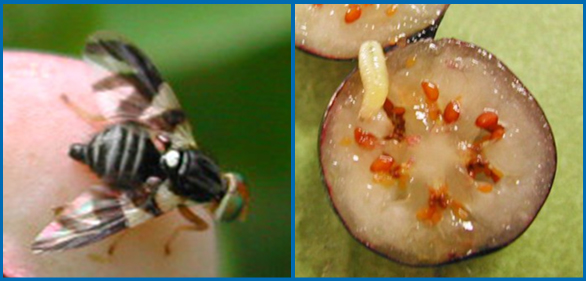
Blueberry Maggot
Blueberry maggot feeds inside blueberry fruit causing it to become soft as it develops. This factsheet describes symptoms, the insect’s lifecycle, monitoring strategies and management methods.