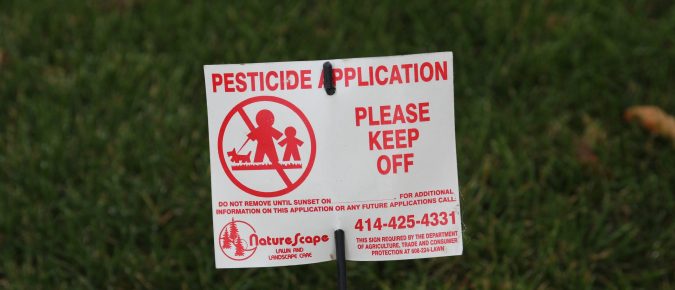
Deciding whether to care for your lawn yourself or hire a professional service is a significant decision for any homeowner. It requires an assessment of your lawn’s health, your available time, and your budget.
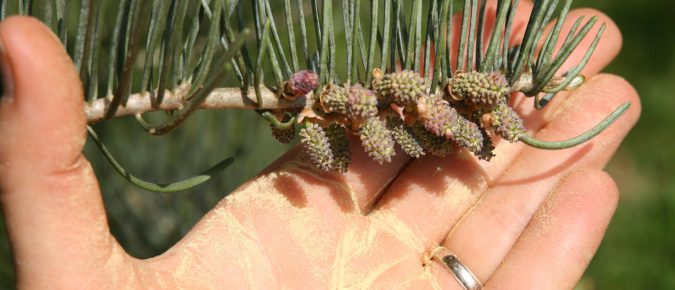
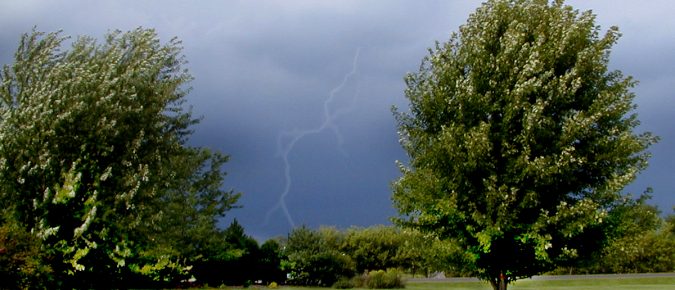
If you are concerned about the health or safety of trees located on your property, you may consider reaching out to a certified arborist to help with management or removal.
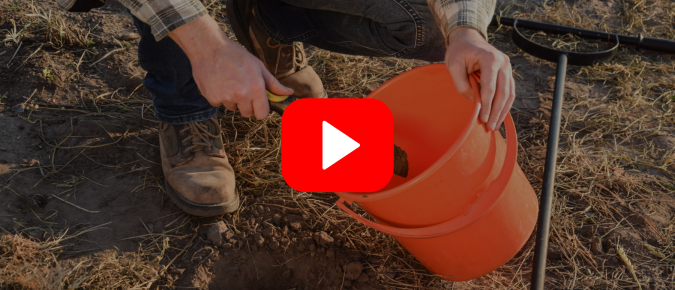
In our rapidly changing climate, a calendar date is not a reliable method to choose when to plant your vegetable garden. A better method to determine when to put seeds in the ground is to test soil temperatures.
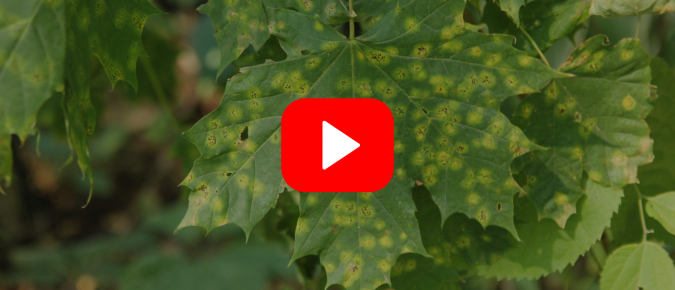
This webinar introduces the basics of plant disease, exploring a variety of signs and symptoms like spots, rot, discoloration, and deformities across many plant types. It also provides information on how to collect quality plant disease samples and submit them to a professional lab for diagnosis.
This webinar offers clear, step‑by‑step guidance on how to collect, mix, and prepare samples before sending them to a lab. Learn the essentials of soil testing for home gardens, lawns, and landscapes.
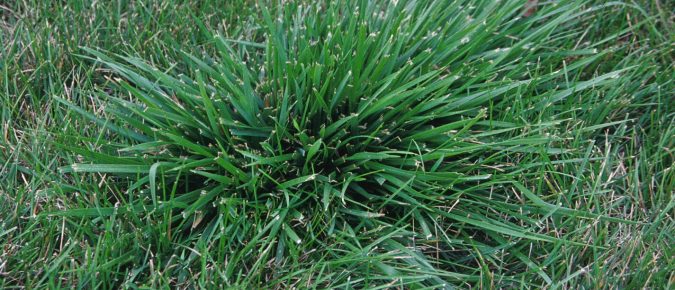
Perennial grasses can be troublesome weed problems in Wisconsin lawns. Common species include tall fescue, creeping bentgrass, zoysiagrass, quackgrass, and nimblewill. Learn more about the biology and management of each, both with and without herbicides, in this article.
In this webinar, learn why your gardening and landscaping practices can bring biodiversity to your yard while cutting back on lawn mower noise, pollution and yard waste.
As Wisconsin experiences more extreme heat and drought, knowing how your plants are affected and what you can do in these situations will help you make decisions about your gardening.
When Wisconsin experiences extreme precipitation, it is important to know how your plants are affected and what you can do in these situations so you can make informed decisions in your garden.
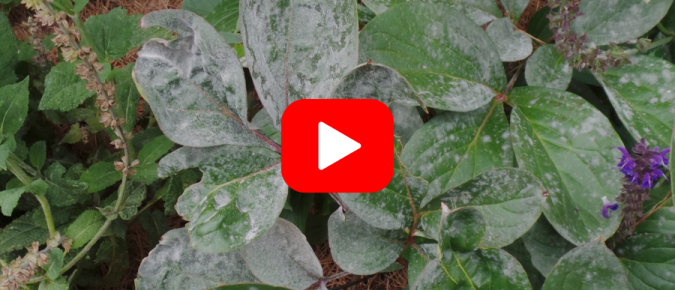
This webinar debunks common home remedies for powdery mildew, including milk, vinegar, hydrogen peroxide, compost tea, and garlic, and shares effective strategies for managing this common plant disease!
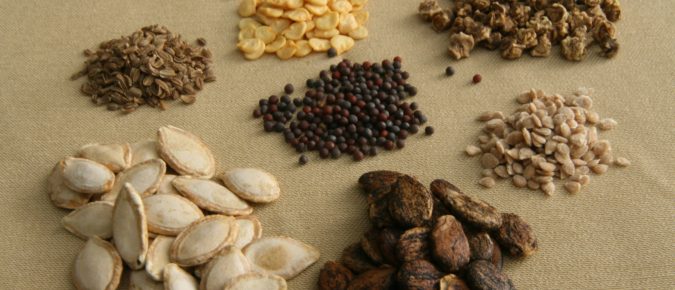
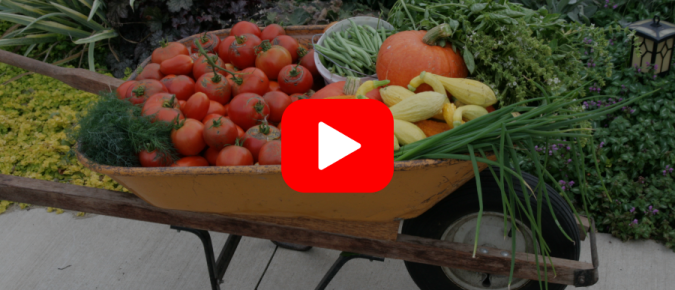
Saving seeds is a great way to keep your favorite garden vegetables for next year, but there are some things you need to know before you plant.
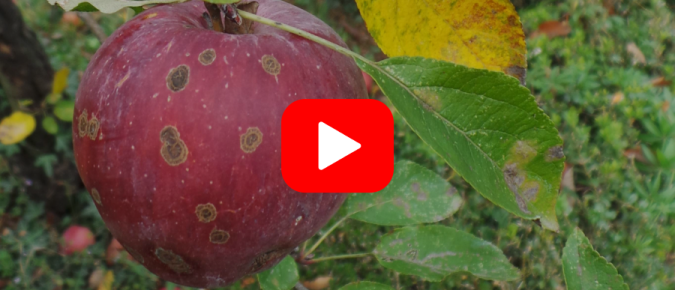
Learn how to identify and manage the most common apple pests found in Wisconsin backyards—including plum curculio, codling moth, apple maggot, and apple scab.