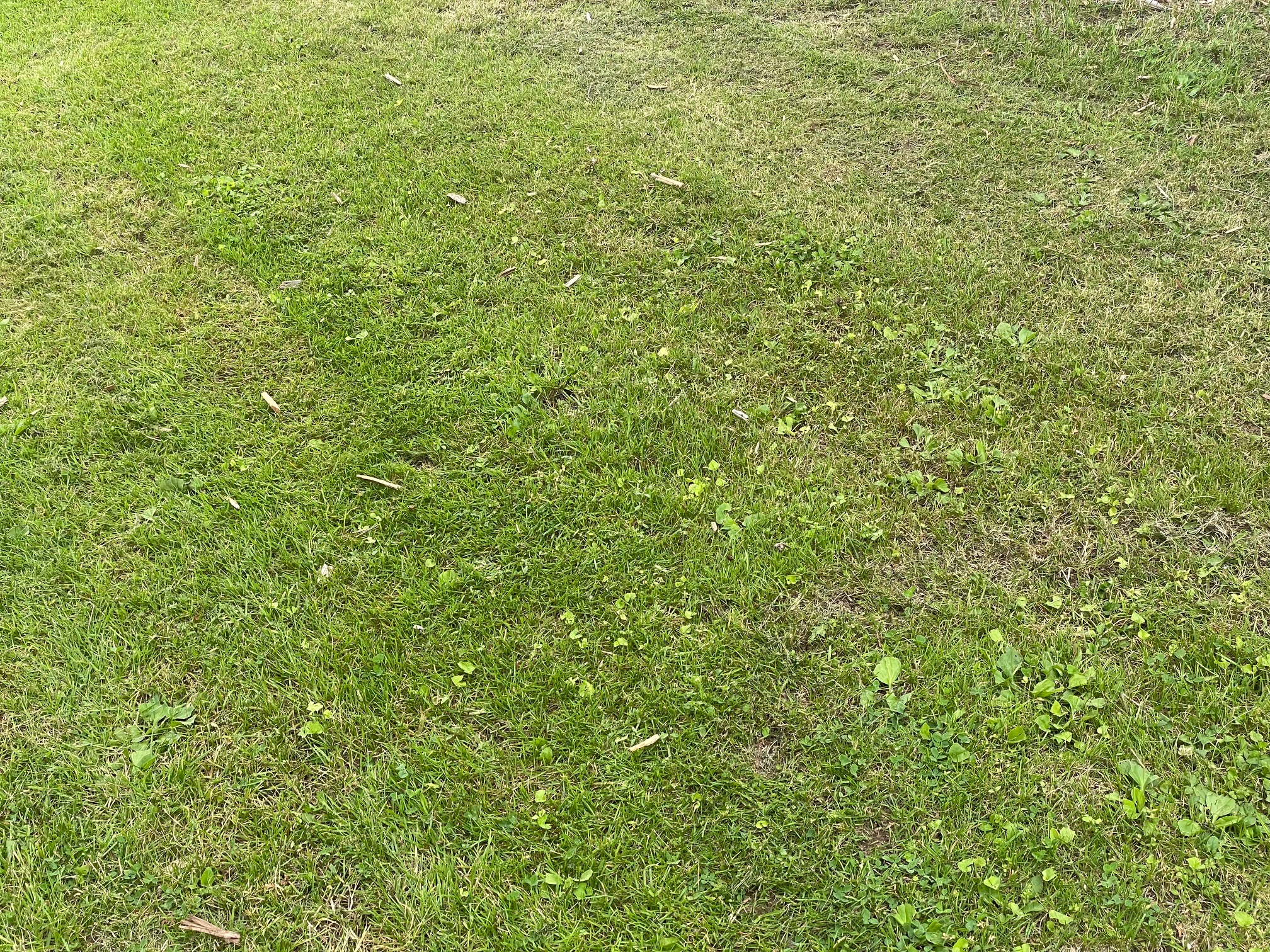
Fall is a key time for many maintenance activities that support a lush, healthy lawn. Whether you’re establishing a new lawn, reseeding bare patches, managing insect or disease problems, or controlling weeds, this webinar covers everything you should know before getting started.
Because of cooler temperatures, more consistent soil moisture, and less weed pressure, you can mow lawns shorter in fall to allow sunlight to reach the crowns of the grass plants. Avoid overwatering lawns in the fall, as excess moisture can lead to fungal problems.
Learn all about lawn fertilizer requirements and recommendations for this time of year, core aeration and overseeding, the basics of weed control, and more.
▶ Watch
Additional Resources
Video Transcript
0:01Hello, everyone, and thank you for joining us today. I’d like to introduce Paul.
0:08And Paul, go ahead and take it away. All right, thanks, Darren, and thanks everybody for tuning in today.
0:18So we’re going to talk about lawns and lawns in in the fall. Let me go ahead and bring up bring up just a few slides to talk about for a few minutes before we get to some questions.
0:29And I already see some questions in the chat. I know at least one of those questions we’re gonna answer in these slides. So that’s always nice.
0:35All right, so what do we do about lawns in the fall? The good news is that fall is the absolute best time of the year to work on your lawns.
0:44It’s you know, there’s cooler temperatures, there’s more consistent soil moisture, there’s less weed pressure from annual weeds.
0:52So you know, crabgrass, there’s really no new crabgrass germinating in the fall.
0:58So for those reasons, fall is really a great time of year to work on the lawn. Unfortunately, by fall, most people are sick of their lawn and so it kind of turns into the time of year that
1:09people are doing the least amount of work, but it’s actually the best time of year to go ahead and work on the lawn.
1:16So let’s just touch on a couple of the major topics related to fall lawn care.
1:22And the first one we’ll touch on is turf grass fertilization. All right, so we mostly focus on nitrogen when we talk about turf grass fertilization.
1:32The other two numbers, you know this, the numbers on the fertilizer label, the first one is nitrogen, the middle one is phosphorus, and the third number is potassium.
1:41Turfgrass lawns are very rarely deficient in phosphorus and potassium. So we typically rely mostly on nitrogen applications to drive turfgrass growth and fall is a great time of year to, to fertilize.
1:55Typically we we’ve kind of changed recommendations a little bit on timing of fertilizer. And this is due to some of the research of my colleague here at Wisconsin, Doug Soldat.
2:05You know, we used to have sort of the four summer and fall holidays for fertilizing your lawn, right? So you’d start with Memorial Day, July 4th, Labor Day, and then Halloween would be the final one.
2:16We’ve kind of backed away from recommending fertilization at that Halloween time because most of the fertilizer is not really taken up by the turf because it’s not growing at that time of year.
2:26So now we kind of emphasize that Labor Day application. So anywhere between 2 to 3 lbs. of nitrogen per 1000 square feet per year.
2:37And really that, that Labor Day application is, is the most important one of the year. So if you’re, if you’re one of those people or if you talk with other people and they’re only going to fertilize once a year, which from host
2:50lawns is, is, is probably sufficient depending on the, the, the environment there and the turfgrass species there, that that Labor Day application is really the most important one.
2:59It’s going to, it’s going to allow for root growth because the soil temperatures are, are much warmer than they are in the spring and the air temperatures aren’t quite as hot as they are during the summer.
3:09So the turf is under less stress than that. You know that or that Midsummer application. So fertilization and in between, you know, typically 1/2 a pound of nitrogen per 1000 square feet up to
3:211 LB of nitrogen per 1000 square feet right around Labor Day is, is the most important fertilization application of the year.
3:29You can still put out that one later in the fall, but most of it is really not doing a whole lot of benefit for the turf.
3:36It’s really, it’s just kind of held in the soil and then will be taken up the following spring rather than taking up that fall.
3:42So that’s why we’ve kind of gone away from recommending that that Halloween application and
3:48more focused on Labor Day application for really driving strong growth, root growth during the fall.
3:55All right, on to mowing, right. So, you know, again, people are starting to tune out their lawns and you know, my own lawn is pretty long right now as we start to prepare for the semester here at Madison.
4:07But it’s obviously we want to keep up with our mowing throughout the fall.
4:13One recommendation that I’ve heard a lot in the past is that you want to mow your last mowing really short.
4:20You know, your last mowing of the year, mow really short, so that you don’t have really long turf that lays over and results in snow mold.
4:30And I don’t recommend that. I’ve never seen any evidence that’s that really prevents any sort of significant snow mold development.
4:39And it can actually harm the turf because what you’re doing is, is you’re sort of shocking the turf when you remove all that green leaf tissue.
4:48So you might actually remove some of the energy the plant has created to survive the winter.
4:54So you can actually increase the, the damage that might occur to the lawn over the winter. The other thing that, that you do when you mow really short for that last mowing is that you open up the canopy and anytime you open
5:07up the canopy and, and see more soil underneath, you’re going to be more susceptible to weed encroachment now, not this fall.
5:15You wouldn’t. The weed encroachment would occur the following spring, right? So you if you mow really short, you’re going to have more exposure to the soil that sunlight next spring will
5:25be able to hit that soil easier and that’s going to lead to the germinate to increase germination of various weed seeds.
5:32So that’s why we do not recommend mowing short for that final application of the year at the same time that you don’t want to just let it go, right.
5:41So, you know, if it does get really long, 4, 5, 6 inches, that turf can
5:46then lay over trap moisture, trap heat and lead to increases in in Snow Mold development.
5:52So my recommendation is just whatever you put it out all year, just mow it that way all through, through the end of the season.
5:59So typically for most turf grass species in Wisconsin, in most situations, anywhere between 2 -1/2 and 3 -1/2 inches.
6:06And just do that all year long. All right, weed control, depending on the weeds, Fall is the best time of year to control perennial weeds.
6:19It’s completely pointless time of year to control annual weeds, right? So something like crabgrass, an aggressive annual weed, most annual weeds in Wisconsin die at the first hard frost.
6:31So you know, at this point in time, it’s pretty pointless to go out there and control something like crabgrass.
6:37But perennial weeds especially difficult to control perennial weeds. Fall is the best time of the year to control those weeds.
6:47And so when we talk about difficult to control weeds, we talk about ones that don’t typically respond very well to various herbicides during the spring and the summer.
6:57So creeping Charlie is typically the best example of this or the number one sort of weed question that that we get.
7:04But other ones like Clover and plantain and Violet, these are these are weeds that don’t typically respond readily to herbicide applications.
7:13But if you make those applications in the fall, the control increases pretty significantly.
7:19And the reason for that is…. most herbicides translocate herbicide (MISSPOKE)
7:25sorry, most weeds translocate herbicides upwards in the weeds.
7:31So they’ll absorb the product, and they’ll translocate them, but only upwards. They don’t move them down very effectively.
7:38But if you apply the herbicides in the fall, the weeds are getting ready for winter.
7:44So what they’re doing is they’re recognizing that the day length is getting shorter, the temperature getting colder, and they’re going to start to move there, you know,
7:52their sugars and the energy that they’re producing with their leaves down to their underground storage structures, you know, their tubers and their rhizomes and that sort of thing.
8:01And if you apply an herbicide at that point in time, it will actually drag the herbicide
8:06down with the other materials that they’re transporting and provide a more complete control of those weeds.
8:12So, if anybody is struggling with creeping Charlie control or Clover control, applying the herbicide, the same herbicide that they would apply earlier in the year, typically the three-way mixture
8:24of 2,4-D, dicamba, and MCPP, just applying that in the fall after the first hard frost of the year really seems to increase the level of control of those particular weeds.
8:36So again, great time of year to control perennial weeds, terrible pointless waste of money for annual weeds.
8:42So know the type of weed that, that you’re trying to control and then just general, general work, right?
8:49Lawns can be beat up during the summer for a lot of the state. This year, it was, it was a pretty dry summer.
8:55So we saw some damage from various drought stresses. We didn’t see much in the way of diseases this year.
9:02We didn’t see a whole lot in the way of insects this year, especially grub damage. And so, but there was quite a bit of drought damage out there.
9:10So fall was the best time of the year to do any sort of seeding or repair work. And when we talk about fall, we’re talking about typically the first half of September.
9:19So this is a well-timed webinar. Get out there and do it in the next couple of weeks. Really, if you’re in the southern half of the state, you probably have until, you know, early October to do a lot of this work.
9:30If you’re in the northern part of the state, you know, you’d want to have it done by certainly the middle or you know, latter portion of September.
9:40Really the goal is to, to get the, the plants to come up and germinate and mature for a solid four to six weeks before, before the snow comes.
9:48And given that some bluegrasses take two to three weeks to just to germinate, that can those plants can really take some time to mature.
9:56So when we’re talking about any sort of seeding work, the first part of September is ideal because again, we have those consistent soil temperatures.
10:06Typically we’re getting more regular rainfalls, and we don’t have the really hot conditions that can be really stressful for new seedlings.
10:14It’s also the best time of the year if you’re going to do any sort of aerification. So if you have compacted soils or a really thick thatch layer and you’re going to come in and aerify, the first part of September is typically the best time of year to do that for the same reasons I just mentioned, right?
10:27The soil temperatures are warm, there’s moisture, the plants are typically a little less stressed and also there’s fewer weeds that germinate in the fall.
10:36We talked about that earlier with annual weeds. You know, when you’re aerifing, you’re kind of poking all these holes, holes in the soil and you’re making these nice little beds for weeds to germinate.
10:46And so in the spring, aerification can lead to increased weed encroachment depending on the situation.
10:52But in the fall we typically see that much less because there’s just fewer weeds that germinate in the fall.
10:58And you know, we always talk about with various people if they want to switch to a different turf grass species or
11:05if they want to switch to a more sustainable turf grass species that’s more shade tolerant, more drought tolerant, requires less fertility.
11:12Fall is a great time of year to convert or transition to that really
11:18the best time of year to do any sort of significant sort of repair or seeding work.
11:24All right, so that’s all the, the information that I have. I just, I also want to mention that we have a turfgrass diagnostic lab.
11:31So this is separate from the lab that Doctor Huddleston runs, the plant disease diagnostic clinic.
11:39Basically Doctor Huddleston’s lab does all plants except turf, right? So turf is just kind of a unique odd animal out there.
11:47And so we have a separate turfgrass diagnostic lab. And this is not just for diseases can be for any sort of ailment to your turf.
11:55And here’s all the information website is on there. Kurt Hochmeyer is, is the manager of that, of that diagnostic lab.
12:02It’s, it’s housed within my lab, but Kurt Hochmeyer runs the, the, the diagnostic lab for turf on a, on a day-to-day basis.
12:09So a great resource if you’re struggling with any sort of turf issues. We’ll do weed ID, grass ID, insect ID as well.
12:16So a good resource. And, and here’s my information. If I don’t get to your question today or if you have any follow up questions, please feel free to
12:26go ahead and send me an e-mail, give me a call and I’d be happy to chat through your question with you.
12:33All right, well that let’s go to questions. All right, Paul, why don’t we start with what do you do about areas that are compacted clay soil and were trying to grow lawn grass?
12:45Yeah, that would be aeration, yeah. Going with an aerator, you know, and, and typically you’ll want to get the ones that’s that are the actual sort of machines that you
12:55would walk in front of or that that a tractor would drag the sort of the big drums that just have the spikes on them.
13:02Those don’t do any significant sort of, of traffic or compaction reduction.
13:08So normally we would, we would recommend that you rent or hire a service to come in with the
13:13machine that’s going to have the hollow time that’s going to pull out the, the, the, the chunks of soil.
13:19Clay soils are hard because they compact relatively easily. So you know, one thing we would often recommend in that situation is after the aerification is done
13:29to add in some sort of compost or organic matter which will increase the pore spaces in that soil.
13:35OK, we got two questions that are kind of related to each
13:41other and it’s the timing between applying herbicide and fertilization before doing receding.
13:47Yeah. So that’s going to be dependent on the herbicide. So certain herbicides are pre have both post emergent and pre-emergent activities.
13:58So like the classic crabgrass pre-emergent pendamethylene the orange product that you would
14:03buy as sort of the first step in the Scott’s four step program from the hardware store.
14:09That one is a is a pure pre-emergent and it will prevent germination of all seeds, weeds, and turf grass for multiple months.
14:17So if you apply that in in April, you probably wouldn’t be able to seed until the very end of summer at the earliest and maybe into the fall.
14:24But if you did apply in, in April, you would be able to seed now. But other products have pre-emergent activity as well.
14:34So a lot of times it’s less than pendamethylene, you know, might be 4 to six weeks, something like that.
14:40Something like glyphosate though, you know, if you spray Roundup, that one has very little pre-emergent activity. You know, you can, you can typically seed in a glyphosate.
14:49I would probably give it a week, but you can realistically seed into an area that you treated with glyphosate, you know, after about 3 or 4 days.
14:57There’s very little pre-emergent activity with that product. And the same thing with the fertilization of the timing after fertilization for reseeding or before.
15:07If it’s, if it’s a straight fertilizer and there’s no herbicide in there, there’s no issues with having to wait. You can, you know, often times we recommend putting down a starter fertilizer, which just has more phosphorus.
15:16That’s the only thing that makes a, a starter fertilizer different than a normal fertilizer is, is more phosphorus.
15:22But normally, normally we recommend putting a starter fertilizer down with a seeding project. So there’s no issues with fertilization and waiting to see as long as there’s no herbicide mixed in with it.
15:35I got a couple of questions about Clover. One is if you have Clover in your lawn, does it produce enough nitrogen to feed the grass with no additional fertilizer?
15:45And could you explain your reason to consider Clover a weed? Yeah, that’s, that’s a great question.
15:53And of course, a weed is a philosophical definition, right? So it’s just a, a plant that is that is out of place.
16:00So the as far as Clover and provided enough nitrogen for the
16:05lawn, if it is interspersed throughout the lawn, it will provide enough nitrogen.
16:11And where Clover becomes undesirable to certain people is, is when it’s in clumps scattered around.
16:20And so where the clumps are, and we’ve seen this before, if you have a clump of Clover, typically the grass is greener around that clump of Clover than grass not surrounding that, Clover.
16:29So if you know, if you just had clumps of Clover here and there, that wouldn’t provide enough nitrogen for the entire lawn. It would provide enough nitrogen for the turf surrounding the Clover, but not for the other areas.
16:40So there’s actually, you know, not to get too far off topic here, but if you look at, you know, if you looked at lawn seed
16:47mixes pre-World War 2, they all contained Clover in there because there was no, you know, there was no synthetic fertilizer industry at that point in time.
16:55So the Clover was in there to fertilize, fertilize the lawn. And so after synthetic fertilizers became widespread and commonplace, then clovers were sort of taken out and they’re starting to come back a little bit.
17:07You know, you can get a, a turfgrass micro-Clover mix and the Clover leaves are smaller
17:14than sort of a traditional white Clover and so they blend into the yard much more effectively and they still produce nitrogen.
17:22So if you have that kind of micro-Clover turfgrass seed mix, it appears very uniform, which is which is
17:28the problem that most people have with traditional Clover is that it’s non uniform and it provides the nitrogen.
17:35So it looks, we have some test plots here at our research facility and they look, they look great. You know, one other concern with that Clover then is that micro-Clover is then you couldn’t control other weeds that would come in.
17:46So if you want the Clover but you don’t want say creeping Charlie or dandelions, if you would go with spray and herbicide to kill those other ones, you will kill the micro-Clover as well.
17:54So that would be one concern. So someone has got some a Moss issue in their lawn and they’re wanting to use a, a Bryo-cide to kill the Moss.
18:07They’re wondering if, you know, can they recede safely into those products? But maybe a bigger issue than just removing the Moss.
18:16Yeah, Moss is, is Moss is almost universally in response to shade, too much shade for the turf that’s there.
18:24So Moss does not kill turf. Moss doesn’t produce anything that will kill any turf. Moss just is opportunistic when turf thins out due to shade.
18:33So if you go ahead, you can you can apply some of those products to buy from the store and it’ll brown out and dry out the Moss.
18:39But the Moss is just going to come back unless you change the environment. So either increase the sunlight, increase the air movement, or put a different plan in there.
18:47Sometimes that might be a more shade tolerant turf or depending on the degree of shade you might have to go with the ground cover or something like that.
18:54But there’s no pre-emergent activity with Moss removal products. It’s just normally the Moss comes back pretty quickly because it’s an environment.
19:01It’s not conducive for the turf. All right, question on large mushrooms in the lawn and what you can do about them.
19:12Pick them. Yeah, there’s nothing you’re going to go in and do the good. The good news is most, most mushrooms in, in yards are not toxic to, to pets or people.
19:23Every once in a while, there’s one that comes up that can be toxic, but most mushrooms in the yard are not toxic.
19:29So it’s, it’s more of an aesthetic issue. Normally the mushrooms come up from, you know, if there was a tree that was there that was cut down or something in the, in the root system is decaying over time and we see the mushrooms come up from there.
19:42But yeah, there’s no product to apply or anything like that. Just kind of pick them as they come up.
19:51All right. So your thoughts on mulching leaves versus raking and bagging?
19:57Great question. Mulch, mulch away one caveat there is, is you’ll want to mulch
20:04and integrate the leaves so that they are in the turf canopy.
20:10They’re not on top of it. So we actually have a study that we’re going to implement. This upcoming fall that’s looking at, you know, thickness of the mulch leaves and kind of what impacts it has on the turf.
20:23Past research has shown that, you know, if you mulch those leaves in, it adds nitrogen, it adds organic matter to the soil, provides A healthier soil, which results in a healthier turf.
20:32The problem is… is if you know, we if we splutter (choke out) the turf, right. So if you’re going to mulch the leaves in, that’s a great idea.
20:40Keeps the leaves off of the curb, which really adds a lot of phosphorus to the watershed.
20:46There was a study done by sponsored by the Clean Lakes Alliance here in Madison that showed that about 80% of the phosphorus entering
20:55from the urban part, the non-agricultural part of the lakes here in Madison was from tree leaves placed in the street in the fall.
21:04And so that can be a, you know, keeping those leaves off the curb and mulching them into the lawn is a great way to keep that phosphorus from running into the watershed.
21:11But just make sure that you see turf grass leaves poking up through the through the tree leaves.
21:17If you mulch your leaves and you can’t see any grass leaves coming through there, you’re creating an environment that’s going to be conducive for smothering the turf and killing it over the winter.
21:26But I love mulching leaves. Yeah, great. Thanks Paul. I’m gonna circle back to some aeration and seeding questions because we had quite a few questions about that.
21:37So I know you mentioned about aerating. Is it best to just hire somebody to do it or can people do it on their own?
21:45Yeah, I mean, most hardware stores or co-ops will have aerators that you can rent.
21:51So aeration is one of the more expensive services that most lawn care companies provide.
21:59So again, it’s just getting to your comfort level and what’s your, what you want to spend. But most, most hardware stores are most, you know, places that rent equipment will have aerators that you can rent and those are perfectly fine.
22:13Again, I would go with the ones that have the hollow tines that actually kind of a walk-in front of machine and not just a drum that you pull behind a tractor.
22:20Those typically don’t provide much benefit. So and you can you comment on the frequency of how often someone should aerate their lawn?
22:29Yeah, I mean, that’s you don’t need to aerate every year. It’s kind of you would aerate for two main, I guess I’ll say 3 reasons.
22:36One reason is for soil compactions, right? So if your soil is really, really hard, so if you have a screwdriver and you try and poke it in that in that yard and you can, you have to work really hard to get the screwdriver in there.
22:47That’s a good indication that you have some compacted soil, and it might be good to aerate and get some more oxygen flow in there.
22:55The other reason is for really thick thatch layers. So thatch is sort of a layer of old stems that can accumulate over time in in a turf grass lawn.
23:07Not all lawns, but some lawns, especially ones that might be over fertilized or formally soded, can have some thick thatch layers.
23:14And the problem with a thatch layer is one, They can harbor a lot of fungi, so they can harbor a lot of fungal diseases.
23:20And the other problem with thick thatch layers is that they can, they can also be a little squishy,
23:25but more problematic is that they can trap a lot of roots up in the thatch layer.
23:31So you don’t get a lot of deep rooting. And then your turf is not really that resistant to drought. You have to kind of it, it dries out very, very easily.
23:38So those are those are some reasons why we want to reduce a thatch layer. And the third one is, is just kind of improve an over seeding or a reseeding operation, right.
23:47So if you kind of want to open up some more soil to get some new seed in aeration is, is one way to do that.
23:53So someone would aerate first and then go ahead and reseed after that. One more seeding question there was about what about seeding in March?
24:01If you’re throwing seed on top of the snow, would that work? Well, it could work.
24:07It’s you’re going to have less success and because the reason is it’s going to germinate slower because the temperatures are colder, especially, especially the soil temperatures, right.
24:17It takes a long-time spring for our soil temps to really warm up to A to a point where the grass is germinating quickly.
24:25It can…, you can do it. You’re also going to be kind of at the mercy of sort of where the snow melts and make take the seeds.
24:31So you don’t have a lot of control. But sod farmers, actually, they seed into snow. You know, it’s not uncommon for sod farmers when they’re seeding a new crop of, of, of turf, they can put that seed down in the snow.
24:43But for, for most homeowners, I wouldn’t recommend putting the seed down in the snow. You just don’t have a lot of control over where it’s going.
24:50Somebody asked if you have to roll a lawn after receding. No, no. I mean you; you’ll want to get some sort of seed to soil contact.
25:02So if you put this, if you put the seed down, you can just throw it on the top. You’ll want to do something to get some soil come into close contact.
25:10Normally what we do in our research when we’re seeding is we’ll just go over it with a plastic rake.
25:17You just kind of just kind of walk over it once with a plastic rake that kind of integrates the seed into the into the top sort of quarter inch of soil a little bit.
25:25And then you’ll want to put some sort of mulch, you know, straw or paper mulch or you know the green tinted paper mulch or something like that.
25:34You want to put some sort of mulch on top of that to retain moisture so that it germinates and stays wet.
25:42OK, I’m kind of going off the lawn rolling. I have a bumpy lawn question. They had it rolled by service with A two wheel machine, but it didn’t solve the problem.
25:50They’re asking about spreading sand. I guess they’ve been doing some YouTube searching and a lot of the videos are from not from this area.
25:57So really bumpy lawn. What would be your recommendation? Yeah, bumpy lawns are hard. There’s no quick fix on that.
26:03Putting a roller over it as the person mentioned, typically is a very short term, if anything benefits because whatever is going on in the lawn just kind of tends to come right back.
26:13What we normally recommend and it’s again, it’s a longer-term fix is to aerify relatively aggressively and then go in with organic matter.
26:21So an organic matter compost, like a compost sand is, is not normally a great thing to throw in the lawns unless you already have a sandy lawn.
26:28So if you if you’re kind of in the central part of the state in the central sands and you have a pretty sandy soil, then that would be fine just to throw in some sand.
26:36But normally we would recommend sort of using a compost to increase organic matter and pour space into those,
26:42into those soils, because normally a bumpy lawn is a product of some pretty heavy clay in there.
26:49And so if you can sort of open things up a little bit, put down some compost that overtime can sort of help smooth things out.
26:56But that’s one that unfortunately I don’t have a, a great one for. It’s it’s a longer-term fix.
27:02OK, one more and then I’m gonna kick it back over to Darren had some questions.
27:08I’m just gonna group them together. There’s quite a few questions about choosing with a type of turf grass to grow.
27:14So can you comment just on, you know, how to select a seed mix or turf grass species for their lawn or different areas in their lawn?
27:21Yeah. The, the, so the one thing I’ll, I’ll lead with is there’s no perfect turf grass for every situation. There’s no ideal silver bullet grass that’s going to be great for those that have high expectations, high traffic and a lot of sun.
27:35We would just normally recommend a Kentucky Bluegrass for those that have some shade or want more of a low input turf.
27:43You can go with either fine fescues or tall fescue. So fine fescues are a very slow growing turf as well.
27:51Sometimes, you know, if you hear of like no mow turfs or low mow turfs that you only have to mow a couple times a year, those are just fine fescues.
27:57They’re not any sort of new fancy turf. They’re just fine fescues that grow really slowly.
28:03And so fine fescues do well in shade and low fertility environments, but they also don’t do well in thick soils.
28:10So that’s kind of the Achilles heel of fine fescues. If you have a really thick clay soil, they won’t do well in that situation.
28:17Tall fescue is, is very drought tolerant, does also does not require a lot of fertility. It does grow faster than like fine fescue.
28:24So you’re going to have to mow a tall fescue about as often as you would at Kentucky bluegrass. But it’s really quite drought tolerant.
28:30It’s more shade tolerant than Kentucky bluegrass and we’ve really recommended it a lot more as sort of a more sustainable turfgrass species for our environment.
28:40It doesn’t do well; it’s trapped under ice for a really long period of time. Snow, it’s fine. But if you have like a drainage Swale or something that that really is under ice a lot in the spring as snow is melting off it, that’s not a great environment for that for that particular turf.
28:55So, so yeah, more so when we talk about more sustainable turfs, shade
29:00tolerant, drought tolerant, low fertility, we’re normally talking about fine fescues or tall fescue.
29:06OK, let’s answer a couple of pest and disease questions here before work time is up.
29:13Somebody has was diagnosed with necrotic ring spot and they can they cannot get anything to grow in those spots even five years later.
29:23Any suggestions? The issue then isn’t, isn’t the necrotic ring spot. The necrotic ring spot is a is a root infecting fungus of mostly Kentucky bluegrass.
29:31Some other species are kind of susceptible as well, but it wouldn’t prevent the germination of new turf grasses.
29:38So there’s something else is probably going on there. Normally if you have necrotic ring spot, we recommend sort of aerating that area, roughing it up and putting it in either a tall fescue
29:47or a fine fescue or maybe even a perennial rye grass because the most susceptible turf grass species to necrotic ring spot is Kentucky bluegrass.
29:55OK. And what’s the best way to recover from, red thread fungus? Yeah, fertilize and wait it out.
30:02It’s red thread is a, is a disease of sort of moderate temperatures but high moisture.
30:08So when we have sort of cloudy, humid conditions for several days, we’ll get some red thread that’ll come up mostly on perennial rye grass and fine fescues.
30:16Bluegrass doesn’t normally get red thread, neither does tall fescue, but it doesn’t kill the turf. Normally when things dry out and either heat up or cool down be outside of that window of optimal temperatures, it recovers on its own.
30:30OK, well, we are at 12:30. So thank you so much, Paul. Thank you everybody who attended.
30:37Please take a few moments to respond to our survey so that we can get better information to create more webinars for everyone.
30:45Thanks and have a have a good week.