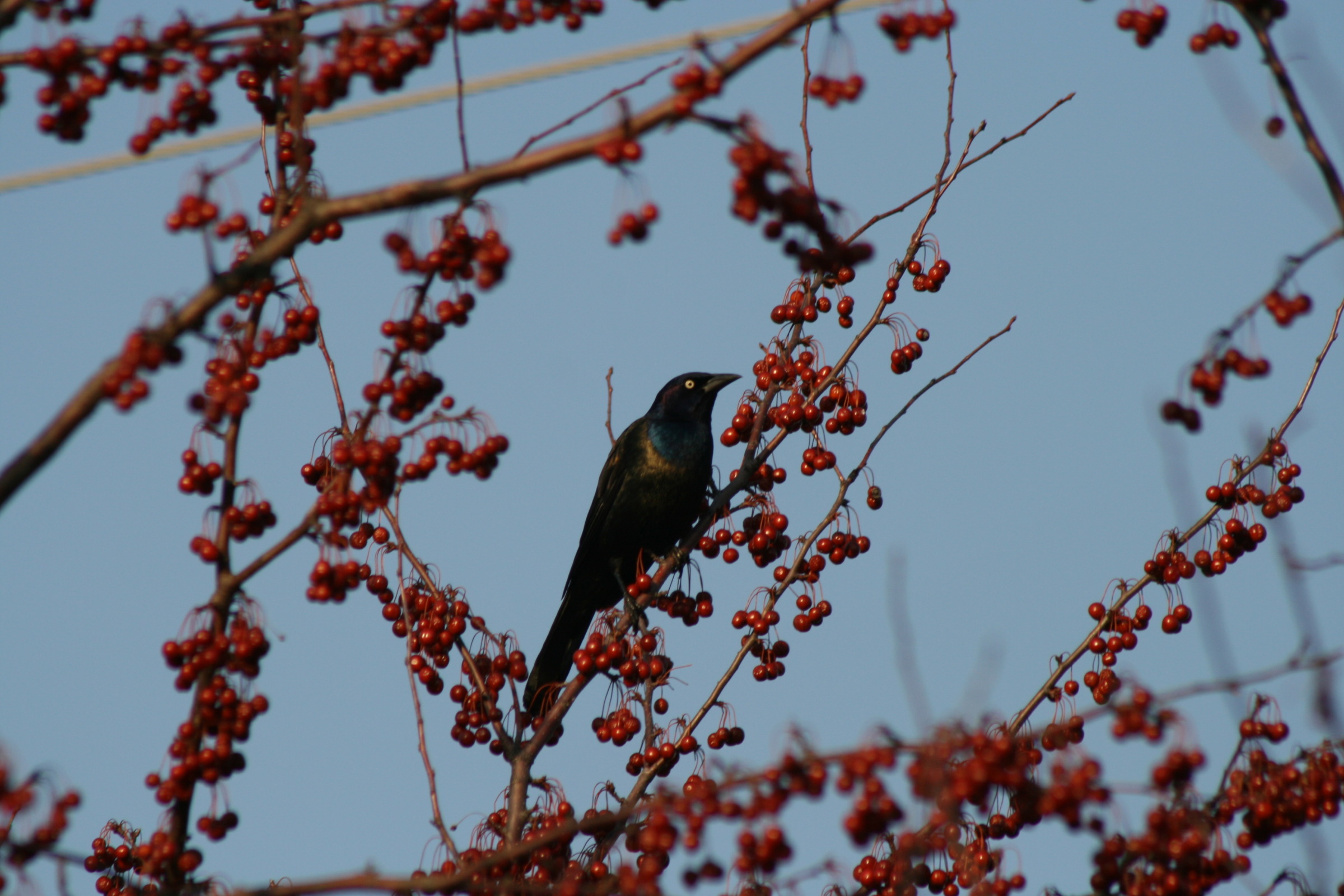
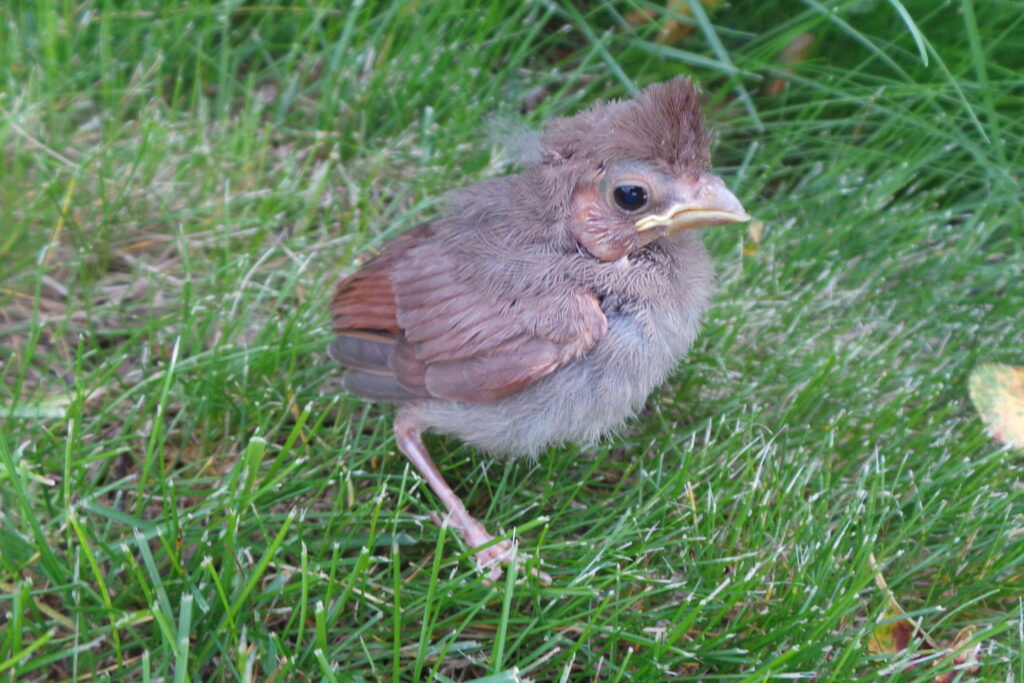
Birds play countless roles in healthy ecosystems and in helping humans—which is why preserving bird diversity helps everyone. These roles include ecosystem services such as seed dispersal, pest control and pollination. In addition, birds are entertaining to watch, connect us to nature, and seeing and hearing birds can boost our moods!
To help birds in your area, your garden spaces can provide what birds need: food, cover and nest sites.
Gardening Methods for a Bird-Friendly Yard
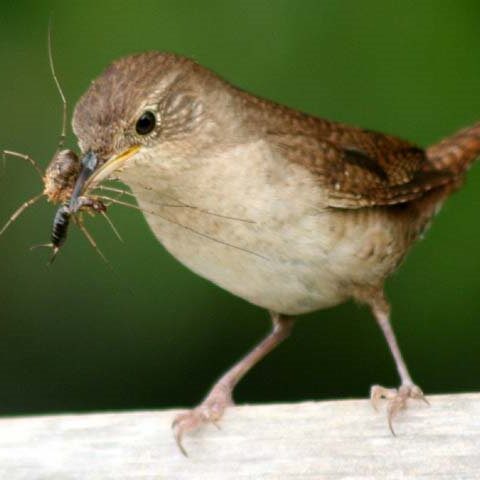
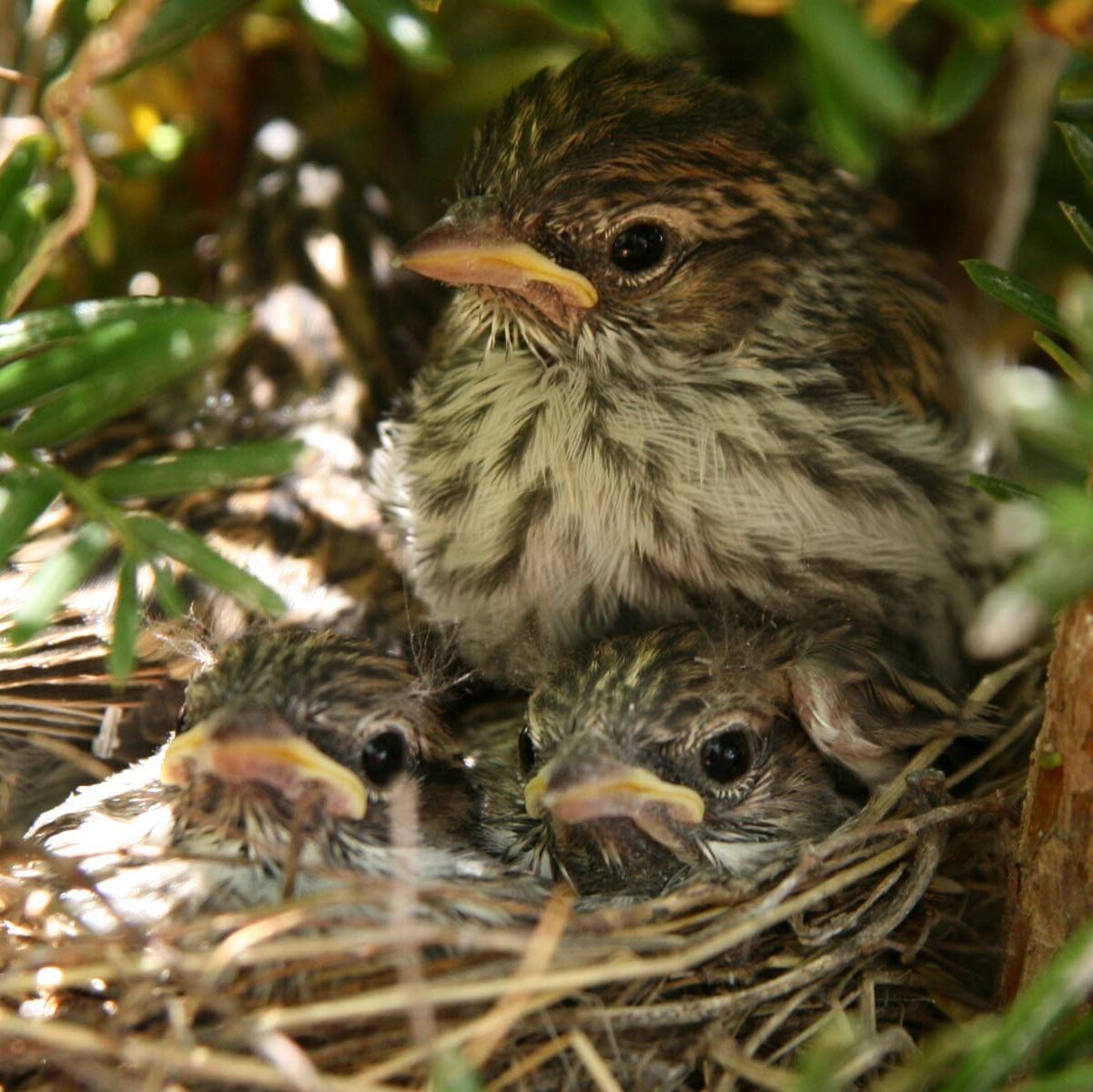
While many birds do include seeds and fruits in their diet, most birds in Wisconsin are not able to complete their life cycle on these alone. Insects, which are rich sources of protein and fats, are the main food source for birds, especially when they are rearing their young. 96% of birds depend entirely on insect protein to feed their young, especially caterpillars. Even the birds visiting your feeders and eating seeds, need insects to feed their young.
Here are some ways that you can support insects, and therefore birds, anywhere you garden:
- Research and plant plants that will grow well in the site that you have available.
- Incorporate native plants where possible and remove invasive species. Plant-eating insects are specialists that feed on only one or a few related plant species. Native plants are more likely to provide a mix of foods – just the right size, with just the right kind of nutrition and when the birds need them.
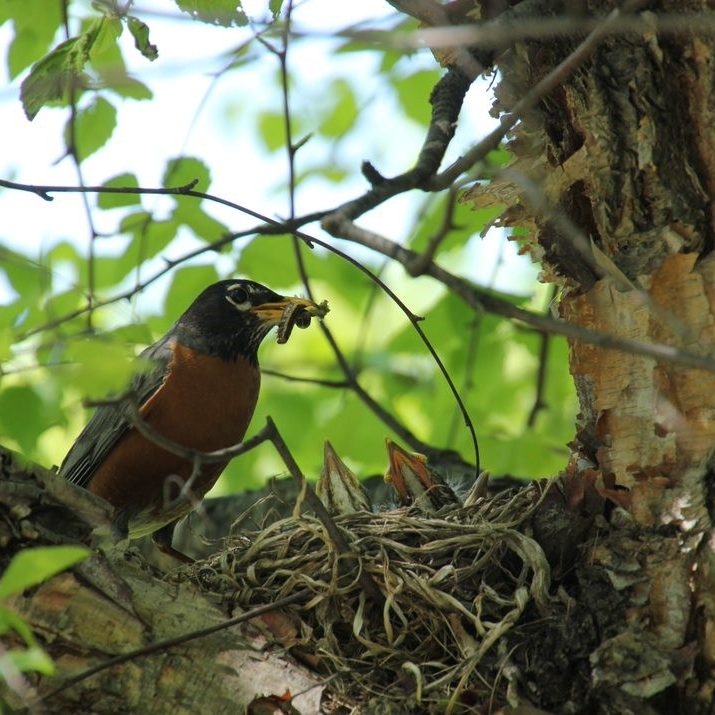
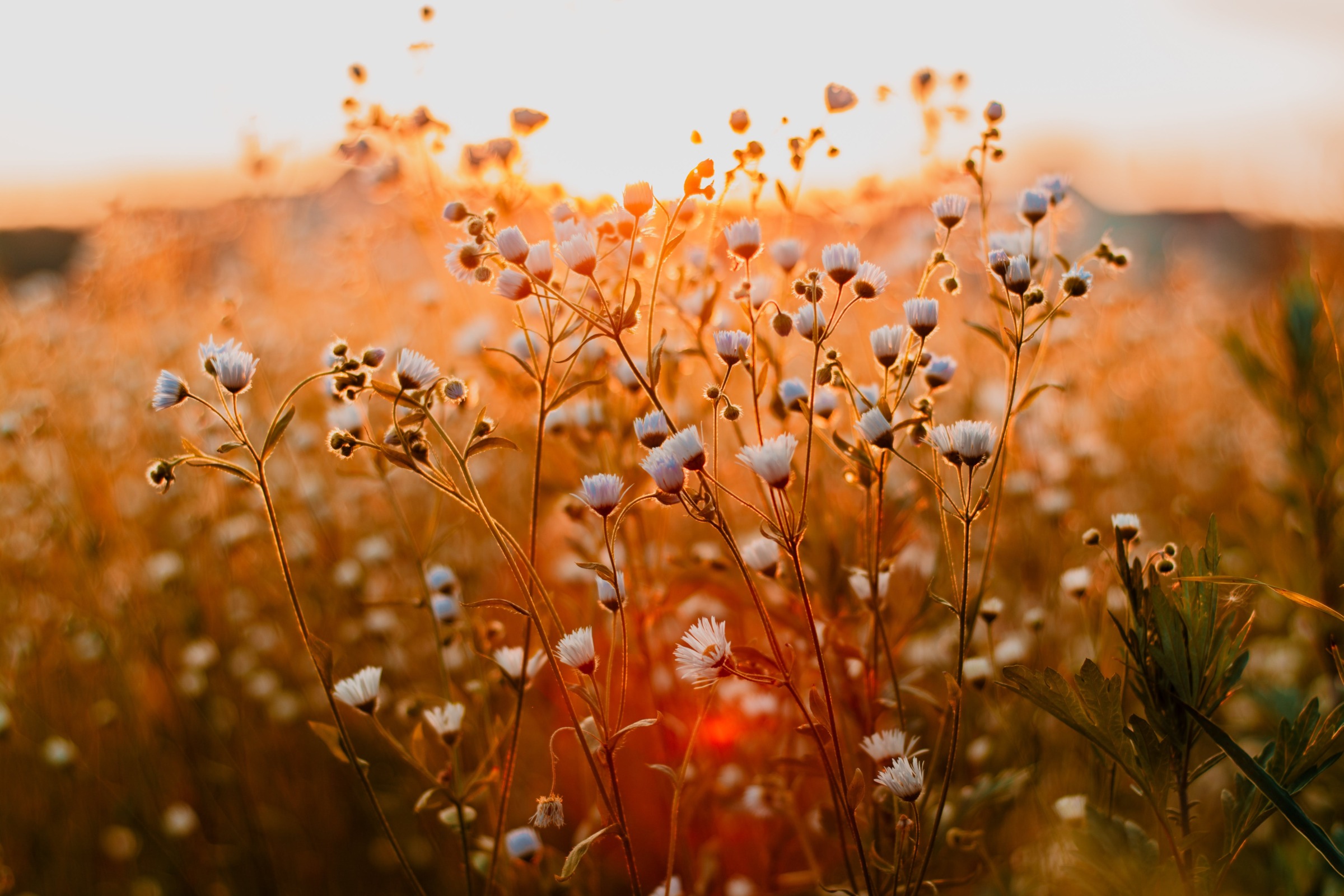
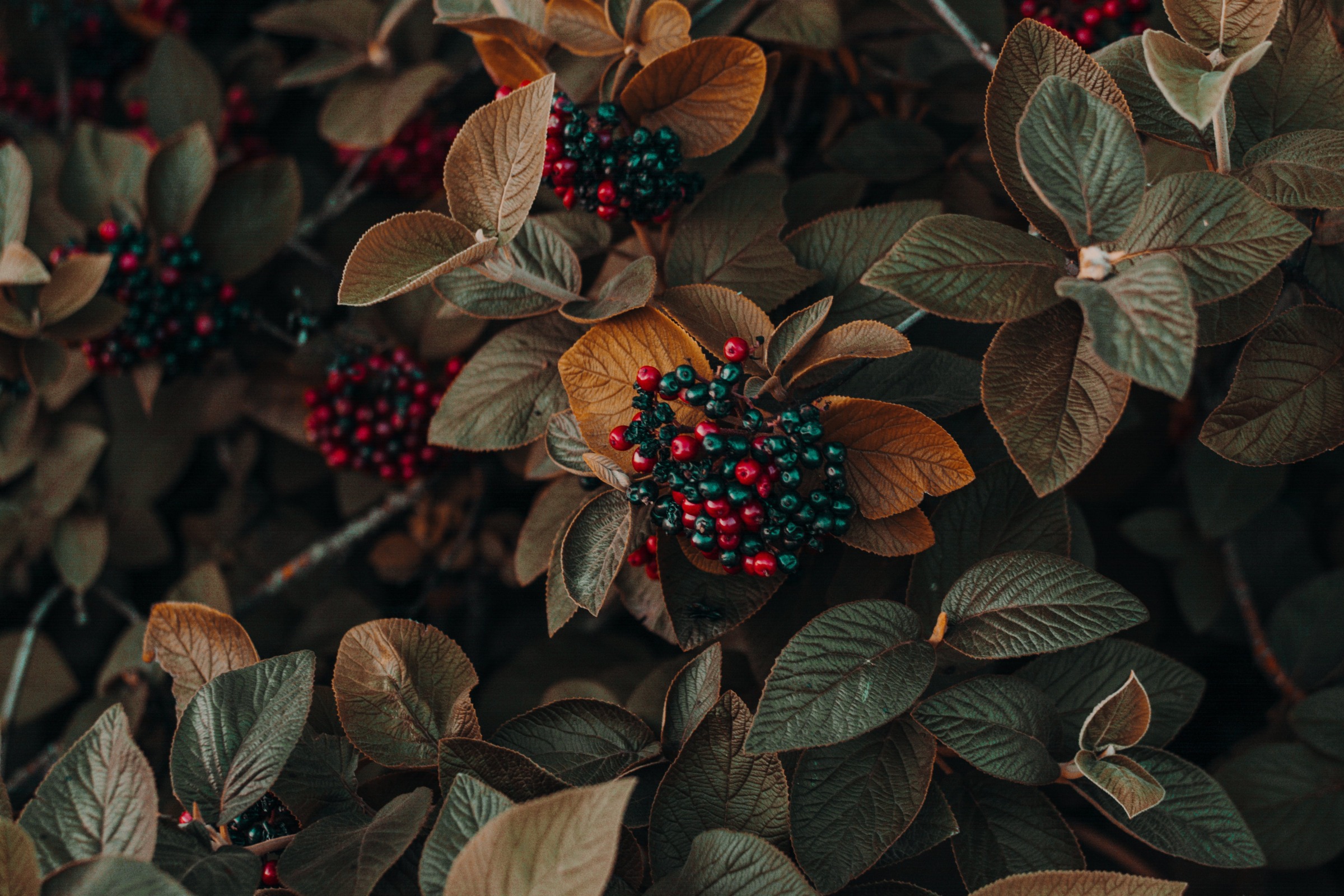
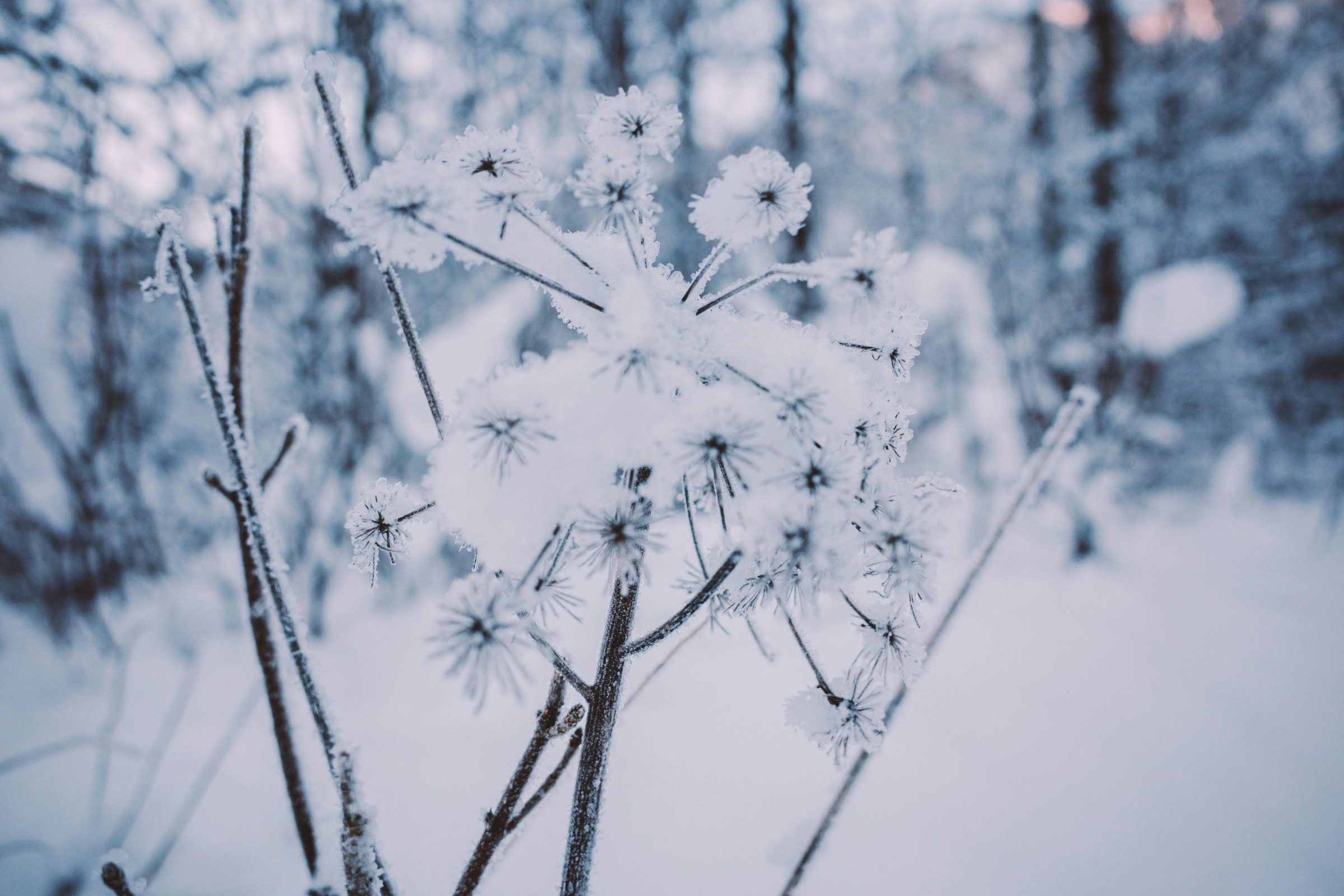
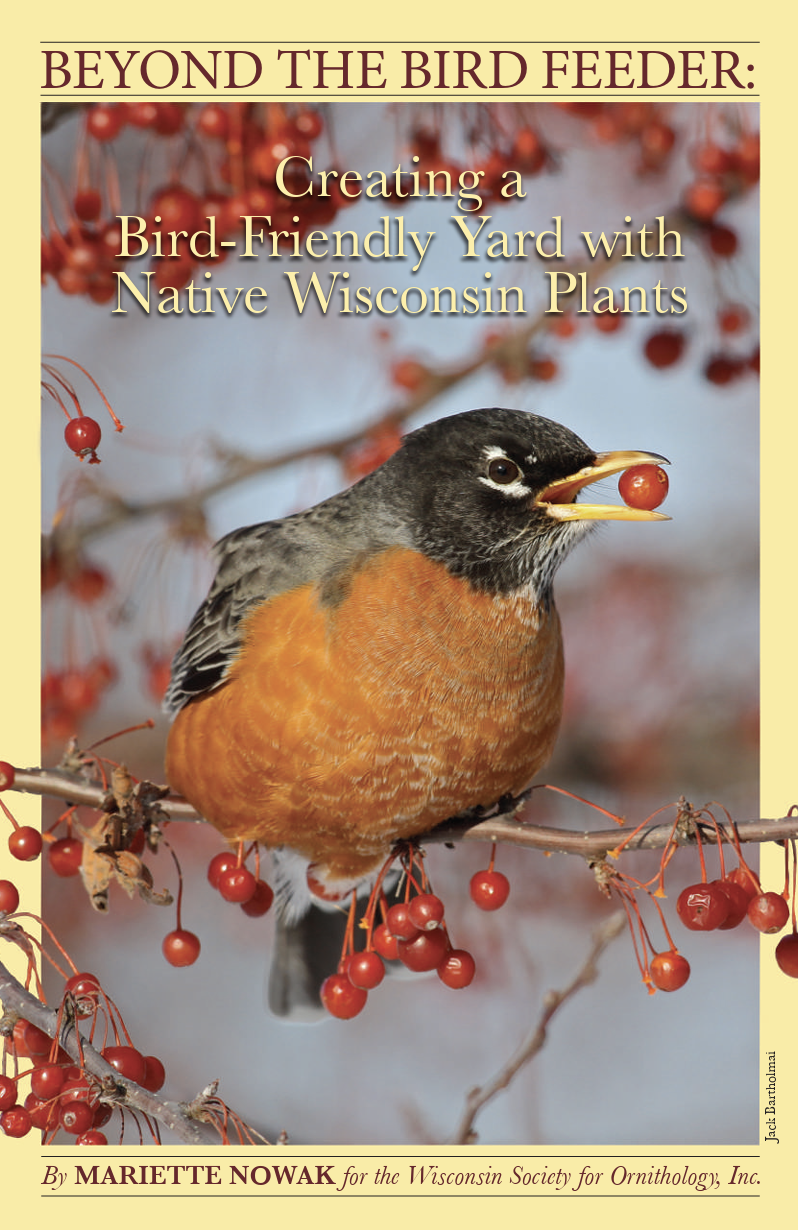
- Diverse resources can feed birds all year long. If you have the space, consider trees and shrubs that have berries that persist through winter. Additionally, birds can find hibernating insects in the bark of trees, in the seedheads of wildflowers left standing over winter and in brush piles and leaf litter.
- Reduce or eliminate the use of pesticides in your yard. If you do have a pest or plant problem, make sure to correctly identify the cause of the problem first and then explore all the options available. If chemicals are warranted, use them responsibly and follow the entire label.
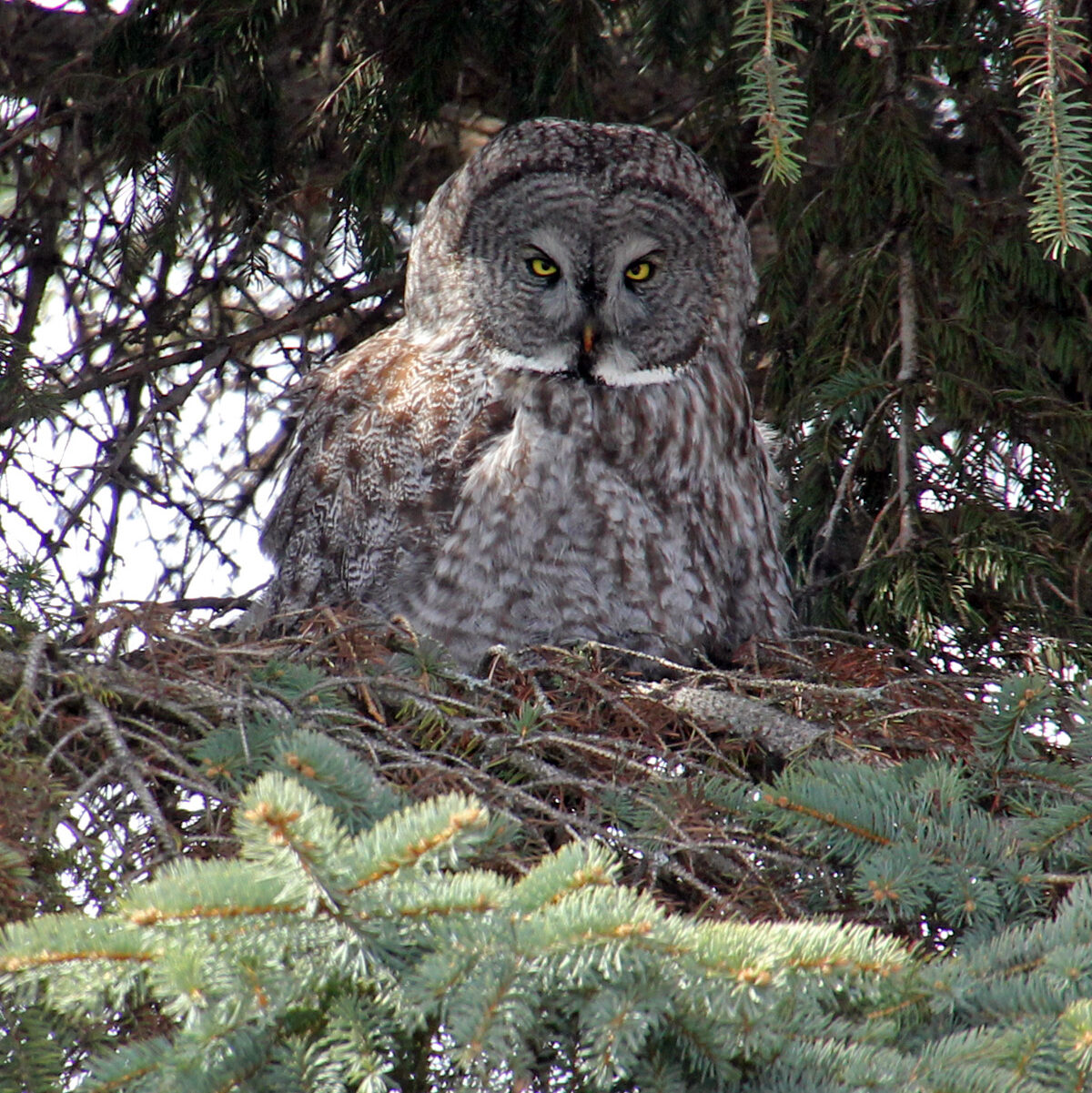
Birds also need cover or shelter to help them survive adverse weather conditions and escape from predators. It’s best to mimic nature. Sources of cover include conifer trees, dead stalks of grasses and wildflowers, brush piles, and tree cavities. These can also provide nesting sites in the spring.
Bird-Friendly Gardening Webinar
Get Involved
Local Organizations – look for your local chapters of birding and conservation organizations!
Additional Resources
Author: Julie Hill, Horticulture Educator, University of Wisconsin-Madison Extension, Rock, Walworth, and Jefferson Counties
Revised: 12/5/2023