

April is the first full month of spring, often bringing a return to activities in the yard and garden. However, as we all know, Wisconsin weather can vary from winter to spring daily, so always proceed with caution involving any yard and garden work this month!
Temperatures will dictate what can or cannot safely be done in April, along with the equally crucial factor of soil moisture conditions. In addition to thawing out, it is critical to wait until soil conditions are dry enough before doing any work involving soil in gardens. Working soils that are excessively wet can create season-long soil clod headaches.
April can be a suitable time for planting many trees and shrubs, assuming soil conditions are acceptable. Bare-root stock is often shipped in April or early May and is ideally planted before buds break dormancy. Garden centers and nurseries will also start having a variety of trees and shrubs for spring planting available, along with herbaceous perennials.
In addition, early vegetables may be planted in the next few weeks, depending on weather conditions across Wisconsin. Very hardy vegetable crops can withstand freezing and hard frosts, including asparagus, kale, kohlrabi, leaf lettuce, mustard, onion (sets or seed), peas, potato, rhubarb, rutabaga, spinach, and turnip.
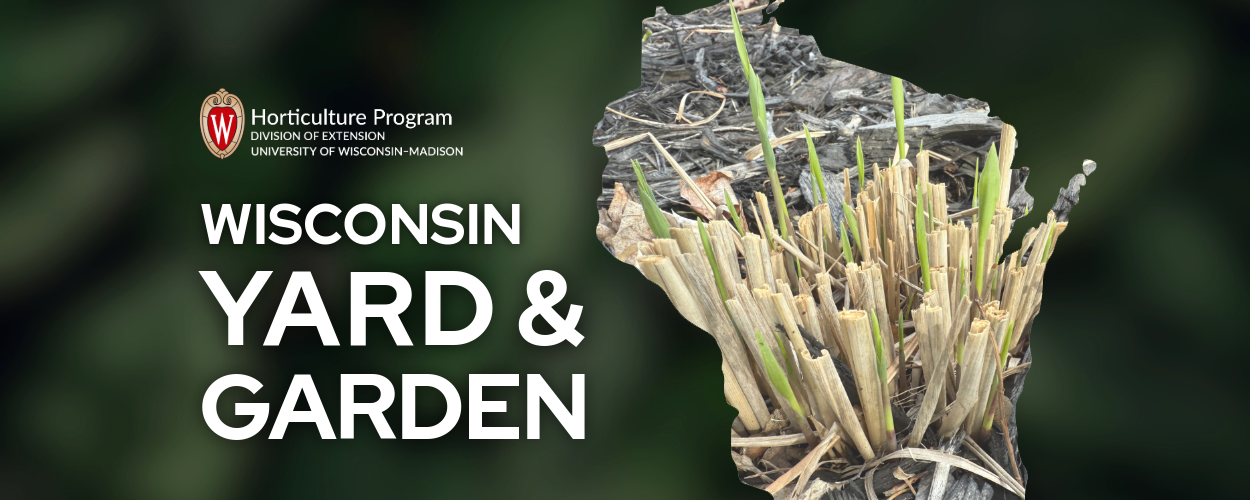
As new growth appears over the next few weeks, many perennials can be divided. Carefully dig up the clump, divide, and replant the sections of new plants created. How often division is necessary depends on the species, but one sign is thinning and poor growth in the center of the clump observed last season. Foliage on ornamental grasses should be cut down close to the ground now if you have not already done so. Be patient when waiting for new growth emerging, as many ornamental grasses, including natives, are warm-season species that take their time getting going.
There is still time for pruning many trees and shrubs. Apples and crabapples should be done as soon as possible. Wait until the flowers fade later this spring on spring blooming shrubs like forsythia and lilac. Now is ideal timing for major pruning on that overgrown yew that needs to be significantly reduced in size. Remember to cut back to green twigs or shoots.
Finally, even if soils are not ready (or it is snowing), take some time now for equipment and tool inventory and maintenance. Hopefully, power equipment such as lawnmowers and rototillers were winterized properly last fall! Check over shovels, rakes, hand pruners, and saws for wear and tear now. If in doubt, head to your local garden supply store for new ones. Gardeners can never have too many tools!

About the Author
Bruce Spangenberg is a Horticulture Outreach Specialist with UW-Madison Division of Extension. Get answers to your lawn, landscape and garden questions anytime at “Ask Your Gardening Question.”