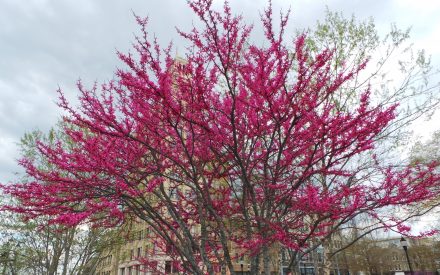
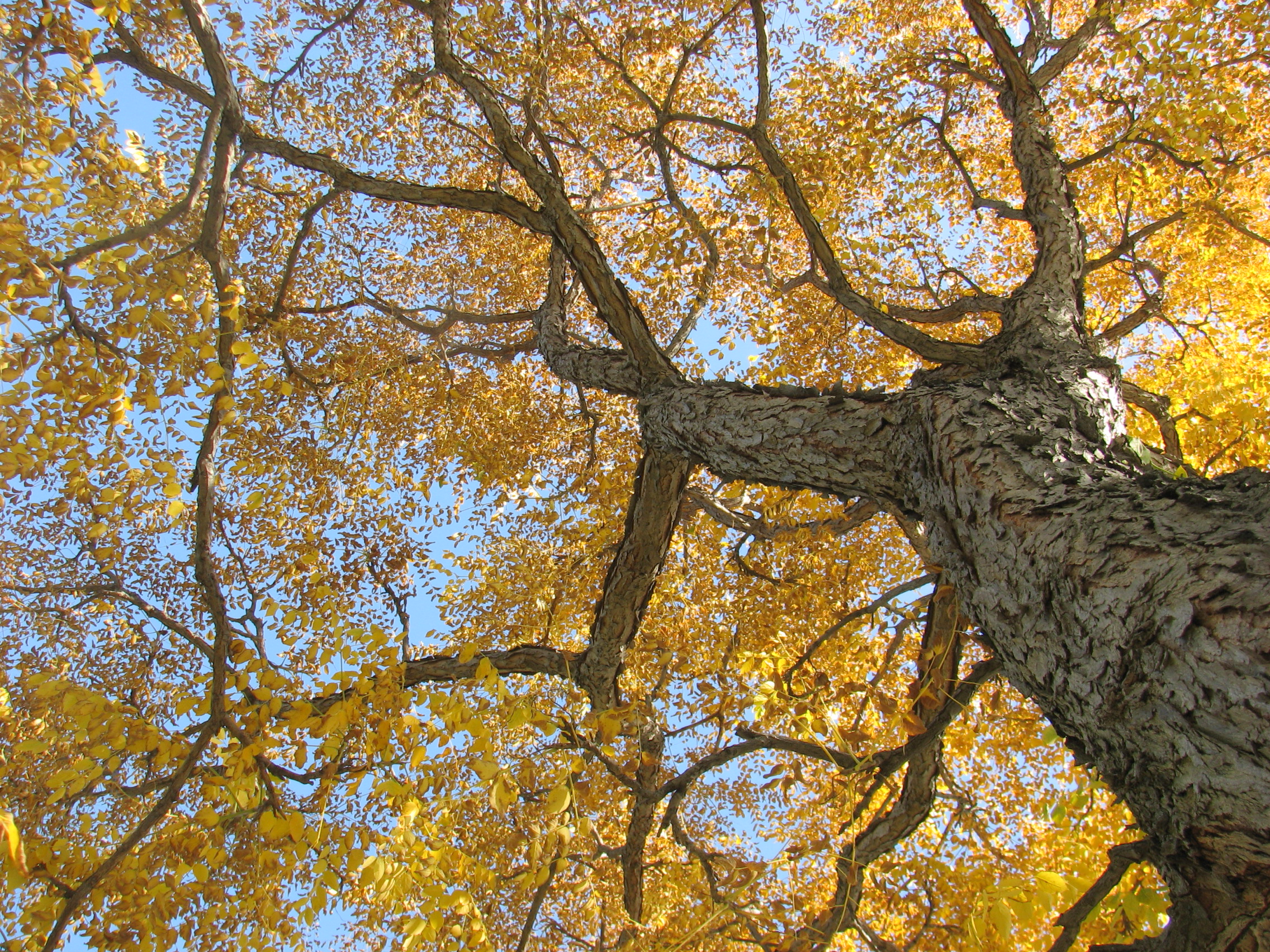
Trees are more than familiar features in landscapes and natural areas—they are powerful partners in the fight against climate change. As global temperatures rise and weather patterns become more unpredictable, forests and urban tree canopies play a vital role in buffering the impacts of a changing climate.
These ten facts highlight how trees mitigate the impacts of climate change and why investing in their planting, care, and preservation is more important than ever.
1
Through photosynthesis, trees absorb carbon dioxide, a prominent greenhouse gas, and store the carbon in their wood for centuries.
2
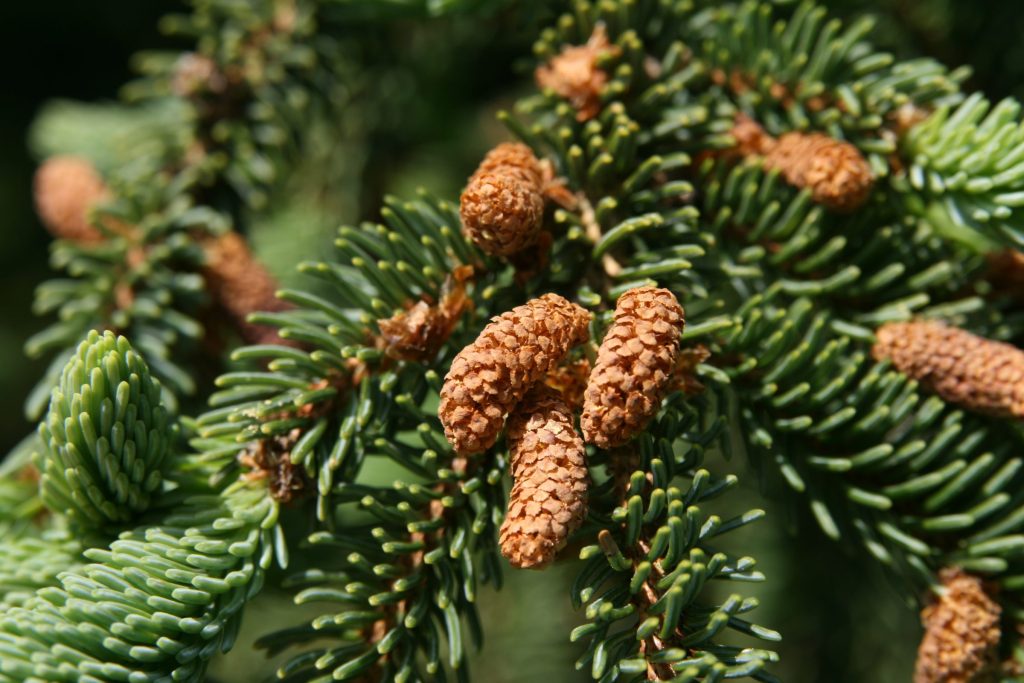
A mature, living tree can remove and store up to 48 pounds of carbon from the air per year and release oxygen in exchange.
(American Forests, 2015)
3
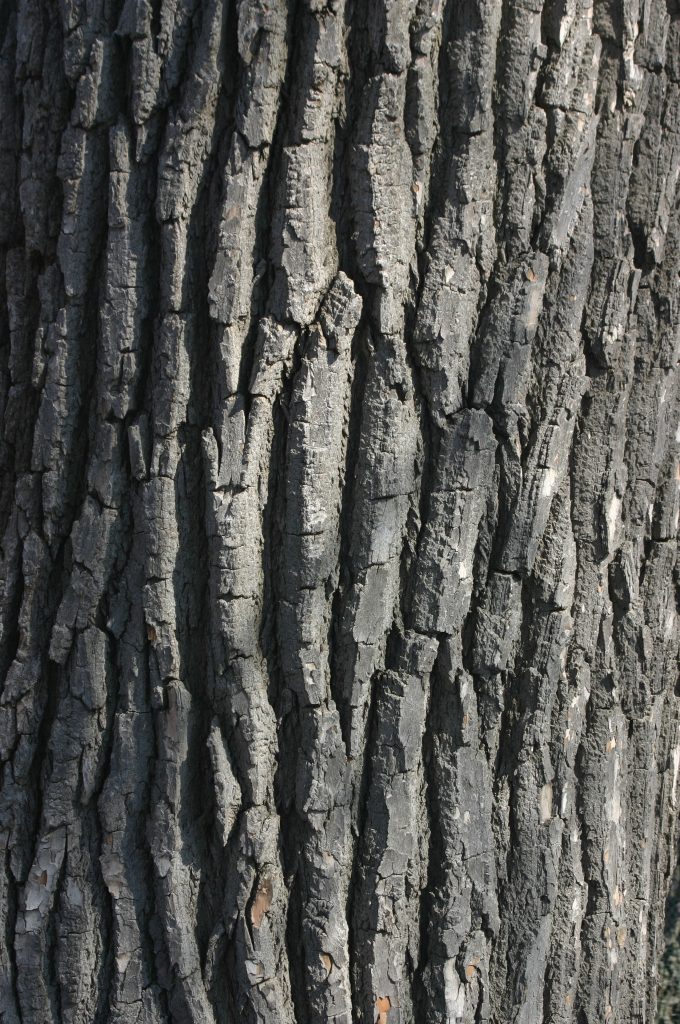
In one year, an acre of mature trees absorbs the same amount of carbon dioxide produced by a car driven 26,000 miles.
(Arbor Day Foundation)
4
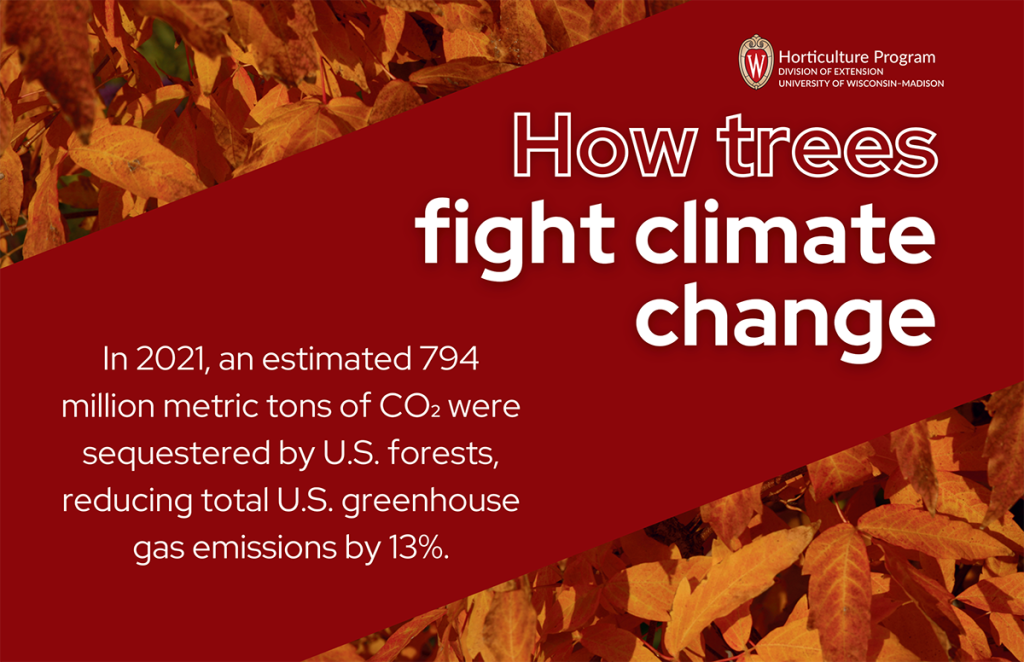
In 2021, an estimated 794 million metric tons of carbon dioxide were sequestered by U.S. forests, reducing total U.S. greenhouse gas emissions by 13%.
(US Forest Carbon Data, 2023)
5
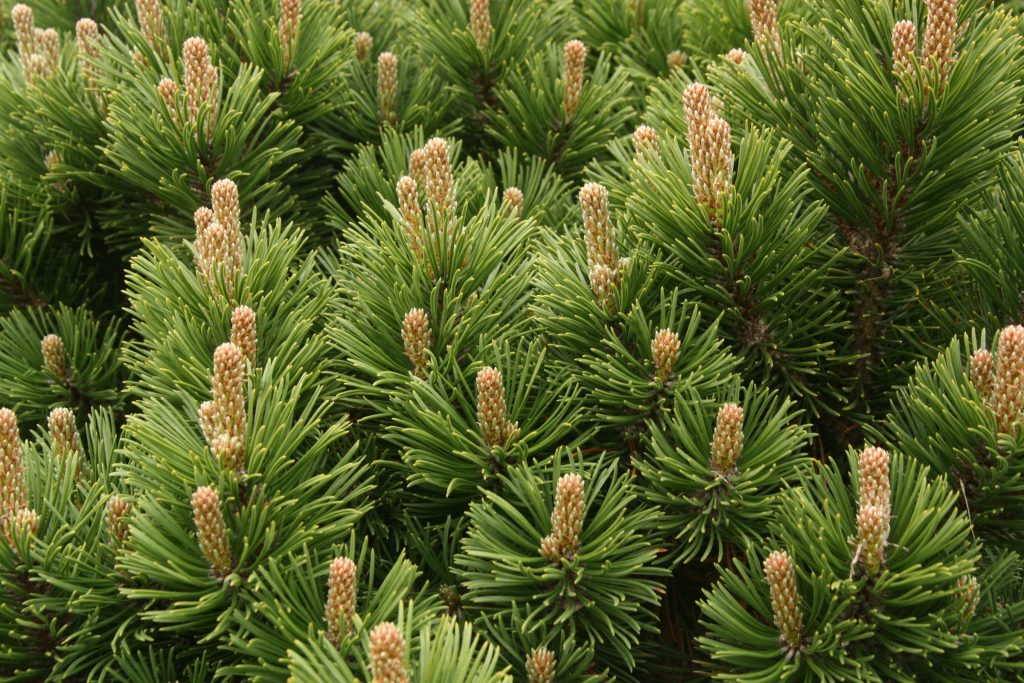
It takes an average of 30 trees to offset the annual oxygen use of one adult.
(Arboriculture & Urban Forestry 2007.33(3): 220-226)
6
In one year, a mature, living tree with a trunk diameter of 18-21 inches can produce 100 pounds of oxygen.
(Arboriculture & Urban Forestry 2007.33(3): 220-226)
7
Nearly 17.4 million tons of air pollutants* are removed by trees and forests in the U.S.
*Carbon dioxide, methane, nitrous oxide, fluorinated gases, and particulate matter
(Environmental Pollution, 2014)

8
Urban forests reduce the heat island effect in cities by an average of 2.8 °Fahrenheit.
(Environmental evidence, 2021-06, Vol. 10(1), P.1-38, Article 12)
9
A large street tree can reduce 1,684 gallons of stormwater runoff over a growing season with 42 storm events.
(Science of the total environment 806 (2022) 151296)
10
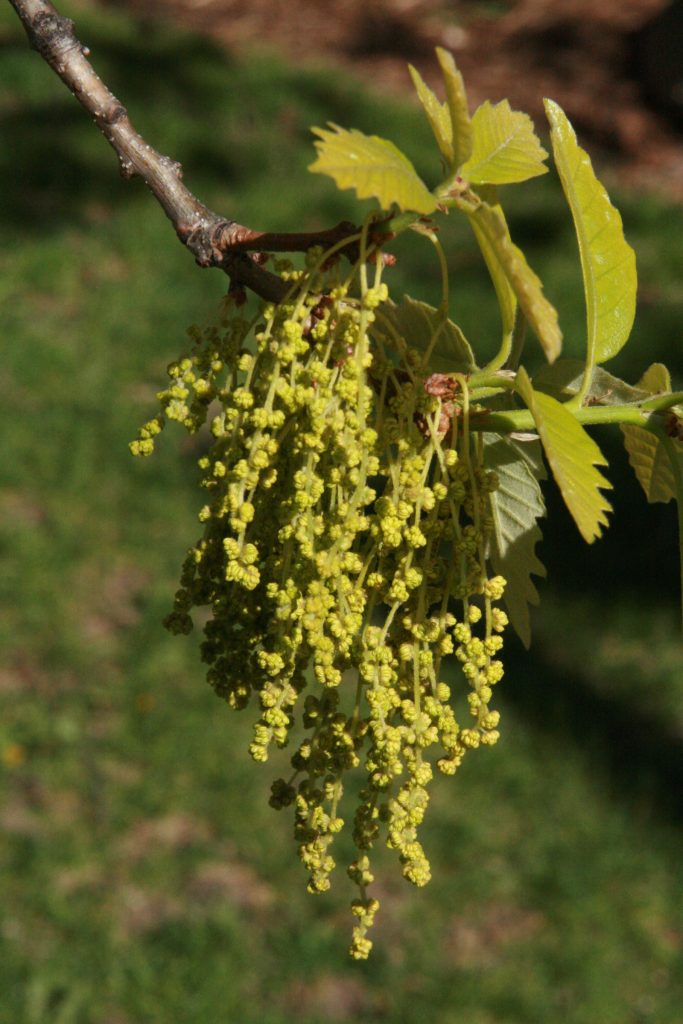
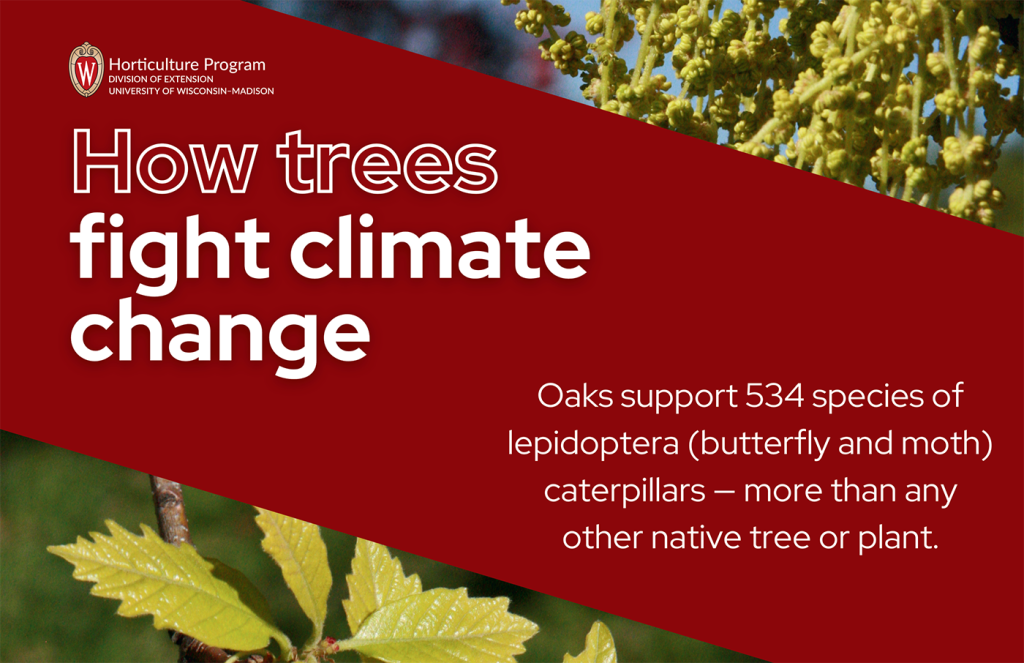
Oaks support 534 species of lepidoptera (butterfly and moth) caterpillars — more than any other native tree or plant.
(Doug Tallamy, author of Bringing Nature Home, Professor of Entomology, University of Delaware.)
How can you help?
Share these facts with others.
We’ve created a companion set of 18×24″ and 11×17″ posters that illustrate each of these ten facts. You can download the posters using the links below. These files were designed for print and are not digitally accessible, so we recommend using them only for printed educational materials. If you need alternative formats or have questions about using the posters, contact horticulture@extension.wisc.edu.
Author: Vijai Pandian, Horticulture Educator, Kenosha and Racine Counties, UW-Madison Extension
Reviewers: Lisa Johnson, Horticulture Educator, Dane County, UW-Madison Extension, and Lauren Mortensen, Horticulture Outreach Specialist, UW-Madison Extension
Published: February 2025