Looking to transform your garden into a thriving haven for bees, butterflies, hummingbirds, and beneficial insects? Learn how small, deliberate adjustments to your landscape can make a massive impact on local wildlife!
As Wisconsin experiences more extreme heat and drought, knowing how your plants are affected and what you can do in these situations will help you make decisions about your gardening.
When Wisconsin experiences extreme precipitation, it is important to know how your plants are affected and what you can do in these situations so you can make informed decisions in your garden.
Bareroot trees are dormant stock typically planted in early spring prior to bud break. This planting method promotes rapid establishment and offers several additional horticultural benefits.
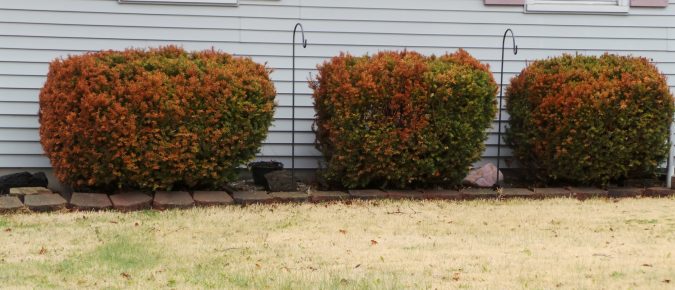
Winter burn refers to a type of damage to evergreen foliage that typically occurs over winter. Frequently affected plants include yews, junipers, boxwood, arborvitae, rhododendrons, dwarf Alberta spruce, and hemlock.
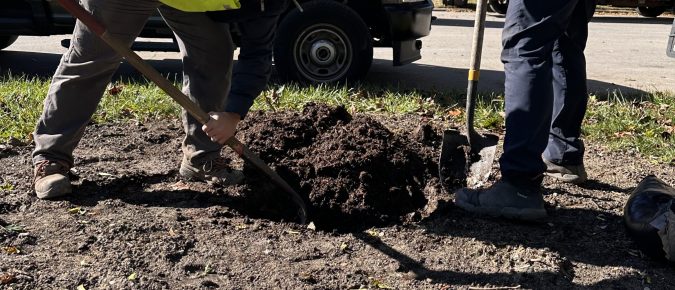
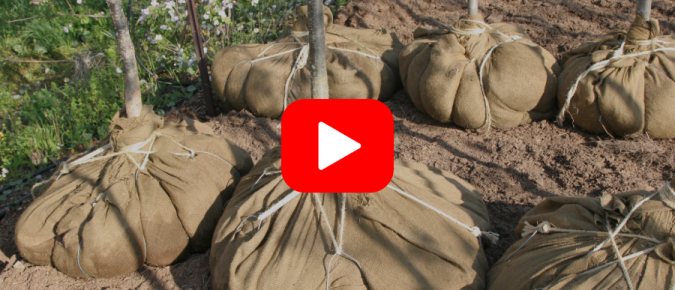
Fall is a great time to plant a tree! In this webinar, you will learn why this time of year is optimal and which species are best-suited for fall planting. You’ll also hear about important factors to consider when picking a tree species and nursery stock—and whether or not those “fall clearance sale” plants are a good buy!
Interested in planting a tree on your property? Take a look at this tree planting article to learn best practices.
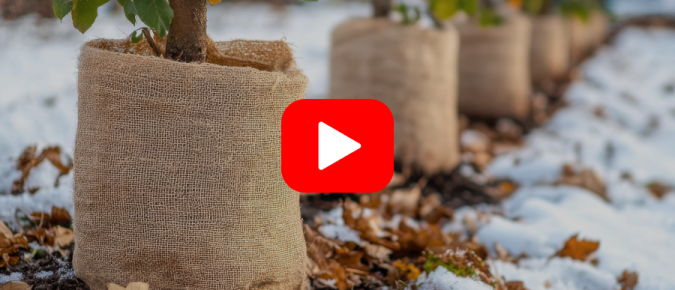
This webinar shares best practices on how to protect susceptible plants from snow and cold damage. It also covers proper mulching and watering techniques to help your plants through the fall and survive the winter.
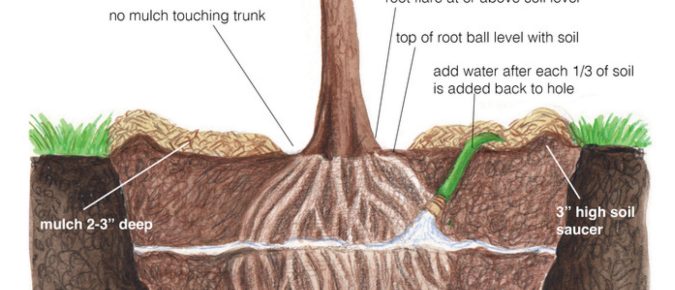
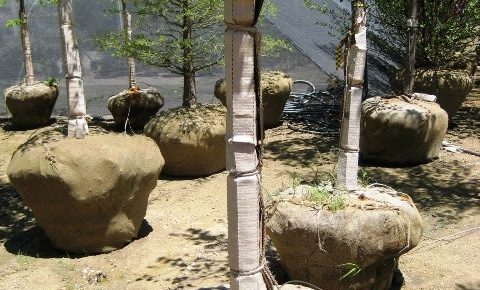
Proper planting techniques ensure long survival and good health of trees. This brochure shows how to correctly plant balled and burlapped trees and shrubs.
Pruning can help control the size of an evergreen, direct growth, or maintain plant health and appearance. Learn how to prune evergreens in this factsheet.
This article covers winter burn, a common problem of evergreens including those with broad leaves, needles and scale-like leaves grown in open, unprotected locations and exposed to severe winter conditions.
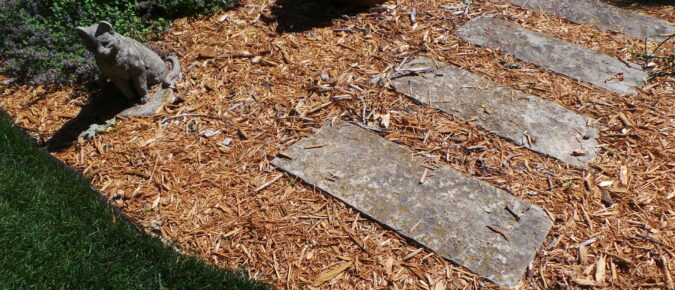
Wood mulch can contribute to tree and shrub health in many ways, but at times can be harmful. Learn more in this factsheet.