

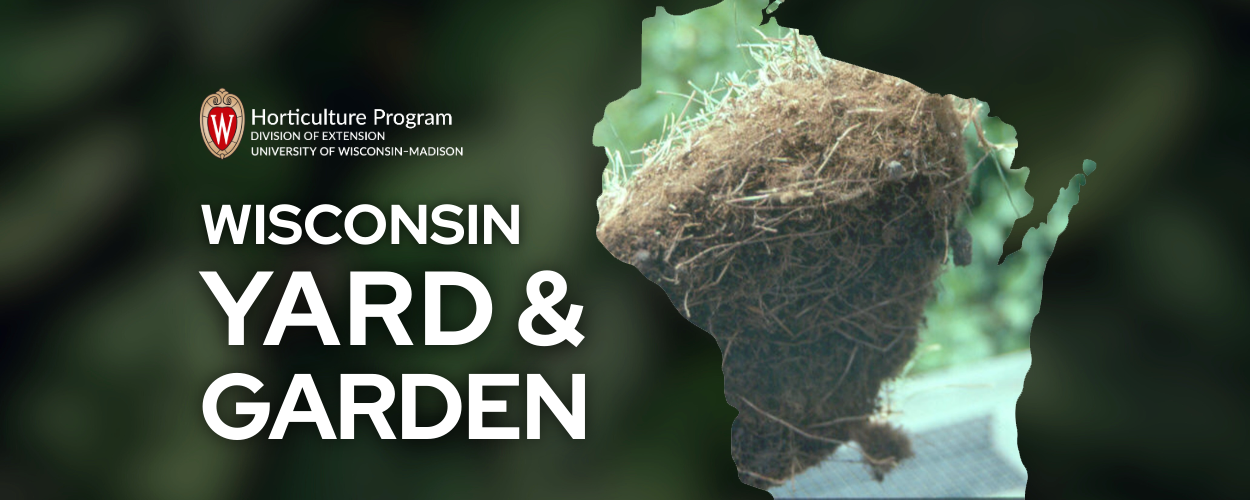
Thatch in lawns is often misunderstood, both its cause and management. Some lawns have chronic thatch problems while others never have any issues with it. Midwinter is a suitable time to review both thatch causes and management options, so necessary plans can be in place before the growing season resumes.
One misconception is defining what thatch is. Thatch is a dense layer of both living and dead organic matter that develops between grass plants and the soil. Rather than leaves (blades) of grass plants, stem and root tissue accumulate faster than they breakdown. Excessive thatch (over one-half inch thick) creates favorable conditions for pests and disease and stressful growing conditions for grass roots.
Despite widespread belief, clippings returned after mowing do not cause thatch. Clippings are extremely high in water and decompose rapidly, assuming lawns are mowed on a regular basis, removing no more than one-third of leaf blades per mowing. Lawn care practices can impact potential thatch problems, including excessive nitrogen fertilizer applications and overwatering. Fertilize in moderation and only water when conditions dictate a need.
Soil factors typically are the primary reason for thatch issues. Soil conditions that favor thatch and also deter microbes that degrade thatch include high clay content, excessive moisture, alkaline (high) pH, and compaction. All these soil issues frequently occur in residential areas, especially in southern Wisconsin. Sodded lawns with underlying soils that are high in clay, often inadequately prepared prior to establishment, is a common scenario.
As thatch levels accumulate beyond one-half inch thickness, lawn problems often begin and management is suggested. One popular method, but not necessarily the best, is using power equipment such as dethatchers or vertical mowers to physically tear out thatch. Mechanical dethatching is very destructive, and grasses rooted in thatch tear out easily. Overseeding is usually required afterwards. Ideally, dethatch in late August for optimum reseeding timing.
Unfortunately, thatch often returns shortly after dethatching, as unfavorable soil conditions were not corrected. Core aerification is considered a better recommendation, as it both helps degrade thatch and corrects soil conditions that favor thatch development. Core aerifying machines pull up small soil cores and drop them back on lawns, acting like beneficial topdressing. Holes created alleviate compaction, improve surface drainage, and increase soil oxygen for microbes and roots. Consider additional topdressing by adding a thin layer (one-eighth to one-quarter inch) of compatible soil over lawns.
Aerifying equipment may be rented or services are available for hire. Aerifying is an excellent lawn practice with many soil and rooting benefits, even if thatch is not currently a problem. Aerify in spring or fall, making sure adequate moisture exists in the soil.

About the Author
Bruce Spangenberg is a Horticulture Outreach Specialist with UW-Madison Division of Extension. Get answers to your lawn, landscape and garden questions anytime at “Ask Your Gardening Question.”