

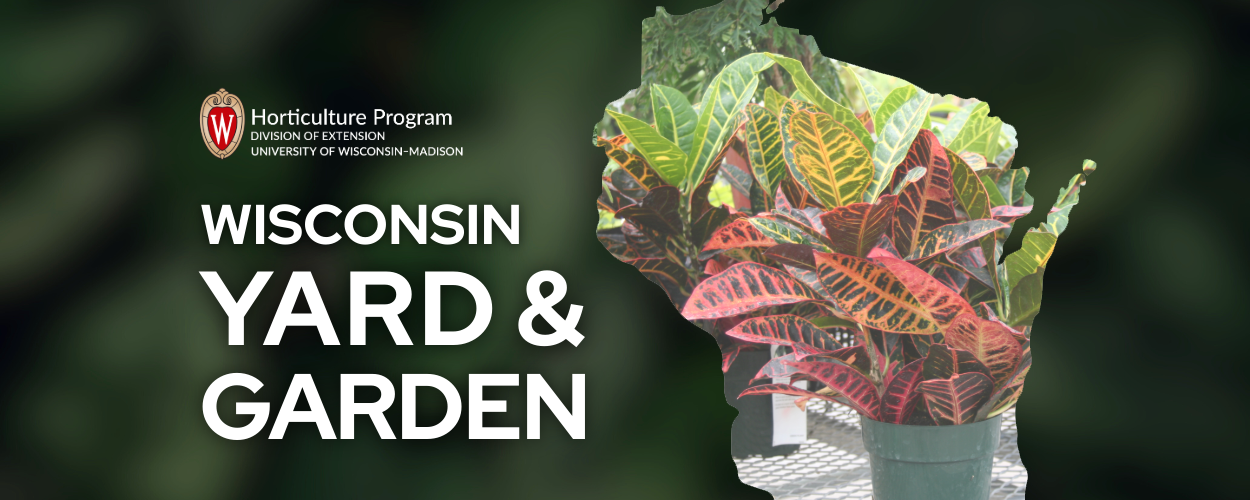
Healthy houseplants enhance our indoor environments, especially now in the middle of winter. One of the keys to success with both indoor and outdoor plants is providing good soil conditions for roots to flourish, which in turn translates to healthy plants.
Outdoors, ideal soils are a mix of mineral particle sizes known as sand, silt, and clay. In addition, a balance of pore (open) spaces and solid particles allows water to drain through soils, but some water is retained for plant uptake. Less than ideal soils often are amended, typically with organic materials, to improve conditions for favorable plant growth.
Indoor plants need these same soil characteristics, but field soils are not used in pots. Weight becomes an issue, plus field soils typically compact, thus drain poorly, and there is potential for disease and weed contamination. What are commonly called soilless mixes are used for indoor plants growing in containers. The major difference is these products do not contain the mineral component, or sand, silt and clay, found in field soils.
Instead, typical soilless potting mixes are composed of several types of organic material, combined with inorganic materials including perlite and vermiculite. Organic material allows water to be retained in the soil medium. Perlite (white cubelike appearance) helps ensure critical pore space exists, which allows roots to get oxygen. These potting mixes are lightweight in comparison to field soil and should be considered free of disease organisms and weed seeds. Nutrients can be added via houseplant fertilizers.
In addition to good potting mix, the container (or pot) characteristics are important for indoor potted plants. To ensure good drainage, containers should have holes in the bottom. Ideally water drains through the soil and out the holes each time plants are watered. Soil should then be allowed to dry somewhat prior to watering again. When containers have no drainage holes, it becomes guesswork on how much water to add. Too much, and roots suffer in waterlogged soil. Too little, the plants are drought stressed. Salts also commonly accumulate on the soil surface when water cannot drain through and out the bottom.
Indoor gardeners often face the issue of wanting to use decorative pots that match the décor of the room or space, but do not have drainage holes. The solution is to double pot, which means plants are rooted in soil in a liner pot with drainage holes, which is then placed inside decorative pots or containers that do not have any drainage holes. Carefully water so it drains through soils and out the liner. Check to see liners do not sit in accumulated standing water in decorative pots.

About the Author
Bruce Spangenberg is a Horticulture Outreach Specialist with UW-Madison Division of Extension. Get answers to your lawn, landscape and garden questions anytime at “Ask Your Gardening Question.”