

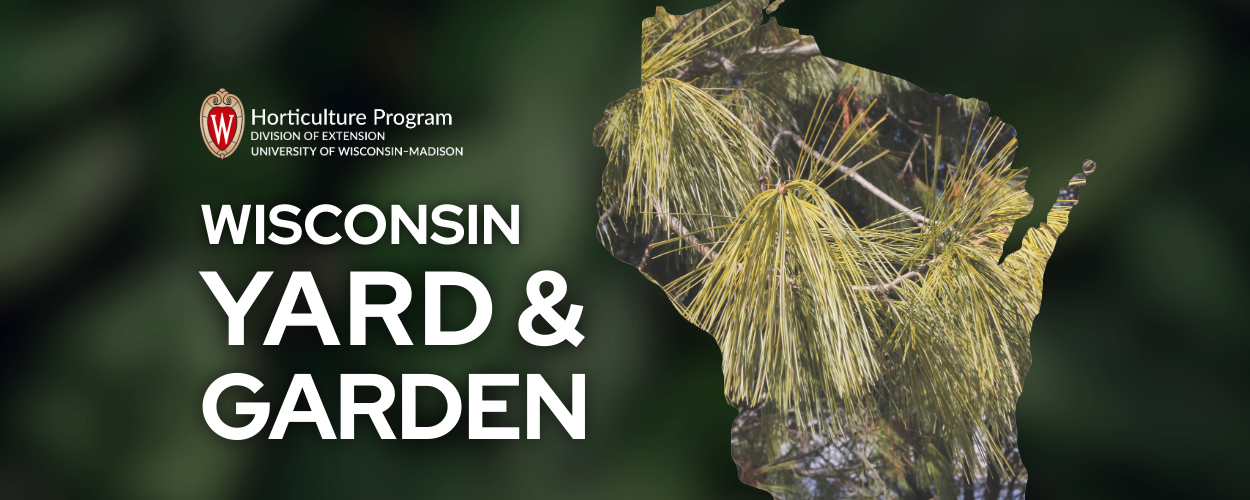
Using plant keys, or what are also commonly called dichotomous keys, is a useful way to identify plants. With the holidays upon us, if you have access to a live Christmas tree, you can get a taste of this process just using needles on tree branches to “key out” or identify the tree. Pines, fir, and spruce make up most cut Christmas tree species.
Start the identification process by looking closely at the needles. If the tree is a pine, needles appear in clusters or bundles; each usually numbering two, three, or five. Needles of each bundle fuse together at the base where they are attached to the twig. Scotch or Scots pine, the most common pine found on retail Christmas tree lots, have needles in bundles of two, and often look twisted. Red pine, less common as a cut tree, has much longer needles also in bundles of two.
White pine may also be used as Christmas trees. Long needles are in bundles of five and soft to touch. White pine branches, especially smaller trees cut for indoor use, typically do not support much weight for ornaments. White pine is native to Wisconsin.
If single needles are attached to twigs, rather than bundles or clusters noted above, the tree is either a fir or a spruce. Grab a needle and try to roll it between your thumb and forefinger while squeezing it. Flat needles are exceedingly difficult to roll. Firs have flat needles. Spruces, on the other hand, have angled or rounded needles that are much easier to roll. Firs are more commonly used as Christmas trees than spruces.
Balsam fir is the traditional holiday tree and the most popular fir. Needles are flat, quite short, and will be glossy on the upper side and lighter underneath. Needles are whorled around the twig, may appear as two sets of rows, and are very fragrant. The native range of balsam fir includes northern Wisconsin.
Fraser fir, native to the eastern United States, is another popular Christmas tree. Needles are flat, shiny dark green above and lighter below, and appear more crowded on twigs. Branches tend to be horizontally oriented and give a stiff appearance.
Spruces can be used as indoor Christmas trees and might be found on some retail lots. Spruce have rounded or angled needles. White spruce has noticeably short needles with an unpleasant odor when crushed. Colorado spruce has longer, very sharp needles making it difficult to decorate. Larger spruces, including Colorado, are often cut from landscapes and donated as city or community holiday trees for public display, such as in Milwaukee this year.

About the Author
Bruce Spangenberg is a Horticulture Outreach Specialist with UW-Madison Division of Extension. Get answers to your lawn, landscape and garden questions anytime at “Ask Your Gardening Question.”