

Now that winter has arrived, outdoor gardening activities are at a bare minimum for the next several months. However, houseplants can help brighten indoor environments and provide some indoor gardening activity. Selecting plants suitable for the indoor environment is the first key step in success with houseplants.
Light requirement usually tops the list of criteria when choosing houseplants. Houseplant lists are often organized by the amount of light needed; typically listed as high, medium, or low. Many, but not all, of the more durable and easier to grow houseplants have low or medium light requirements. Also consider needs such as humidity, watering, and enough space. Flowering plants are more demanding to grow indoors than foliage plants.
Do some background research on plants before deciding to purchase and bring home to assure they are good fits for the site to be placed. For low light conditions and little maintenance required, snake plant (Sansevieria trifasciata) is always at the top of suggested plant lists. These tall, slender leaved plants will tolerate adverse conditions, need infrequent watering, and seldom need repotting. Like many houseplants, overwatering is their main enemy.
Another extremely easy to grow and durable indoor plant is pothos (Epipremnum aureum), one of the most popular houseplants that survive a range of conditions. Filtered medium light is best. Pothos is a climber, so can be grown as a vine growing up diverse types of support or let it cascade down from hanging baskets. Selectively prune vines to control size and promote new, fresh leaf growth. New plants readily root and grow from cuttings. Cultivars vary in color and variegation patterns.
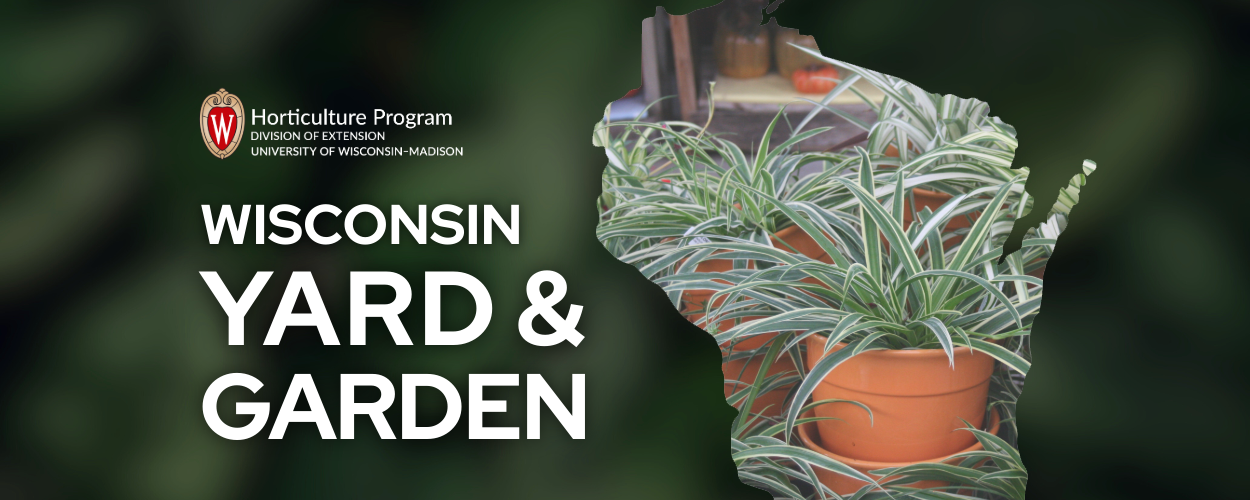
Spider plant (Chlorophytum comosum) is also extremely easy to grow and propagate additional plants. Grass-like leaves may be solid green or variegated with white or yellow. Spider plant prefers medium to bright light and does well in pots or hanging containers. Long, wiry stems will produce flowers and new plants, or “spiders,” that can be removed and planted to propagate more plants.
Jade plant (Crassula ovata) is a popular, easy to grow succulent that stores water in its leaves, stems, and roots. Jade plant needs more light than other easy to grow species, but are tolerant of neglect and like warm, dry conditions typical of many indoor settings. If light is too low, plants will be darker in color and stems may droop, but they will survive. Well drained soil mixes intended for succulents and cacti are best.
These are just a few of the better choices for interest and ease of growing indoors, especially for beginners. Take time this winter to explore the opportunities!

About the Author
Bruce Spangenberg is a Horticulture Outreach Specialist with UW-Madison Division of Extension. Get answers to your lawn, landscape and garden questions anytime at “Ask Your Gardening Question.”