In this webinar, you will learn about which plants can come indoors, the requirements for growing plants indoors after they have been outside all summer, and how to properly transition them to their new indoor home.
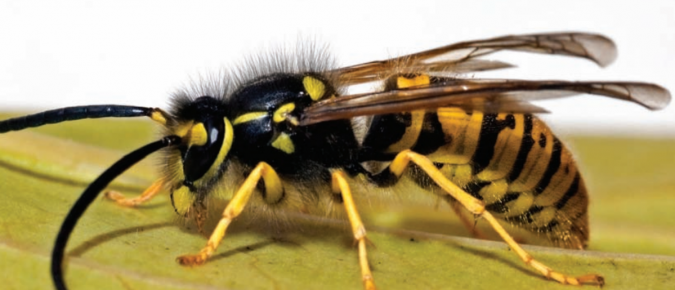
Scott R. Craven, Phillip J. Pellitteri, Mark J. Renz Revised: 1/15/2010 Item number: G3564 Wisconsin’s bountiful natural resources make it an ideal place for outdoor recreation. Most plants and creatures you encounter won’t hurt you, but timber rattlesnakes, yellow jackets, wild parsnip, and others can be troublesome. This guide will help you recognize, avoid, and […]
If deer visit your property, before planting (or replanting), check out this list of trees, shrubs, flowers, herbs, and grasses that deer tend to avoid.
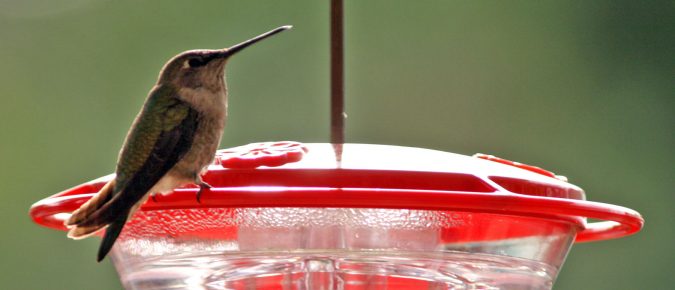
Hummingbirds are a large group of tiny birds with iridescent feathers, who feed on a nectar from a wide variety of plants. Learn more about these birds and how to encourage ruby-throated hummingbirds in your garden in this article…
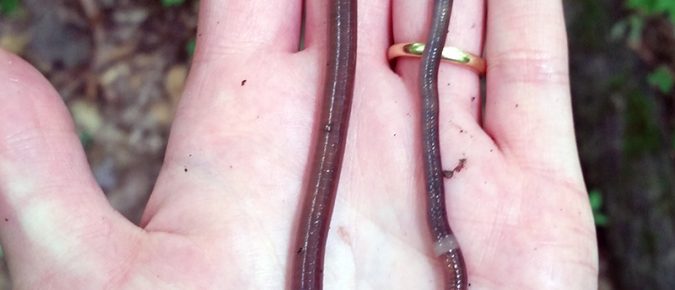
Jumping worms are non-native worms that damage the soil structure causing poor plant growth. Learn how to identify and deal with Jumping Worms in this article.
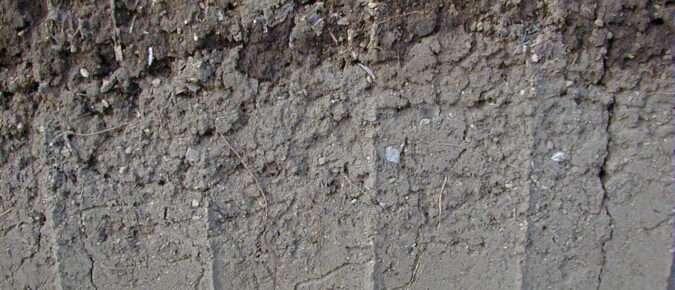
Save money and protect the environment by having your soil tested before applying lime and fertilizer. This concise publication tells you when and how to sample and where to send it for testing.
Interest in organic, sustainable gardening has grown to include lawn care practices, including use of organic fertilizers derived from natural sources. Learn how organic and conventional fertilizers differ here.
Learn how to calibrate your spreader to apply the right amount of lime or fertilizer to your lawn or garden.
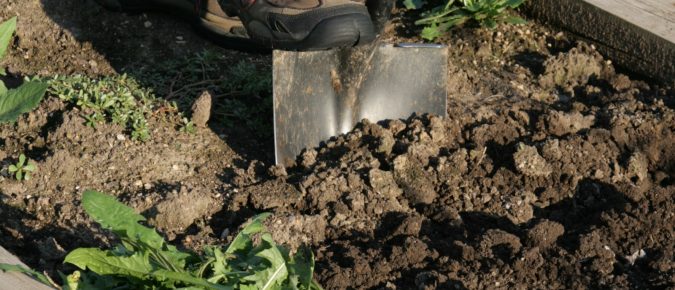
Starting a vegetable garden may seem overwhelming to a first-time gardener, but it can be quite easy. This article focuses on how gardeners can select and prepare their garden site to ensure success.
Want a bumper crop of berries this year? Learn to determine your soil amendments and fertilizer needs for raspberries, blueberries, grapes,currants and gooseberries in this publication.
Proper soil pH allows plants to efficiently take up nutrients. Learn how to reduce high soil pH in this factsheet.
Manure can be a valuable soil additive, but can also contain bacteria that can contaminate vegetables and cause human disease if not composted properly. Learn how to use manure safely here.