

With our growing season advancing to mid-summer, harvesting vegetable crops becomes a staple on the gardening agenda. Some crops ripen off the plant, but most do not. Knowing when to pick ensures quality produce, so timely monitoring is necessary for optimum results.
Tomatoes offer the most flexibility when making harvesting decisions. Progress on ripening is extremely easy to see as fruit color changes. Tomatoes will also ripen off the vine, brought more into focus when early fall frost threatens crops. Ripening fruit is driven by the hormone ethylene; produced and emitted by tomatoes. Contrary to what may be a family custom, tomatoes should not be placed on sunny windowsills to ripen. Instead, place them in a paper bag at room temperature and let ethylene do the rest.
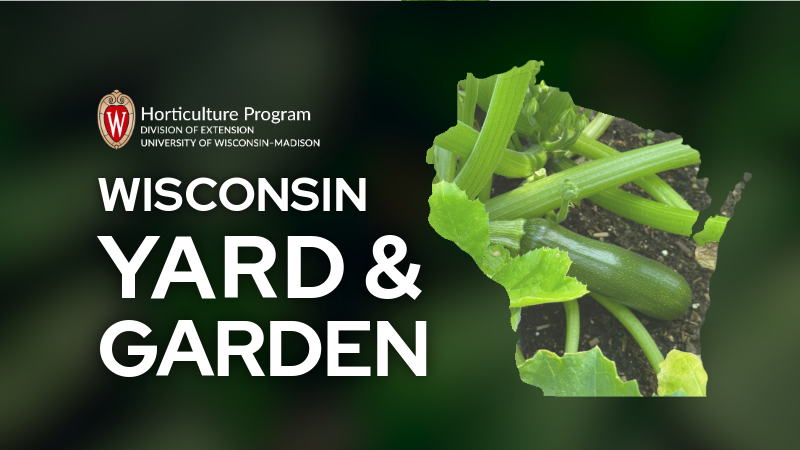
Many of the vine crops present challenges when deciding when to pick the fruit. Summer squash, most notably zucchini, are the easiest. Choose the size you want and pick it, but keep in mind the best quality is smaller fruit, not baseball bat size. Cucumbers are similar, but ideal harvest size will vary with the cultivar planted. Overripe fruit will lose flavor and quality quickly. Regular harvest of both crops keeps plants producing more flowers and hence more fruit all summer.
Melons present a bigger challenge when deciding on harvest. Cantaloupe (muskmelon) should easily slip off the vine at the point of attachment, so no matter how much you are looking forward to that first fruit, do not vigorously tug or cut it off too early. Watermelons present the ultimate challenge. Indicators of ripeness include yellowing or pale colored spot where the fruit sits on the ground, overall duller color and skin that resists thumbnail penetration, and the curly vine tendrils nearest the fruit withering and browning. Thumping, although popular, is not dependable.
Harvesting garden beans varies with the type involved. Snap beans are best when pods are firm, crisp, and fully elongated but seeds within pods have not significantly developed. Lima beans are best when seeds have fully developed and pods are plump and firm. Cultivars can vary so there is a little bit of trial and error when first growing them.
Carrots can also vary in ideal harvest time depending on the cultivar. Roots usually should be at least one-half inch in diameter. Make sure, if you have not already done so, to properly thin seeded rows promptly to give roots room to develop, as crowded rows will lead to disappointing inferior carrots at harvest time.
Personal experience over time makes the harvesting decision process much easier; and remember, harvesting is a great activity for involving kids in the garden!

About the Author
Bruce Spangenberg is a Horticulture Outreach Specialist with UW-Madison Division of Extension. Get answers to your lawn, landscape and garden questions anytime at “Ask Your Gardening Question.”