

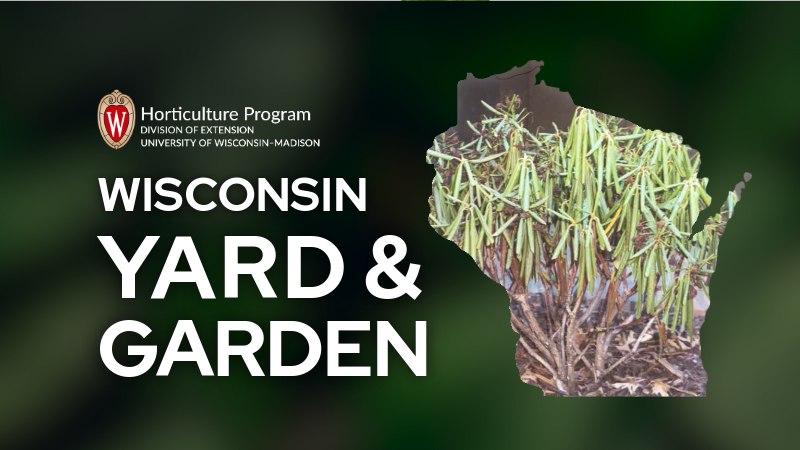
Now that summer is here, we assume wilting plants indicate a shortage of water and the remedy is to water the plant. This may or may not be the cause, as there are several reasons why plants wilt besides dry soil.
Normally plants readily take in water following the basic rule of water moving from higher concentration outside roots into lower levels inside the plant. Water then continues moving through roots to stems and into the leaves. Plants naturally lose water through their leaves, a vital process called transpiration, so water flow continues from the soil, bringing nutrients with it.
Transpiration rate is tied closely to environmental conditions around the plant. In daylight, openings in leaves called stomata allow water to exit. Low humidity, heat, and wind significantly speed up the process. As a result, plants may wilt or leaves droop on a hot windy summer afternoon but recover during calmer, cooler evenings. The soil may have adequate available water, but plants simply cannot keep up with the rapid transpiration under extreme conditions.
The other critical component of water movement in plants is xylem. This is a network of hollow connected cells extending from roots through stems into the leaves. Water travels from roots to the air surrounding plants (exiting the stomata) through this system. Anything impeding the process may lead to wilting.
For example, there is a group of fungal plant diseases called vascular wilts. These include fusarium wilt, verticillium wilt, oak wilt, and Dutch Elm Disease. All these diseases share a common trait of fungi developing and spreading through vascular systems of plants, including the xylem. In doing so, they clog up the hollow cells and water movement stops, thus the plant wilts and in many cases dies. Plants affected range from garden tomatoes to mature oak trees.
Physical injury or damage to this xylem system also causes plants to wilt as the result of reduced water flow. Examples include insect borers feeding under tree bark, grubs in the soil eating roots, rabbits gnawing on bark of shrubs or young trees, and careless trimming of grasses and weeds around tree trunks.
Plants wilt under drought stress, but can also wilt in wet soil, which seems illogical. Plenty of soil water is present, but at the expense of soil oxygen. Roots need both to survive, and in excessively wet soils roots decline. Without root uptake, the entire water flow process described above is not initiated, leading to wilting and plant decline.
Monitor wilting plants closely and consider all these factors as potential causes of wilting plants. Hopefully, it is just dry soil or windy hot days.

About the Author
Bruce Spangenberg is a Horticulture Outreach Specialist with UW-Madison Division of Extension. Get answers to your lawn, landscape and garden questions anytime at “Ask Your Gardening Question.”