

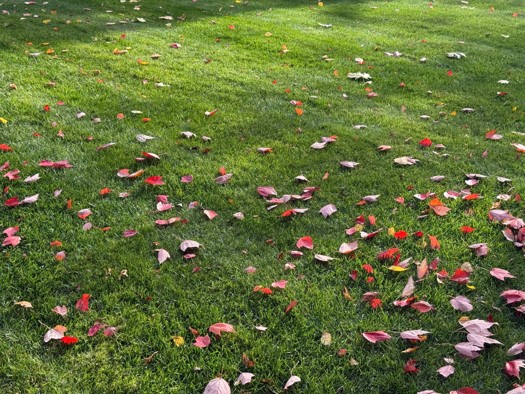
Labor Day is the optimum time for fertilizing lawns in Wisconsin. Regardless of the maintenance level program followed on a lawn, it will benefit from an early fall application of nitrogen.
Nitrogen is the primary nutrient lawn grasses need on an annual basis. Nitrogen not only contributes to green color but promotes grass plant development that helps maintain a thick stand of grass. Not only do thicker lawns look better and hold up to foot traffic, but they also resist encroachment of weeds. Thus, sound lawn care practices, including timely nitrogen fertilizing and proper mowing, can reduce the need to use herbicides.
When fertilizing lawns, there are three key decisions to make: when to apply, what kind of fertilizer to purchase, and how much is needed. Early September should always be included in the annual nitrogen fertilizer schedule for lawns. For minimal maintenance lawns this might be the only application made all year. Nitrogen applied in this period is used for key fall growth and development, including root systems.
Focus on the nitrogen content, specifically the type of nitrogen, when choosing fertilizers. Nitrogen fertilizer categories include fast (quick) and controlled (slow) release. This refers to the rate of conversion from nitrogen stored in fertilizer products to nitrogen available for plant uptake through roots. Providing a small amount of available nitrogen over an extended time is much better for lawns than having a large amount available in a brief time frame.
Controlled release nitrogen products are suggested for use on lawns. Product names may help, but the guaranteed analysis section found on the package indicates what kinds of nitrogen a product contains. Whether organic or synthetic fertilizer, the term water insoluble nitrogen refers to controlled release. This is often abbreviated WIN on labels, especially organic nitrogen fertilizers, including compost-based products and activated sewage sludge (Milorganite®). Specific controlled release nitrogen examples include sulfur or polymer coated urea, ureaform, and isobutylidene diurea (IBDU).
Individual fertilizer applications should supply about one pound of actual nitrogen per 1,000 square feet of lawn area. The higher the nitrogen percentage in the product, the less material it takes to supply this rate. Most lawn fertilizer manufacturers use this rate when indicating how many square feet packages cover. Adjust fertilizer spreader settings to ensure proper amounts are applied.
Finally, always use extreme care when fertilizing lawns so all fertilizer lands on the lawn. Avoid dropping fertilizer on impervious surfaces like driveways, sidewalks, and streets, as it may end up moving with surface water runoff into waterways. Directly applied to lawns at the proper rate, nitrogen will be used by the plant as intended.

About the Author
Bruce Spangenberg is a Horticulture Outreach Specialist with UW-Madison Division of Extension. Get answers to your lawn, landscape and garden questions anytime at “Ask Your Gardening Question.”