

Summer weather has arrived across Wisconsin, with the growing season now in full swing. New plantings of all types have been or are being made in yards and gardens. Early care is key to getting both seedlings and transplants off to good starts.
Annual flowers add splashes of season-long color to landscapes, whether in hanging baskets, containers, or flower beds. Typically, annuals are purchased as small plants to be transplanted and often have blooms already on them. To help get these plants off to a good start and develop sound root systems early, it is best to pinch off flower buds. Over the course of the season this leads to superior flower production with strong, well-developed plants to support them. Pinching back also helps create denser, bushier plants.
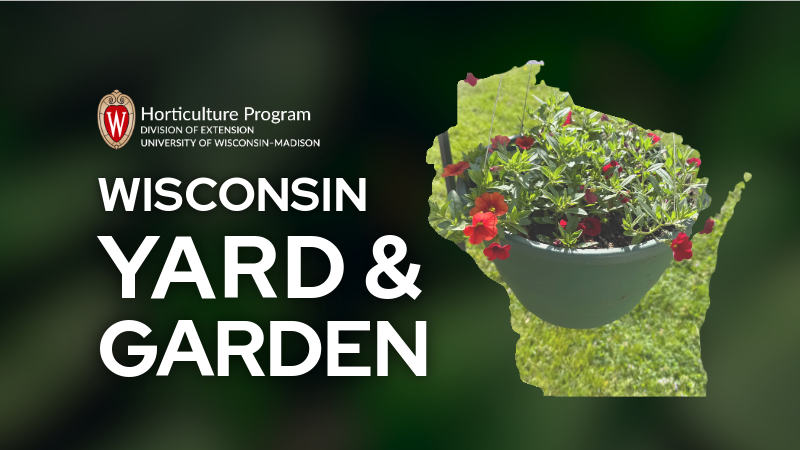
Many garden centers offer hanging baskets with well-established plants in full bloom. There is no need to pinch off flowers in this scenario, as annuals in these hanging baskets were planted weeks ago in greenhouses. Keep in mind these are older plants, however, that have been in that soil for an extended time and will need occasional fertilization throughout the season to keep them healthy and blooming. Also keep in mind hanging baskets need frequent watering as soils dry faster than traditional garden beds, so check them often.
Carrots, radishes, beets, and many other crops have been seeded in vegetable gardens. Water on a regular basis as conditions dictate for good germination and seedling development. One essential key to success is promptly thinning out seedlings to suggested spacing within the row per seed packet instructions. Even though gardeners hate to pull out healthy seedlings, crowded rows will hinder crop development and lead to inferior quality harvest results later. The sooner thinning is done, the better.
If tomatoes, peppers, eggplant, or any other vegetables planted as transplants have blooms or even small fruit already present, remove them. It is tempting to get that early garden tomato, but just like the situation with annual transplants mentioned above, early root growth is much more important than plants putting energy into producing flowers and fruit.
Finally, recently transplanted trees and shrubs need adequate soil moisture all season. Monitor them on a regular basis, especially the first full year after planting. The soil surface may look dry but always check soil moisture conditions below the surface before watering. Mulching the area over root zones helps conserve soil moisture all summer. Avoid fertilizing trees and shrubs the first year; simply focus on adequate moisture available in the soil. Promptly prune off any broken or dead twigs on recently planted shrubs or trees.

About the Author
Bruce Spangenberg is a Horticulture Outreach Specialist with UW-Madison Division of Extension. Get answers to your lawn, landscape and garden questions anytime at “Ask Your Gardening Question.”