

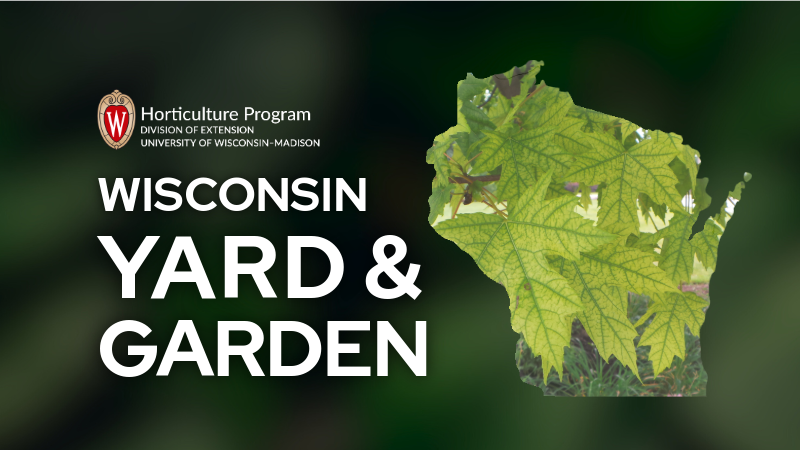
Yellow leaves appearing on green plants raise concerns for gardeners. It could just be a simple normal process, or it may signal a more complex problem needing to be addressed. Taking a closer look by analyzing the situation is suggested.
Green leaves contain chlorophyll and are going through the process of photosynthesis, producing energy that plants need to function and develop. Since all living cells require energy, plants will occasionally get rid of older, unproductive leaves in favor of new growth. This is often the case when houseplants drop a yellow leaf or two. Likewise, bedding plants set out in the garden this spring, such as tomatoes, frequently experience the same symptoms. Older leaves on plants started indoors typically turn yellow and drop off establishing plants as new growth develops.
When larger amounts of leaves turn yellow, especially including newer growth, other causes need to be investigated. Nitrogen is the primary nutrient involved with green color in plants, so a deficiency will show as pale green or yellowing of foliage. Adding nitrogen fertilizer often solves the problem, especially with hanging baskets or herbaceous plantings. Follow fertilizer label directions and apply the low end of suggested rates, as more can be added later, rather than risk overfertilizing.
Yellow leaves with green veins on trees and shrubs may involve a more difficult problem known as chlorosis. Iron and manganese are micronutrients which influence green color in leaves, and when the soil pH is out of balance, they become unavailable to the plant and leaves become yellow, or chlorotic. Soil pH induced chlorosis tends to be a chronic issue for trees and shrubs, with susceptibility varying among species. Pin oaks top the list of trees susceptible to chlorosis.
Soil test results will accurately determine exact soil pH values. Alkaline soils (above pH value of 7) can often lead to chlorosis problems. Soils can be amended to lower the pH with sulfur as a long-term solution, although this is difficult to do over entire root zones of established trees. Special fertilizers providing plant-available iron and manganese are also an option.
Adding to the complexity of solving yellowing foliage is when chlorosis symptoms are brought on by some other factor. For example, waterlogged soils may damage roots, which may lead to yellowing of foliage. Other root and stem issues interfering with water and nutrient uptake can create similar symptoms. These include soil compaction, drought stress, misuse of chemicals, wilt diseases, insect borers, and physical injury to tree roots or trunks, among others. Each requires careful inspection of the plant and analysis of all the site factors that may be involved.

About the Author
Bruce Spangenberg is a Horticulture Outreach Specialist with UW-Madison Division of Extension. Get answers to your lawn, landscape and garden questions anytime at “Ask Your Gardening Question.”